The global demand for Daily Disposables continues to rise, driven by convenience and hygiene. According to a recent market report, the disposable products market is expected to reach $329 billion by 2028. This growth indicates a critical need for cost-effective purchasing strategies.
For global buyers, understanding how to save money on Daily Disposables is essential. Many factors influence prices, including production costs and shipping fees. Moreover, buyers should consider wholesale options, as they often provide significant discounts. However, relying solely on cost-cutting may lead to compromises in quality.
Navigating the landscape of Daily Disposables isn't straightforward. The variety of products can overwhelm buyers. It’s important to balance cost with quality. Engaging with reputable suppliers can enhance the buying experience. Investing time in research can yield substantial savings and ensure reliable sourcing.
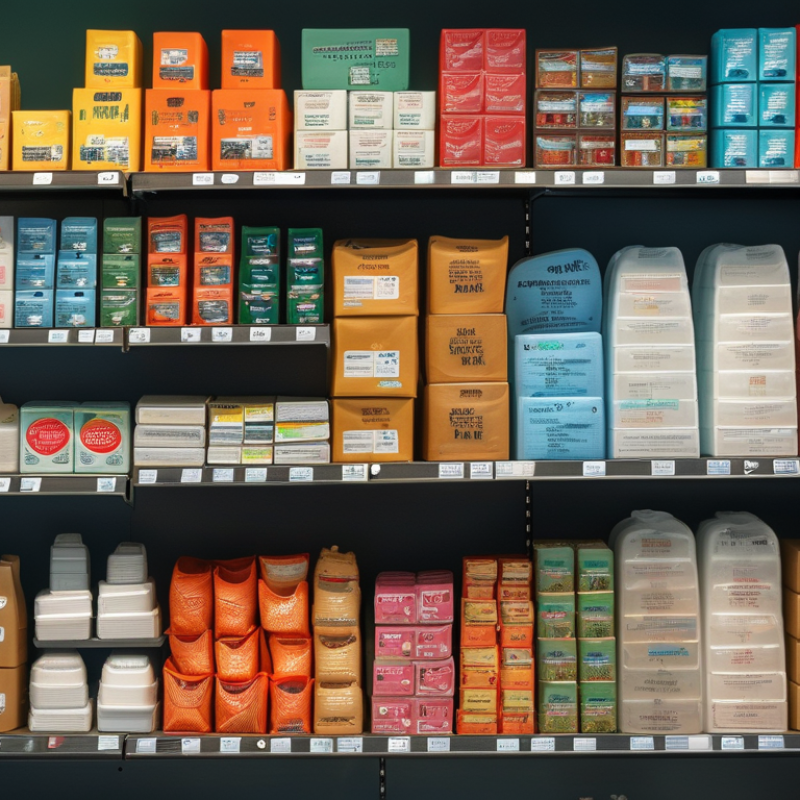
Daily disposables have become increasingly popular among consumers and businesses worldwide. Understanding these products is essential for buyers, particularly when it comes to cost efficiency. Data from industry reports indicate that global sales of daily disposables are projected to reach $8 billion by 2025. The growth suggests a rising dependence on these items, yet many consumers remain unaware of the significant costs involved.
One key consideration for buyers is the environmental impact. Daily disposables contribute to a large percentage of global waste. Reports suggest that about 300 million tons of plastic waste are generated annually, much of which is attributed to single-use products. This raises ethical questions about sustainability and urges buyers to consider eco-friendly alternatives. Understanding the lifecycle of these products can drive informed decisions.
Additionally, buyers should analyze the long-term financial implications. While daily disposables may seem convenient, they frequently become expensive over time. Research indicates that repeated purchases can lead to costs exceeding $1,000 annually for average consumers. Evaluating bulk purchase options or considering reusable alternatives could alleviate this burden. Reflecting on these factors is crucial for making practical and socially responsible choices.
In today's market, selecting daily disposables can be challenging. Identifying cost-effective brands requires careful research. Focus on understanding product materials and durability. Look for items that not only fit your budget but also meet quality standards.
One tip is to compare unit prices. Sometimes, bulk purchases can save more. However, do we really need such quantities? Evaluate your needs before committing. Consider the environmental impact of disposables as well. Certain brands use eco-friendly materials, which may save costs in the long term.
Another suggestion is to check for certifications. Products that meet safety standards offer peace of mind. But remember, not all labels guarantee quality. Sometimes, less-known brands deliver better performance. Rely on customer reviews to gauge reliability, but remain cautious of overly positive feedback.
Negotiating prices for bulk purchases of daily disposables can significantly reduce costs. It's essential to do your homework before initiating any discussion. Research market prices and trends. Understanding the average prices helps in asserting a strong negotiating position. This groundwork builds confidence and reflects expertise.
When approaching suppliers, always ask for detailed pricing. Breakdown costs, including any hidden fees. Inquire about discounts based on order volume. Sometimes, suppliers are willing to offer additional perks, like extended payment terms or free shipping. Effective communication is key. Don't hesitate to highlight your long-term purchasing potential. This could prompt better offers and create a solid business relationship.
It’s important to remember that negotiation is not a one-time event. Building rapport with suppliers may lead to better deals in the long run. However, be aware of not over-relying on a single supplier. Diversifying your sources could offer more leverage. Each interaction should be a learning experience, refining your negotiation tactics for future opportunities.
To maximize savings on daily disposable items, buyers should focus on promotions. Many retailers offer frequent discounts, especially on popular products. Signing up for newsletters can help keep you in the loop. These newsletters often contain exclusive offers not available elsewhere. Tracking seasonal sales is another effective strategy. Holidays and back-to-school seasons frequently feature substantial markdowns.
Participation in loyalty programs is beneficial. These programs reward frequent purchases with points or discounts. Some stores provide bonus points during specific promotions. It’s smart to combine promotional offers with these loyalty rewards to enhance savings. Be mindful and read the fine print on deals. Sometimes, the perception of savings may not align with the actual value received.
Consider bulk purchasing when you find items on sale. While the upfront cost may be higher, this strategy often leads to savings in the long run. However, assess your actual needs carefully to avoid waste. Overstocked items can lead to regret and financial loss. Always question if a deal is worth it or just a tempting offer.
| Item Type | Typical Price ($) | Discount Rate (%) | Price After Discount ($) | Best Time to Buy |
|---|---|---|---|---|
| Daily Contact Lenses | 30.00 | 15 | 25.50 | January Sales |
| Disposable Face Masks | 20.00 | 25 | 15.00 | Health Awareness Month |
| Disposable Gloves | 15.00 | 20 | 12.00 | Summer Clearance |
| Paper Plates | 10.00 | 30 | 7.00 | Holiday Sales |
| Disposable Cutlery | 12.00 | 20 | 9.60 | Back to School |
Sustainability in daily disposables is gaining attention. A recent report by McKinsey states that over 300 million tons of plastic are produced annually, contributing significantly to environmental issues. This highlights the need for buyers to consider sustainable options. Eco-friendly products often utilize innovative materials that reduce waste and pollution.
Buyers can balance cost with environmental impact. The price of biodegradable disposables has decreased by 20% in recent years, presenting an attractive option without sacrificing quality. However, the upfront investment might still be higher than traditional options. This requires careful analysis of long-term benefits versus immediate costs. In some cases, eco-friendly choices lead to lower disposal fees, making them financially appealing.
There is room for improvement. Consumers may be hesitant to switch to sustainable products due to price or availability. On the other hand, a 2021 Deloitte survey showed that 60% of consumers are willing to pay more for eco-friendly alternatives. This indicates a market shift towards sustainability. Buyers must evaluate how their choices impact the planet and their budgets. The journey toward sustainable disposables is complex but essential.
: Research market prices before negotiations. This knowledge boosts your confidence and shows expertise.
Request detailed pricing and ask about discounts for larger orders. Inquire about hidden fees as well.
Long-term rapport can lead to better deals. Trust enhances future negotiations and overall business dynamics.
Focus on promotions and sign up for newsletters. Track seasonal sales to find significant discounts.
Yes, loyalty programs offer points and discounts. Combining these with promotions maximizes potential savings.
Assess your actual needs carefully. Overbuying can lead to waste and financial regret in the long run.
Yes, biodegradable options have become more affordable. However, analyze immediate costs versus long-term benefits carefully.
Sometimes, sustainable products lead to lower disposal fees, balancing environmental impact with potential savings.
Price and availability still pose challenges. Many consumers remain hesitant despite the increasing demand for eco-friendly products.
Evaluate how your choices affect both the environment and your budget. The shift toward sustainability requires thoughtful decisions.
In today's market, understanding the intricacies of daily disposables is essential for buyers looking to maximize their savings. To begin with, it’s important for consumers to identify cost-effective brands and products within the daily disposables category. By carefully evaluating options, buyers can ensure they are getting the best value for their money.
Additionally, negotiating bulk purchase prices can lead to significant discounts, helping to further reduce overall costs. Buyers should also take advantage of promotions and special offers available for daily disposable items, enhancing savings even more. Lastly, while seeking cost-efficiency, it's imperative to consider sustainable options that balance affordability with environmental responsibility. By being informed and strategic, global buyers can successfully navigate the daily disposables market while keeping their expenses in check.

Dewylenses