Choosing the right color contact lenses can be a transformative experience. These lenses not only enhance your natural beauty but also express your personality. However, picking the best pair requires careful consideration. There are many options available, making it quite overwhelming.
Color contact lenses come in various shades and styles. Each pair can dramatically change your eye color and overall look. Factors like skin tone, eye shape, and personal style play crucial roles in this decision. Selecting a lens that complements your features can boost your confidence and alter perceptions. Yet, many struggle to find that perfect match. This often leads to mistakes or dissatisfaction.
It's essential to rely on guidance from professionals. Their expertise can steer you in the right direction. Incorrect choices may lead to discomfort or an unflattering look. By understanding what works best for you, you can make an informed decision. In this article, we explore the top tips for selecting the best color contact lenses. This will help you navigate through your options with confidence.
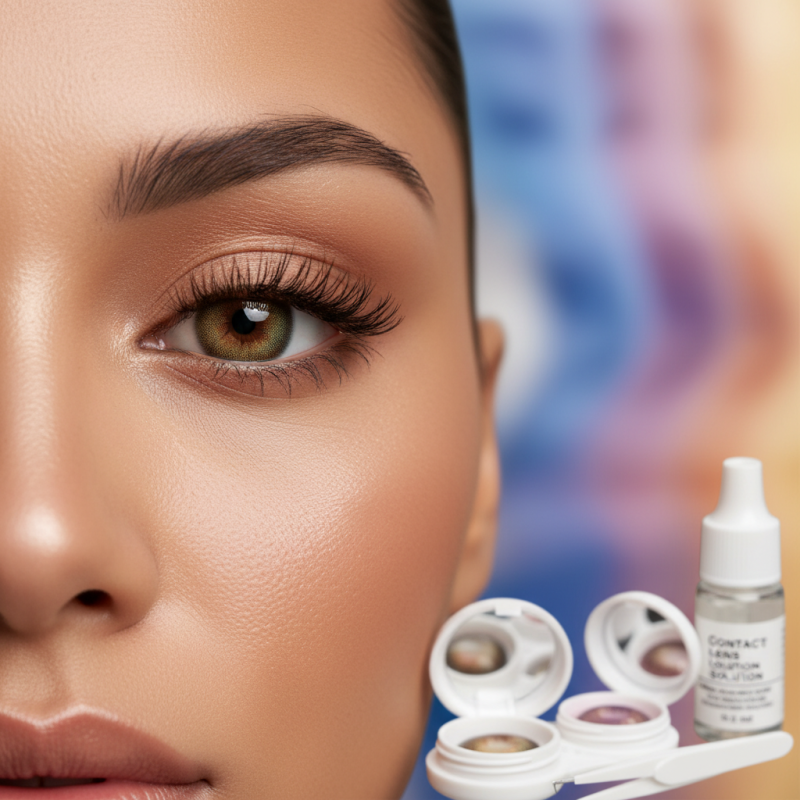
Choosing the right color contact lenses is an art. Understanding your eye color and skin tone is vital for making a choice that enhances your natural beauty. If you have cool-toned skin, shades like blue or gray may complement you well. These colors create a striking contrast that adds vibrancy to your appearance.
On the other hand, warm-toned skin can pair beautifully with green or hazel lenses. These hues can bring out the warmth in your complexion, creating a harmonious look. It’s fascinating how a small change, like your eye color, can impact your entire vibe. But it’s essential to test different shades. Not all colors will suit everyone, and personal preference plays a significant role.
Make sure to consider the brightness level of the lenses as well. Darker tones may appear more natural, while brighter shades can offer a fun twist. Experimenting can lead to unexpected outcomes. You might find a color that surprises you or one that doesn't feel quite right. Reflect on how each shade makes you feel, and don’t hesitate to reach out for professional advice. Understanding your unique features can guide you in this colorful journey.
The chart above illustrates the popularity of different color contact lenses among users. Light blue lenses are preferred by 25% of users, while dark brown takes the lead with 40% preference. Green, hazel, and gray lenses have lower popularity at 15%, 10%, and 10% respectively. This data can assist in selecting lenses that resonate with your eye color and skin tone.
When choosing color contact lenses, understanding the types available is crucial. There are three main categories: enhancers, opaques, and visibility tints.
Enhancer lenses amplify your natural eye color, creating depth and vibrancy. These work best for individuals with light-colored eyes.
Opaque lenses, in contrast, completely mask the original eye color. They are perfect for creating dramatic changes, such as transforming brown eyes to bright blue.
Visibility tints are subtle enhancements, often with a slight tint, making them easier to handle without altering the natural eye color significantly.
For safe usage, consider a few tips. Always consult with an eye care professional before trying color lenses. This ensures you find the right fit and type for your eyes.
Regular maintenance is also essential. According to industry reports, improper care can lead to eye infections. Familiarize yourself with the cleaning processes and how long you can wear them.
Lastly, try a few different colors, ensuring you feel comfortable and confident.
Data shows that around 14% of contact lens wearers choose color lenses, highlighting their popularity. However, remember that not all lenses are suitable for every individual.
Some may experience discomfort or allergic reactions. It's vital to prioritize eye health over aesthetics.
When choosing color contact lenses, comfort and fit are crucial. The lens material plays a significant role in how they feel during wear. Research shows that approximately 40% of users report discomfort from poorly fitting lenses. This statistic highlights the importance of selecting lenses made from breathable materials that allow for adequate oxygen flow. High oxygen permeability is essential to maintain eye health, especially for extended wear.
Silicone hydrogel lenses have gained popularity for their comfort. These lenses are designed to enhance moisture retention. Reports indicate that users experience fewer dry eyes and irritation with these materials. However, it’s not just about the material; lens curvature also affects fit. Poor curvature can lead to discomfort, causing the lens to feel too tight or too loose.
Many users overlook the importance of a proper fit. About 30% forget to consult with an eye care professional before buying color lenses. This oversight can lead to complications or suboptimal comfort. Regular check-ups can help ensure that the lenses suit both the eye shape and vision needs. Prioritizing comfort and fit is essential for a positive wearing experience.
Choosing color contact lenses can be exciting, but it’s essential to consult an eye care professional first. They have the expertise to assess your eye health and recommend suitable options. Not all lenses are right for every individual. A professional can help avoid potential issues like discomfort or vision problems.
During your appointment, discuss your lifestyle needs. Are you looking for a subtle change or a bold transformation? Your eye care professional can guide you on colors that will enhance your natural look or provide a dramatic change. In addition, they will check the fit and material of the lenses. Poorly fitting lenses can lead to irritation or infections.
Be open about your preferences and concerns. It can be tempting to rush into a decision. However, taking the time to explore options is crucial. You might find that certain colors don’t suit your skin tone or eye shape as you expected. Some people may even need a trial period. Your eye care professional will help you navigate these challenges effectively.
Choosing the right color contact lenses requires careful consideration, especially regarding UV protection and maintenance. Protecting your eyes from harmful rays is essential, even if you opt for colored lenses. Not all lenses offer UV protection, so look for those that block at least
99% of UVA and UVB light. This helps prevent potential damage from sun exposure. Remember, color contacts are not a replacement for sunglasses.
Maintenance is crucial to ensure the longevity of your lenses and the health of your eyes. Clean and disinfect your lenses daily, even if you feel like skipping it. Dirty lenses can lead to infections or irritation. Use a reliable contact lens solution for proper cleaning. Regularly replace your lenses as recommended. Lingering issues can often stem from neglect in these areas.
When selecting the best color contact lenses, consider your lifestyle. Are you frequently outdoors or in water? This may affect your choice. Consult with an eye care professional to tailor your selection to your specific needs. Small changes can make a significant impact on your eye health and comfort.
: There are three main types: enhancers, opaques, and visibility tints.
Enhancer lenses are ideal for individuals with light-colored eyes.
Opaque lenses mask the original eye color entirely, creating dramatic changes.
Visibility tints slightly enhance the natural eye color without significant changes.
Lens material affects comfort and fit, impacting how they feel during wear.
Approximately 40% of users experience discomfort from poorly fitting lenses.
Regular maintenance and proper cleaning processes are essential for eye health.
Consulting an eye care professional ensures the right fit and type for your eyes.
Poor fit can cause discomfort or irritation, negatively affecting the wearing experience.
No, some individuals may have discomfort or allergic reactions. Prioritize your eye health.
When choosing the best color contact lenses, it’s essential to consider various factors to ensure the perfect fit and appearance. Begin by understanding your eye color and skin tone, as these elements significantly impact how different lens shades will look on you. Familiarize yourself with the three main types of color contact lenses: enhancers, which boost your natural color; opaques, ideal for those looking to drastically change their eye color; and visibility tints, which improve lens visibility but offer minimal color change.
Comfort and fit are also crucial, so pay attention to the lens material and ensure it suits your eyes. Always consult an eye care professional before making a purchase to receive tailored advice and ensure your lenses are safe for use. Additionally, consider features like UV protection and proper maintenance practices to prolong the life and effectiveness of your color contact lenses. By following these tips, you can successfully select the right lenses that enhance your look while prioritizing eye health.

Dewylenses