What Are the 2026 Best Contact Lens Removers for Buyers?

Time:2026-10-21 Author:Aria
0%

Choosing the best Contact Lens Removers for 2026 requires more than comparing prices or polished product photos. A remover must support safe handling, steady control, and comfortable lens removal during real routines. Think of a bathroom mirror, wet fingertips, and a soft lens that folds unexpectedly.

The market is growing, but remover-specific data remains limited. Grand View Research estimated the global contact lens market at approximately USD 9.89 billion in 2023. Its report also projected continued growth through 2030. This expansion suggests stronger demand for practical lens-care accessories. However, market growth does not prove that every remover is safe or effective. That distinction matters.

According to the U.S. Centers for Disease Control and Prevention, about 45 million people in the United States wear contact lenses. The CDC stresses handwashing, proper cleaning, and following replacement instructions. The U.S. Food and Drug Administration also advises users to avoid tap water and saliva around lenses. These recommendations shape our 2026 evaluation criteria.

Safety comes first.

This guide examines grip design, material quality, cleaning compatibility, portability, and ease of use. It also considers whether instructions are clear enough for first-time users. Some products may perform well in controlled demonstrations but feel awkward with longer nails or dry hands. That is where buyer experience becomes important.

No ranking can replace professional eye-care advice. Individual eye conditions, lens types, and handling habits differ. Still, careful comparison can reduce guesswork. Our findings may not be perfect, and product claims deserve verification. Reliable choices should combine manufacturer transparency, recognized safety guidance, and practical user feedback.
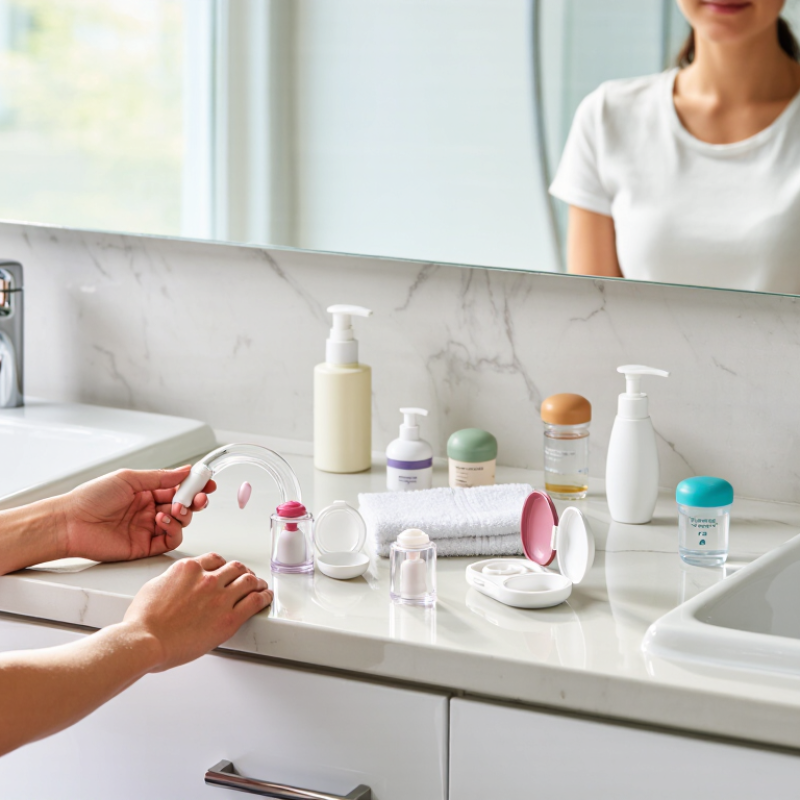
What Are the 2026 Best Contact Lens Removers for Buyers?

Types of Contact Lens Removers Available in 2026

What Are the 2026 Best Contact Lens Removers for Buyers?

Types of contact lens removers available in 2026 now serve different lens designs. Clean, dry fingers remain the simplest option for most soft lenses. Silicone-tipped pinchers can help users with limited dexterity, but they require gentle pressure and careful alignment. Suction plungers are more suitable for rigid gas-permeable and scleral lenses. Their small cup can lift a lens from the eye without dragging the surface.

The Centers for Disease Control and Prevention estimates that about 45 million Americans wear contact lenses. Its safety research also found that nearly all surveyed users reported at least one risky habit. This makes hygiene more important than a clever remover design.

The U.S. Food and Drug Administration advises users to wash and dry hands before handling lenses. Never rinse a remover with tap water. A small storage case may also collect residue, which buyers often overlook.

I would not choose a tool only because it looks convenient. Comfort and lens compatibility matter more.

Tips: Check the remover’s instructions and ask an eye-care professional before using it with specialty lenses. Inspect silicone tips for cracks or cloudiness. Replace damaged tools immediately. Practice over a clean towel, not a bathroom sink. Some users may still need their fingers. That is not a failure. It may simply be safer for their lens type.

How to Compare Safety, Comfort, and Ease of Use

What Are the 2026 Best Contact Lens Removers for Buyers?

Comparing a contact lens remover starts with safety, not speed. Choose a tool with smooth, rounded contact points and a clear grip. It should never scratch the lens or touch the eye directly. The U.S. Food and Drug Administration advises washing and drying hands before handling lenses. That advice matters, even when the remover looks clean.

Comfort depends on control. A stable handle can reduce squeezing, slipping, and repeated attempts near the eyelid. Soft, dry fingertips still help. Avoid tools that require force or create a sharp pulling sensation. Stop immediately if you feel pain, redness, or blurred vision. The CDC reported that nearly all surveyed lens wearers had made at least one risky care mistake, including poor hand hygiene. That statistic should make buyers cautious, not anxious.

Ease of use is practical. Look for a remover that is easy to rinse, inspect, and store in a clean, dry case. Do not share it. Replace it when the surface becomes rough or stained. A compact design helps during travel, but tiny parts can be difficult to clean. I would test the grip with clean hands before judging convenience. Marketing descriptions often promise effortless removal; real comfort may depend more on technique, lens fit, and dry eyes. A qualified eye-care professional should check persistent difficulty.

Key Features for Different Lens Materials and Wearers

Choosing a 2026 contact lens remover starts with lens material, not a flashy handle. The CDC estimates that about 45 million Americans wear contact lenses. One tool cannot suit every eye. For soft hydrogel and silicone-hydrogel lenses, look for a rounded, flexible fingertip aid. It should release the lens without scraping the cornea. Avoid rigid tweezers near the eye. They invite pressure and panic. Short sentence.

Rigid gas-permeable lenses need a different approach. A small suction remover may help lift the lens from the lower sclera, but the eye should remain lubricated. Never use suction on soft lenses without professional approval. Scleral lenses demand more precision. Some wearers prefer a controlled removal plunger, while others use clean fingers. The TFOS Lifestyle report connects comfort with screen use, air quality, and handling habits. For dry-eye wearers, prioritize a wide grip, textured surface, and simple cleaning. TFOS DEWS II reports dry-eye prevalence estimates ranging from 5% to 50%, depending on population and definition.

Check storage hygiene and replaceable tips. FDA guidance emphasizes handwashing before lens handling and avoiding contaminated accessories. Market reviews from Contact Lens Spectrum describe continued growth in daily disposable and silicone-hydrogel use, but popularity does not remove handling risks. Match the remover to lens diameter, wearing routine, and hand dexterity. I would not trust an awkward tool with wet fingers. That detail matters. If pain, redness, or a lens that will not move appears, stop and contact an optometrist. No remover is perfect.

Top Buyer Criteria: Hygiene, Durability, and Compatibility

The best contact lens remover in 2026 should make hygiene easy, not merely look convenient. Clean, dry hands remain essential before touching any lens or tool. A remover with a smooth, non-porous tip is easier to rinse and inspect. Avoid deep grooves that can trap lotion, dust, or protein deposits. Keep it personal.

Durability matters at the bathroom sink. Choose firm construction, a secure grip, and a tip that keeps its shape after repeated cleaning. I would check the tip under bright light before each use. Tiny cracks can collect residue and scratch a lens. Replace the tool when it becomes cloudy, warped, sticky, or difficult to control. I once underestimated a slightly bent tip. That small defect made removal less predictable.

Compatibility deserves careful attention. Some removers suit rigid gas-permeable or scleral lenses, while soft lenses usually require clean fingers. Confirm the remover’s intended lens type and follow an eye-care professional’s instructions. Never force a lens that feels stuck. Stop if pain, redness, or blurred vision appears, and seek professional advice. A practical choice should also fit your routine: easy to clean, simple to store, and unlikely to fall into a dusty drawer. I may prefer a compact design, but compact does not always mean easier to handle. Reliability includes honest limits.

What Are the 2026 Best Contact Lens Removers for Buyers? - Top Buyer Criteria: Hygiene, Durability, and Compatibility

Remover Type Best Use Lens Compatibility Hygiene Considerations Durability Factors Buyer Compatibility Check Overall Buyer Rating
Soft-Lens Removal Tool Designed to help handle soft lenses when finger removal is difficult. Soft hydrogel and silicone hydrogel lenses, when the tool is specifically labeled for soft lenses. Must be cleaned according to the instructions and kept dry between uses. Never share the tool. Look for smooth, non-abrasive contact surfaces and a handle that does not crack or shed particles. Confirm that the design does not pinch, scratch, or excessively deform the lens. Best for Soft-Lens Convenience
Rigid-Lens Suction Remover Helps remove rigid gas-permeable lenses from the eye surface. Rigid gas-permeable and other hard lenses only when the product instructions permit it. The suction tip should be cleaned as directed, rinsed with suitable solution when required, and fully air-dried. Silicone or similarly flexible tips should remain smooth and should be replaced if sticky, torn, discolored, or misshapen. Avoid use on soft lenses unless the manufacturer and eye-care professional specifically approve it. Best for Rigid-Lens Users
Large-Diameter Lens Remover Assists with removal of larger specialty lenses that may be difficult to grip with fingertips. May suit scleral or other specialty lenses only when specifically designed and approved for that lens type. A clean, lint-free storage case is useful. The tool must not be used if residue or debris remains on the tip. A firm but flexible tip and a stable grip are important because specialty lenses can be heavier and larger. Users should receive fitting and removal instructions from an eye-care professional before relying on the tool. Best for Specialty-Lens Support
Manual Lens Removal Plunger Provides controlled contact for users who prefer a compact, hand-operated remover. Compatibility depends on tip size and design; check the instructions for soft, rigid, or specialty lenses. The removable or washable tip is preferable because it can be inspected and cleaned more easily. A durable body, secure tip attachment, and resistance to bending improve long-term usability. The tip must align with the lens without touching the eye or applying excessive pressure. Best for Controlled Handling
Travel-Ready Remover Kit Useful for users who need a remover, protective case, and cleaning accessories while traveling. Choose the kit only after confirming compatibility with the exact lens material and design. A ventilated case can reduce trapped moisture, but the tool still needs regular cleaning and complete drying. Protective packaging helps prevent tip deformation, contamination, and damage inside a travel bag. Check airport-packaging practicality, replacement-tip availability, and clear cleaning instructions. Best for Frequent Travelers
Replaceable-Tip Remover Suitable for buyers who want to replace the part that contacts the lens instead of replacing the entire tool. Compatibility depends on the replacement tip and should be verified for the specific lens type. Replacement tips can improve hygiene when old tips become worn, contaminated, or difficult to clean. The handle may last longer, but the tip should be changed whenever it becomes damaged or loses its shape. Confirm that replacement parts are available and securely attach without looseness or exposed edges. Best for Long-Term Value

Buyer safety note: Contact lens removers should be used only as directed for the relevant lens type. Wash and dry hands before handling lenses, do not share removal tools, and stop use if there is pain, redness, blurred vision, or suspected eye injury. Seek advice from an eye-care professional when removal is difficult or the correct tool is uncertain.

How to Choose the Best Contact Lens Remover for Your Needs

Choosing the best contact lens remover in 2026 starts with lens type, not popularity. Soft lenses usually need clean, dry fingers. Rigid lenses may require a small suction tool. Scleral lenses often need a remover designed for their edge. Using the wrong device can scratch the lens or irritate your eye.

Check the remover’s material, shape, grip, and cleaning instructions. A flexible tip may feel gentler, while a firmer tip can offer better control. The tool should fit comfortably between your fingers. It should also work without excessive pressure. Avoid products that require tap water, rough surfaces, or complicated steps. Water can carry microorganisms, so use sterile saline only when the instructions allow it.

Read the package carefully. A glossy design can mislead. Choose clear instructions over dramatic promises. An eye-care professional can confirm whether the remover suits your lenses and technique. Stop immediately if you feel pain, unusual redness, blurred vision, or persistent discomfort. Never force a lens that feels stuck. Remove the tool, wash your hands, and seek professional advice if the problem continues. Even experienced wearers can rush removal when tired. That small mistake matters. Examine the tip regularly, replace damaged parts, and never share the remover with another person.

What Are the 2026 Best Contact Lens Removers for Buyers?

Comparison of common contact lens remover designs using practical buying criteria. Higher scores indicate easier everyday handling, better comfort, broader compatibility, and more convenient maintenance.

Soft-tip tools are generally the most comfortable for routine handling, suction tools can offer precise control, and multi-function tools are useful for buyers who prioritize portability. Always follow the lens and eye-care professional’s instructions.

FAQS

Which contact lens remover suits soft lenses?

Clean, dry fingers are usually the simplest choice for soft lenses. Wash and dry your hands completely. A tool is not always better.

When is a suction remover useful?

Suction plungers may suit rigid gas-permeable or scleral lenses. Their small cup can lift the lens gently. Never drag it across the eye.

Can silicone-tipped pinchers help users with limited dexterity?

They may provide better control for some users. Use gentle pressure and careful alignment. Excess force can irritate the eye or damage the lens.

What hygiene steps should users follow?

Wash and dry your hands before handling the lens or remover. Never rinse the tool with tap water. Use sterile saline only when instructions permit it.

How should buyers inspect a remover?

Check the tip under bright light before each use. Look for cracks, cloudiness, warping, or stickiness. Small defects can collect residue.

How often should a damaged remover be replaced?

Replace it immediately when the tip becomes cracked, cloudy, bent, or difficult to control. I once underestimated a bent tip. Removal became unpredictable.

How can buyers confirm lens compatibility?

Read the instructions carefully and match the remover with your lens type. Ask an eye-care professional about specialty lenses. Popularity proves little.

What should users do if a lens feels stuck?

Stop and do not force the lens. Remove the tool if possible. Seek professional advice when pain, redness, blurred vision, or lasting discomfort appears.

How should a remover be stored?

Keep it in a clean personal case away from dust and bathroom residue. Inspect the storage case regularly. A compact case is not automatically easier.

Can contact lens removers be shared?

No, keep the remover personal. Clean it according to the instructions and store it separately. Sharing creates an avoidable hygiene problem.

Conclusion

Choosing the best Contact Lens Removers in 2026 requires understanding the different types available, from simple manual tools to more specialized options designed for improved control and hygiene. Buyers should compare each remover based on safety, comfort, ease of use, and its suitability for soft, rigid, or specialty lenses. A well-designed remover should minimize unnecessary contact with the eye, provide a secure grip, and be comfortable for both new and experienced wearers.

Important buying criteria include easy cleaning, durable materials, compatibility with lens types, and a design that supports consistent handling. People with sensitive eyes, limited dexterity, or frequent lens use may prefer tools with ergonomic shapes and clearer control. The best choice will depend on individual needs, wearing habits, and cleaning routines. By balancing hygiene, durability, comfort, and compatibility, buyers can select Contact Lens Removers that make lens handling simpler and safer.

Aria

Aria

Aria is a dedicated marketing professional with a deep passion for innovative strategies and a keen understanding of our company's product offerings. With a wealth of experience in the industry, Aria excels at crafting engaging content that highlights the unique features and benefits of our......