Choosing Contact Lens Holders in 2026 requires more than matching a case with a bathroom shelf. The holder touches a medical device that rests directly on the eye. Its material, ventilation, closure, cleaning routine, and portability can affect everyday hygiene. Professor Nathan Efron, a respected contact lens researcher, offers a useful reminder: “Contact lenses are medical devices, not cosmetics.” That principle also applies to the holder.
A reliable holder should close firmly, stand upright, and allow the lenses to remain fully covered in fresh solution. Look for smooth interiors without sharp seams or deep grooves. Those small grooves may trap residue. Medical-grade plastic can be practical, but vague material claims deserve caution. A compact travel holder may fit neatly beside a toothbrush, yet it can become inconvenient if its wells are too shallow. Convenience matters because poor routines often begin with awkward equipment.
No holder is perfect. Think about your actual habits. Do you replace the case regularly? Do you wash and dry your hands before handling it? Can you inspect the interior under bright light? These questions are less glamorous than color and design, but they reveal real quality. The best Contact Lens Holders support consistent care, not careless shortcuts. They should never be shared, stored in standing water, or cleaned with household products. Guidance from an eye-care professional and the lens manufacturer remains essential. Even experienced wearers may overlook one detail. That is why this 2026 guide compares construction, hygiene, sustainability, travel use, and value before recommending any holder.
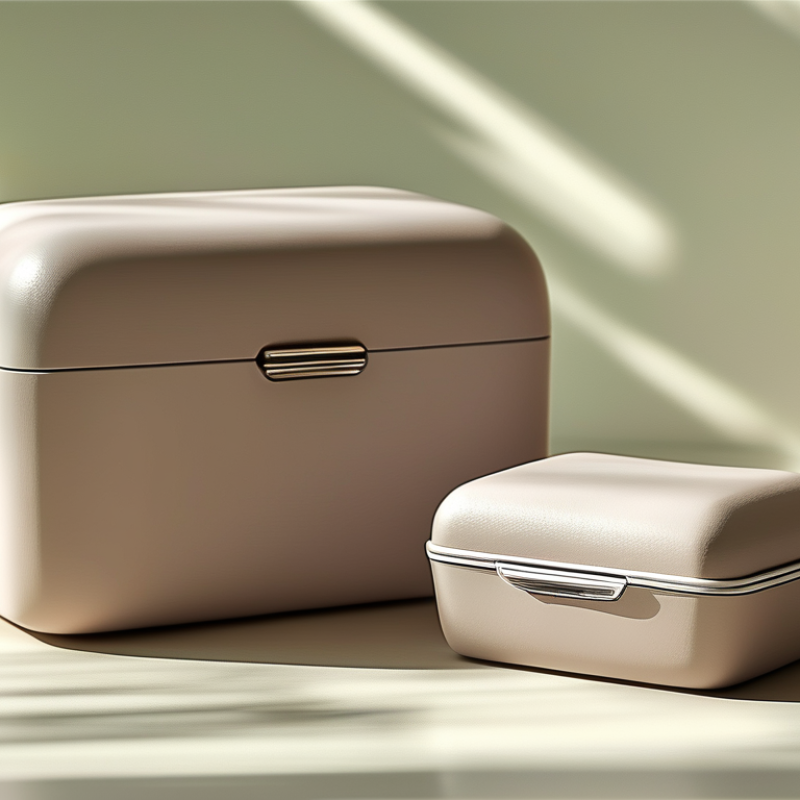
Choosing a contact lens holder in 2026 starts with lens type, not appearance. Soft lenses usually need a two-well case with clear right and left markings. The wells should close firmly, stand upright, and allow solution to cover each lens completely. Rigid gas-permeable lenses need a smaller, deeper case that reduces movement and surface scratches. Daily disposable lenses need no storage case. Reusing them defeats their intended hygiene design.
Hydrogen-peroxide systems require their supplied neutralizing case. A regular holder can leave peroxide active, causing severe eye discomfort. The U.S. Centers for Disease Control and Prevention reported that 99% of surveyed contact lens wearers practiced at least one hygiene-related risk behavior. That finding makes holder cleaning more important than decorative design. Rinse the case with fresh solution, air-dry it upside down, and replace it at least every three months, following professional guidance. Never “top off” old solution.
For travel, choose a leak-resistant holder inside a clean, sealed pouch. Avoid shallow wells and rough plastic edges. A useful test is simple: can you identify each side in dim bathroom light? If not, the design is already failing. I would also question cases with mirrors, tweezers, or crowded compartments. They look convenient, but extra surfaces can collect residue. One detail is easy to miss. A holder protects lenses only when hands, solution, and replacement timing are managed correctly.
Choosing a contact lens holder in 2026 requires more than matching bathroom colors. Hygiene should lead the decision. A CDC survey found that 99% of contact lens wearers reported at least one risky hygiene practice (CDC, MMWR, 2017). A holder with a smooth, washable interior is easier to clean than a narrow, threaded container. Avoid designs that trap solution in hidden grooves. Replace the holder regularly, even when it looks clean.
Material affects daily reliability. Medical-grade polypropylene is lightweight, moisture-resistant, and less likely to crack during travel. Silicone can feel softer, but its flexible surfaces may retain residue if cleaning is careless. Never choose material alone. Check whether the manufacturer provides cleaning and replacement guidance. The U.S. FDA emphasizes using fresh disinfecting solution and following lens-care instructions, not improvising with water. Small details matter.
Size should fit the lenses without folding or crowding them. A stable base helps prevent spills beside a sink. Ventilation may reduce lingering moisture, yet excessive openings can invite dust. Design remains a compromise. I prefer separate, clearly marked compartments and a wide opening that allows visual inspection. Still, “easy to clean” is not proof of safety; independent testing is often limited. The CDC reports roughly 45 million U.S. contact lens users, so a minor design flaw can affect millions (CDC, Contact Lens Health). Test the holder at home: inspect seams, check odor, and notice whether residue remains after rinsing. Pretty is not enough.
| Assessment Dimension | Recommended Requirement | Useful Specification or Range | Why It Matters | Practical Buying Check |
|---|---|---|---|---|
| Hygiene and Cleaning | Choose a holder with a smooth, non-porous interior and no unnecessary grooves, fabric, or exposed seams. | Interior surfaces should be easy to rinse and dry completely; avoid absorbent materials. | Crevices and moisture can allow microorganisms to remain inside the case. | Inspect the inside under bright light. Reject designs that are difficult to rinse or wipe. |
| Replacement Interval | Use a fresh contact lens case regularly rather than keeping the same case indefinitely. | A commonly advised replacement interval is about every 1–3 months, or according to the eye-care professional’s instructions. | Routine replacement helps reduce deposits, scratches, and microbial contamination. | Select a design with a visible date-marking area or maintain a replacement reminder. |
| Material | Prefer durable, non-absorbent plastic intended for contact-lens storage. | Polypropylene or similar medical-use plastic is lightweight, chemically resistant, and easy to clean. | The material should tolerate contact with multipurpose lens solutions without becoming brittle or porous. | Avoid cracked, cloudy, chipped, strongly scented, or visibly porous containers. |
| Chemical Compatibility | Use the holder only with the storage solution recommended for the lens type. | The case should be compatible with multipurpose solutions or hydrogen-peroxide systems as directed. | Some solutions require specific handling steps and must not be transferred between incompatible containers. | Follow the solution label; never mix solutions or reuse neutralized peroxide incorrectly. |
| Capacity | Each compartment should fully cover one lens with fresh solution. | Typical lens wells hold approximately 3–5 mL, depending on the case design and solution instructions. | Adequate liquid coverage helps prevent the lens from drying or adhering to the case. | Check that the lens remains completely submerged when the cap is closed. |
| Size and Portability | Choose a compact case that fits securely in a clean toiletry pouch without being crushed. | A case around 60–75 mm long and 25–35 mm wide is generally convenient for travel. | A small footprint improves portability while still allowing adequate wells and caps. | Avoid oversized decorative cases that are difficult to clean or too small to cover the lenses. |
| Cap and Seal Design | Select caps that close firmly, open smoothly, and do not leak when the case is upright or gently moved. | Threaded or securely hinged caps should have clearly defined right and left compartments. | A reliable seal prevents solution loss and reduces the risk of lens exposure. | Fill, close, invert briefly over a sink, and check for leakage before regular use. |
| Left/Right Identification | Use clear, permanent markings that remain readable after repeated cleaning. | Raised or molded “L” and “R” indicators are preferable to easily erased stickers. | Consistent orientation can help reduce accidental lens swapping, especially with different prescriptions. | Confirm that markings are visible in low light and do not sit inside the lens wells. |
| Drying and Ventilation | Choose a case that can be emptied and air-dried with the caps open. | A stable base and wide opening are more useful than decorative ventilation holes that are difficult to clean. | Drying between uses helps limit the persistence of moisture-loving microorganisms. | Store it open and upside down on a clean tissue or washable surface after rinsing as directed. |
| Handling and Accessibility | Caps should be easy to grip without requiring excessive force or contact with the inner surfaces. | Textured outer surfaces and a cap diameter of roughly 18–25 mm can improve everyday handling. | Good grip supports hygienic use and is helpful for users with limited dexterity. | Test the caps with wet hands and verify that they do not require tools to open. |
| Travel and Storage | For travel, use a leak-resistant case kept in a clean protective pouch, separate from cosmetics and toiletries. | A rigid outer shell is useful for protection, but the lens wells should remain smooth and washable. | Protection reduces crushing, leakage, and contamination during transport. | Do not store lenses in tap water, saliva, or an unclean travel container. |
| Overall Selection Priority | Prioritize hygiene, compatibility, secure sealing, and ease of replacement over appearance. | Best choice: smooth non-porous material, adequate capacity, clear markings, leak-resistant caps, and simple cleaning. | A simple case used correctly is generally safer and more practical than a complex decorative design. | Replace the case when damaged, contaminated, difficult to clean, or at the recommended routine interval. |
Note: Always follow the instructions supplied with the contact lenses and disinfecting solution, and consult an eye-care professional if irritation, pain, redness, or unusual vision occurs.
How to Choose Contact Lens Holders in 2026?
Your lens care routine should guide your holder choice. Daily disposable lenses usually need no overnight holder. Reusable lenses need a secure, easy-to-clean case with separate chambers. Look for smooth interiors, tight-fitting caps, and clear left and right markings. These details reduce handling mistakes, especially during rushed mornings.
Think about where you use it. A compact holder suits a short commute, but a wider, stable case may work better beside your bathroom sink. If you travel, choose a leak-resistant holder that fits inside a clean toiletry pouch. Avoid holders with narrow openings. They can trap solution and make inspection difficult. A common mistake is choosing the smallest case, not the safest one. I still think convenience can be overvalued.
Tips: Wash and dry your hands before handling lenses. Fill each chamber with fresh recommended solution, never tap water. Do not “top off” old solution. Empty the holder after use, rinse it only as directed, and let it air-dry upside down with caps off. Replace the holder on the schedule advised by your eye-care professional, often every one to three months. A damaged cap means earlier replacement. Stop wearing lenses and seek professional advice if you notice pain, unusual redness, light sensitivity, or blurred vision. A holder cannot correct poor hygiene. It only supports it.
Matching a holder to your lens care routine
Daily disposable lenses are discarded after each wear and should not be stored in a holder. Reusable two-week and monthly lenses require a clean, closable lens case for storage after cleaning and disinfection. Contact lens cases should generally be replaced at least every three months, or according to an eye-care professional’s instructions. Always follow the replacement schedule and care instructions supplied for your lenses.
A good contact lens holder should balance portability, durability, and user safety. In daily use, a compact case fits easily inside a small bag or pocket. However, extremely thin plastic may crack under pressure. A slightly thicker case often offers better protection during travel. Check the lid before buying. It should close firmly without forcing the threads.
Material matters, but hygiene matters more. Choose a holder with smooth inner surfaces and no deep grooves. These details make rinsing easier and reduce areas where residue may remain. Avoid holders that feel rough, smell strongly, or show loose seams. My own mistake was keeping one case too long because it looked clean. It was not a sensible choice. Replace the holder regularly, following guidance from an eye-care professional.
Tips:
Keep the holder in a clean, dry pouch. Never use tap water or saliva for lens care. Wash and dry your hands before handling lenses. Let the empty case air-dry with its lids open. A colorful design may look useful, but safety features should come first. Portability helps, yet a holder that leaks is not truly convenient. Check it weekly for cracks, cloudy surfaces, or damaged seals. Small defects can become annoying quickly.
Choosing the right contact lens holder begins with hygiene, not appearance. The CDC estimates that about 45 million Americans wear contact lenses. Its MMWR report found that nearly 99% of wearers reported at least one risky hygiene habit. A holder cannot fix careless routines.
Choose a case with a tight screw cap, smooth inner surfaces, and clear left-right markings. Ventilation helps the case dry after cleaning. Avoid deep grooves that trap solution, dust, or makeup residue. FDA guidance recommends replacing the holder about every three months, or sooner after damage. Small cracks matter.
Clean hands first. Empty old solution completely. Rinse the holder with fresh disinfecting solution, then leave it open to air-dry. Never use tap water. The CDC warns that water exposure can introduce organisms linked to serious eye infections. Never “top off” yesterday’s solution.
A practical routine may still fail during travel or rushed mornings. That is worth admitting. A spare holder in a clean pouch can reduce this risk, but it should remain sealed until needed. Check the cap weekly for leaks, cloudy residue, or a loose thread. If irritation, pain, unusual redness, or blurred vision appears, stop wearing the lenses and seek professional eye care. A stylish holder is useful only when its design supports consistent, evidence-based care.
: Choose a compact case that fits securely inside a pouch or pocket. A slightly thicker case may resist pressure better during travel. Small, but sturdy.
Look for smooth inner surfaces, tight screw caps, and clear left-right markings. Avoid deep grooves, rough plastic, loose seams, and strong odors. Simple designs are easier to rinse.
Replace it about every three months, or sooner if it becomes damaged. Cracks, cloudy residue, leaks, and damaged seals are warning signs. Do not wait for failure.
Wash and dry your hands before touching the lenses or holder. Empty old solution completely, then rinse with fresh disinfecting solution. Leave both lids open while the case air-dries.
No. Never use tap water or saliva for lens care. Water exposure can introduce harmful organisms linked to serious eye infections. Do not top off yesterday’s solution.
Appearance may help you enjoy using it, but safety features matter more. A colorful case is still unsuitable if it leaks or traps residue. Looks are not protection.
Keep the holder in a clean, dry pouch during travel. Carry a sealed spare case for rushed mornings or unexpected damage. Convenience can fail.
Admit the weak point and make the routine easier to follow. Check the cap weekly for cracks, leaks, cloudy surfaces, or loose threads. I once kept a case because it looked clean. That was a poor decision.
Stop wearing them if irritation, pain, unusual redness, or blurred vision appears. Seek professional eye care promptly. Do not ignore symptoms.
Choosing the right Contact Lens Holders in 2026 starts with understanding how different designs support daily lens care. Standard cases are suitable for routine storage, while travel-friendly holders may include leak-resistant lids, compact compartments, or space for cleaning supplies. When comparing options, prioritize hygienic, nonporous materials that are easy to rinse and dry, along with a size that securely fits the lenses without unnecessary movement. A simple design with clearly marked sides can also help prevent mix-ups and make everyday handling safer.
Your ideal holder should match your lens-care routine, whether you need a lightweight case for commuting, a sturdy option for frequent travel, or an organized kit for use at home. Durability, portability, secure sealing, and ease of cleaning are all important factors, but hygiene should remain the top priority. Replace the holder regularly according to professional guidance, clean it as directed, allow it to air-dry, and avoid sharing it. By balancing convenience, safety, and maintenance requirements, you can select a holder that supports consistent and responsible lens care.

Dewylenses