How to Choose Disposable Contact Lenses in 2026?

Time:2026-09-21 Author:Isabella
0%

Choosing Disposable Contact Lenses in 2026 is more personal than selecting a brand from a bright pharmacy shelf. Your prescription matters, but so do your eyes, work habits, climate, and wearing schedule. A lens that feels smooth at 8 a.m. may feel dry by late afternoon. Screens, air conditioning, dust, and long commutes can expose that difference quickly.

Dr. Thomas L. Steinemann, an ophthalmologist and contact-lens researcher, has emphasized, “Contact lenses are medical devices, not cosmetics.” That principle should guide every decision. A qualified eye-care professional must check your prescription, corneal health, tear film, and lens fit. Online convenience cannot replace that assessment. It is an easy point to overlook.

Modern options include daily lenses, silicone hydrogel materials, toric designs for astigmatism, and multifocal lenses. Daily disposables can reduce handling and storage concerns, especially for travelers or people with seasonal allergies. However, “daily” does not mean wearing one pair overnight. It means using the lens once, then discarding it.

Look closely at comfort claims. Consider oxygen transmission, moisture performance, UV protection, replacement timing, and packaging quality. Also ask whether the lens remains comfortable during your real routine, not only during a short trial. I have found that users often focus on price first. That can be a mistake. A cheaper box may cost more if discomfort leads to wasted lenses or skipped wear.

This guide will compare practical features, safety questions, and fitting considerations for 2026. It will not promise one perfect lens. Eyes differ, and personal experience can be imperfect evidence. The safest choice combines professional guidance, honest self-observation, and consistent replacement habits.
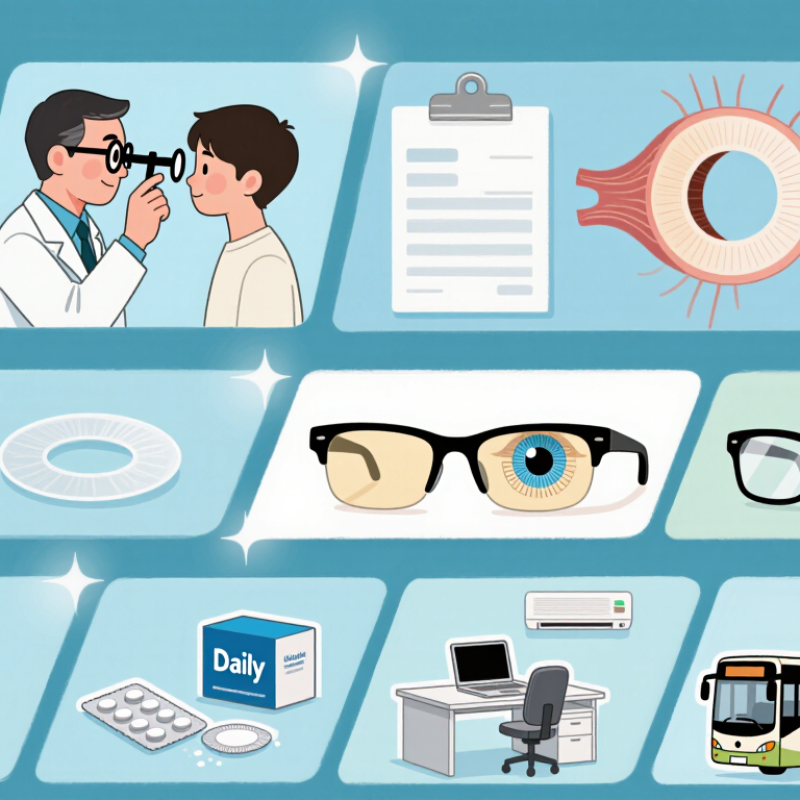
How to Choose Disposable Contact Lenses in 2026?

Assess Prescription Needs Using CDC Data on 45 Million U.S. Lens Wearers

How to Choose Disposable Contact Lenses in 2026?

The CDC estimates that about 45 million people in the United States wear contact lenses. That number highlights a practical concern: prescription needs vary widely. A current eye examination should guide your choice, not an old prescription or online guess. Your clinician can check nearsightedness, farsightedness, astigmatism, and age-related focusing changes. They can also assess tear quality and corneal health.

Daily disposable lenses may suit people who want a fresh lens each morning. They can reduce storage mistakes and limit buildup from repeated use. Planned-replacement lenses may fit different budgets or wearing routines. Comfort still depends on material, fit, moisture balance, and wearing time. A lens that feels fine for two hours may feel dry after ten. That detail is easy to underestimate.

Tips: Ask how many hours you should wear the lenses. Confirm the replacement schedule in writing. Never sleep or swim in lenses unless a qualified clinician specifically approves it. Wash and dry your hands before handling them. Keep backup glasses nearby. If redness, pain, light sensitivity, or blurred vision appears, remove the lenses and seek professional care promptly. Convenience matters, but it should not outrank eye health.

Match Daily Replacement Choices to FDA-Cleared Wearing Instructions

How to Choose Disposable Contact Lenses in 2026?

Choosing disposable contact lenses should begin with their FDA-cleared wearing instructions, not only comfort or price. “Daily disposable” means wearing a fresh pair for one day, then discarding it. It does not mean wearing the same pair for several days. A lens labeled for daily wear is not automatically cleared for overnight use. Always check the package labeling and follow the replacement schedule prescribed by an eye-care professional.

Your prescription, eye surface, work routine, and tear quality all matter. Someone working in a dusty warehouse may need different guidance from someone in a climate-controlled office. During a fitting, note how the lens feels after eight hours, not just during the first ten minutes. Redness, blurred vision, dryness, or a gritty feeling are useful warnings. Remove the lenses and seek professional advice if these symptoms continue.

A fresh pair feels simple.

Still, convenience can create careless habits. Some people keep a removed daily lens “just in case,” even though storage does not make it reusable. Others stretch a two-week schedule when their eyes feel fine. Comfort is not proof of safety. I would also question advice from online sellers when it conflicts with FDA-cleared instructions or your prescription. Eye health deserves a measured decision, even when the box promises an easier routine.

How to Choose Disposable Contact Lenses in 2026? - Match Daily Replacement Choices to FDA-Cleared Wearing Instructions

Disposable Lens Type Replacement Timing FDA-Cleared Wearing Instruction to Match Care and Handling Requirement Best-Fit User Profile Important Limitation
Daily disposable Discard after one day of wear; use a fresh pair for the next wearing day. Usually labeled for daily wear: remove before sleeping, napping, or swimming unless the specific labeling states otherwise. No overnight storage or routine cleaning for reuse. Wash and dry hands before handling; never rinse lenses with tap water. People seeking the simplest replacement routine, occasional wear, or fewer lens-care steps. A lens removed during the day should not automatically be reinserted; follow the product instructions and eye-care professional’s advice.
Two-week replacement Replace on the prescribed two-week schedule, even if the lenses appear clean; the schedule may be calendar-based or specified by the prescriber. Daily wear unless the exact lens is separately labeled for an approved extended-wear schedule. Clean, rinse, and disinfect with an appropriate contact-lens solution after removal; use fresh solution and replace the storage case as directed. People comfortable following a consistent cleaning and replacement routine. Do not extend the schedule because the lens looks acceptable; deposits and handling-related contamination can accumulate over time.
Monthly replacement Replace approximately every month according to the prescribed schedule and product labeling. Most commonly daily wear: remove before sleep and follow the labeled daily wearing time. Requires routine cleaning and disinfection after each removal, plus proper storage in fresh solution. People who wear lenses frequently and can reliably maintain a care routine. “Monthly” does not mean unlimited wear; replace earlier if damaged, contaminated, uncomfortable, or medically directed.
Extended-wear-labeled lens Use only the replacement interval and overnight schedule specifically authorized in the lens labeling and prescription. Overnight wear is permitted only when the exact lens is FDA-cleared for extended wear and the eye-care professional approves it for the wearer. Follow the labeled cleaning, disinfection, removal, and follow-up requirements; do not assume another lens has the same approval. Only selected patients whose clinician determines that overnight wear is appropriate. Sleeping in contact lenses increases the risk of serious eye infections; remove the lens promptly if discomfort, redness, pain, or vision changes occur.
Toric or multifocal disposable Follow the replacement interval printed in the specific product labeling; optical design does not determine the replacement schedule by itself. Use the exact daily-wear or extended-wear instruction attached to the prescribed lens, not a schedule from a different lens. Follow the same hygiene and disinfection requirements as the prescribed replacement category; do not exchange lenses between prescriptions. People needing astigmatism correction or near-and-distance vision correction. Fit, orientation, vision quality, and comfort may require follow-up adjustment by an eye-care professional.
Any disposable lens during illness or irritation Stop wearing and discard as directed if the lens is contaminated, damaged, or associated with symptoms. Do not wear lenses during eye redness, pain, unusual light sensitivity, discharge, or sudden blurred vision until evaluated by an eye-care professional. Wash hands before touching the eyes; never share lenses, use saliva, or expose lenses to non-sterile water. Applies to every wearer, regardless of replacement schedule. Symptoms can indicate a serious complication. Remove the lens and seek prompt professional care rather than restarting wear on your own.
Selection rule: Choose the replacement schedule, maximum wearing time, and overnight-use status shown in the exact lens’s FDA-cleared labeling and prescribed by an eye-care professional. There is no universal maximum wearing time for all disposable lenses.

Compare Oxygen Transmissibility Using ISO 18369 Dk/t Standards

How to Choose Disposable Contact Lenses in 2026?

Oxygen transmissibility deserves close attention when comparing disposable contact lenses. ISO 18369 uses Dk/t to describe oxygen transmission through a lens. Dk refers to the material’s oxygen permeability. The “t” represents lens thickness. A higher Dk/t value generally allows more oxygen to reach the cornea, especially during long wearing periods.

Check the test conditions behind the number. Temperature, hydration, lens power, and measurement methods can affect results. Two lenses may show different Dk/t values because their designs or thickness profiles differ. Do not compare Dk alone. A thin lens with moderate Dk may transmit oxygen more efficiently than a thicker lens with higher material permeability. The printed number is useful, but it is not the whole decision.

Fit matters too. A well-fitting lens should move slightly with each blink and remain comfortable across the day. Prescription strength can change its thickness, particularly in higher powers. An eye-care professional can assess corneal health, tear stability, wearing habits, and replacement timing. I would also question any chart that presents one Dk/t value as universally superior. Real-world comfort is less tidy. A lens may offer excellent oxygen transmission yet feel dry by late afternoon. That small detail can matter more than a perfect specification.

Evaluate Material, Water Content, and UV Claims in FDA-Authorized Lenses

How to Choose Disposable Contact Lenses in 2026?

Material, water content, and ultraviolet claims deserve careful attention when comparing FDA-authorized disposable contact lenses. Silicone hydrogel materials often allow more oxygen to reach the cornea. However, oxygen performance does not guarantee comfort. Fit, wearing time, blinking, and tear quality also matter. A lens may feel smooth in the morning but become irritating after hours of screen use.

I once treated water content as a comfort score. That was too simple. Higher water content can feel comfortable initially, yet it may lose moisture faster in dry air. Lower-water materials can sometimes provide steadier hydration for certain eyes. The right choice depends on your tear film, prescription, environment, and professional fitting. Ask an eye-care professional to compare material data, replacement schedules, and package instructions.

UV protection needs similar caution. A package claim should identify the level and type of ultraviolet filtering. FDA authorization supports the product’s labeled use, but it does not prove that every wearer will benefit equally. UV-blocking lenses do not cover the eyelids or surrounding skin. They should not replace well-fitting sunglasses and a brimmed hat. Check the official labeling, not only online descriptions. Comfort is useful evidence, but it is not enough. Redness, pain, light sensitivity, or blurred vision requires prompt professional attention.

How to Choose Disposable Contact Lenses in 2026?

Evaluate material, water content, and UV claims in FDA-authorized lenses.

How to read the chart: The values show minimum UV-blocking thresholds associated with two standardized contact-lens UV performance classes. Class 1 requires at least 90% UVA and 99% UVB blocking, while Class 2 requires at least 70% UVA and 95% UVB blocking.

Material: Hydrogel and silicone hydrogel lenses differ in oxygen transmission, so compare the material and oxygen-transmissibility information in the product labeling rather than choosing by material name alone.

Water content: Water content is lens-specific. Higher water content does not automatically mean greater comfort; fit, replacement schedule, tear-film condition, and oxygen transmission also matter.

UV reminder: Verify the UV statement in the lens’s current FDA-cleared labeling. UV-blocking contact lenses do not cover the entire eye or replace UV-blocking sunglasses.

Confirm Fit, Comfort, and Follow-Up Through Professional Eye Exams

How to Choose Disposable Contact Lenses in 2026?

A professional eye exam should guide every disposable contact lens decision. Fit matters. An eye-care professional measures your corneal shape, prescription, tear quality, and eyelid movement. These details affect comfort and visual stability. A lens that feels acceptable for ten minutes may move, dry, or irritate your eyes later.

During a fitting, describe real situations, not ideal ones. Mention long screen hours, air-conditioned rooms, outdoor exercise, or occasional dryness. The practitioner may place trial lenses and inspect their movement after blinking. Your vision should stay clear when you look across a room and read nearby text. Redness, burning, or a gritty feeling deserves attention. Do not guess.

Disposable lenses also require a wearing schedule suited to your eyes. Daily replacement can reduce handling, but it does not remove hygiene risks. Wash and dry your hands before touching lenses. Never sleep or swim in lenses unless specifically approved by a qualified professional. Follow-up care matters too. A review can reveal subtle corneal changes before discomfort becomes severe.

Personal preference still has value, but it should not overrule clinical findings. I once assumed softer meant safer; that assumption was incomplete. Material, moisture, edge design, and replacement timing can interact differently for each wearer. Comfort is useful evidence, not proof of eye health. If your prescription, medications, or eye condition changes, arrange another professional examination.

FAQS

Why should a current eye examination guide my lens choice?

Prescriptions can change over time. An examination checks nearsightedness, farsightedness, astigmatism, and focusing changes. It also evaluates tear quality and corneal health. Online guesses are unreliable.

Are daily disposable lenses suitable for everyone?

They may suit people wanting a fresh lens each morning. Daily replacement can reduce storage errors and repeated-use buildup. However, fit and wearing time still matter. Fresh does not mean risk-free.

How do planned-replacement lenses differ from daily lenses?

Planned-replacement lenses may suit certain budgets and routines. They require careful cleaning, storage, and replacement timing. Follow the schedule provided by your eye-care professional. Convenience can mislead.

What should a professional fitting check?

The practitioner checks corneal shape, prescription, tear quality, and eyelid movement. Trial lenses may be inspected after blinking. Your vision should remain clear nearby and across a room. Do not guess.

How can I judge comfort during the day?

A lens may feel comfortable for two hours, then become dry after ten. Mention screen use, air conditioning, outdoor exercise, and dryness. Material, moisture balance, edge design, and fit all influence comfort. My earlier assumption was incomplete.

How long should I wear disposable lenses?

Ask how many hours your eyes can safely tolerate. Wearing time should match your eye condition and professional advice. Remove lenses when discomfort begins. Keep backup glasses nearby.

What hygiene steps should I follow?

Wash and dry your hands before handling lenses. Follow the replacement schedule in writing. Never sleep or swim in lenses without specific professional approval. Small mistakes matter.

Which symptoms require prompt professional care?

Remove the lenses if redness, pain, light sensitivity, or blurred vision appears. Seek professional care promptly. A follow-up examination can detect subtle corneal changes before discomfort becomes severe. Waiting may be unwise.

When should I arrange another eye examination?

Arrange another examination when your prescription, medications, or eye condition changes. Follow-up care can confirm stable vision and lens movement. Personal preference matters, but clinical findings should guide the decision. Comfort alone is not proof.

Conclusion

Choosing Disposable Contact Lenses in 2026 should begin with a professional assessment of your prescription, eye health, lifestyle, and wearing habits. With approximately 45 million lens wearers in the United States, individual needs can vary widely, so prescription strength and recommended replacement schedules should be confirmed through a qualified eye-care professional. Daily replacement options may be suitable for people seeking convenience and hygiene, but they must be used according to FDA-cleared wearing and replacement instructions.

When comparing lenses, review oxygen transmissibility using ISO 18369 Dk/t standards, along with material type and water content. These factors can influence eye comfort, hydration, and overall wearing experience, although higher specifications do not guarantee a better fit for every person. UV protection claims should also be checked carefully within authorized product information and should not replace sunglasses. Finally, proper fitting, comfort evaluation, and follow-up eye exams are essential. Never extend wear time or reuse lenses beyond professional guidance, and seek care promptly if you experience pain, redness, blurred vision, or unusual sensitivity.

Isabella

Isabella

Isabella is a dedicated marketing professional with a sharp focus on driving brand growth and engagement through strategic content creation. With an extensive background in digital marketing, she combines her passion for storytelling with her keen understanding of industry trends to deliver......