Essential Tips for Choosing the Right Contact Lens Case?

Time:2026-06-09 Author:Sophia
0%

Choosing the right contact lens case may seem trivial, but it holds great importance. A proper case ensures the hygiene and longevity of your lenses. A suitable Contact Lens Case can protect your lenses from damage and contamination. With various designs and materials available, making a choice can be daunting.

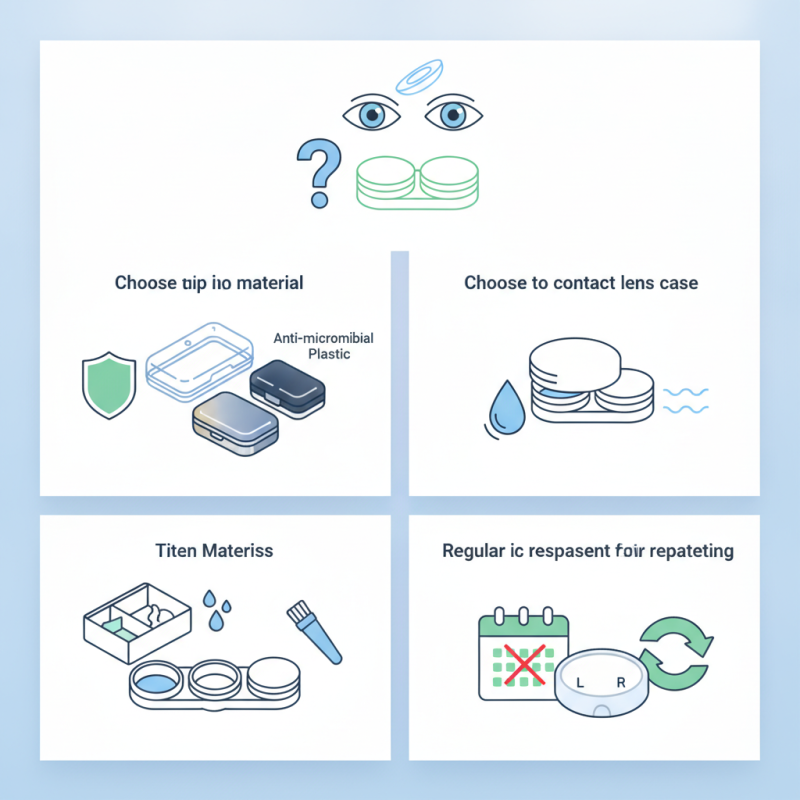
Consider the material of the case. Plastic is common, but some materials offer better protection. Look for cases with secure seals to prevent leaks. Check for built-in features, like separate compartments or cleaning instructions. These can make handling and maintenance simpler.

It’s easy to overlook details when selecting a Contact Lens Case. Many people fail to replace their cases regularly, which poses risks. Finding the right case can enhance your lens experience. Your eye health deserves careful thought and consideration.
Essential Tips for Choosing the Right Contact Lens Case?

Types of Contact Lens Cases: Choosing Based on Lens Type

Choosing the right contact lens case is crucial for maintaining eye health. Different types of contact lenses require specific cases to ensure comfort and safety. For soft lenses, look for cases with a secure closing mechanism. These lenses are sensitive and can easily be damaged if they dry out.

For rigid gas-permeable lenses, select a case with a larger compartment. Rigid lenses need more space to avoid deformation. Some cases even come with separators to keep lenses from touching each other. This can prevent scratches and prolong their lifespan.

When choosing a case, consider the material. Some cases are made of plastic, while others may have antimicrobial properties. Antimicrobial cases can help keep your lenses cleaner. However, materials can wear out over time, leading to contamination. Regularly inspect your case for any signs of damage or wear. Your eye health depends on it.

Essential Tips for Choosing the Right Contact Lens Case

Lens Type Recommended Case Type Material Key Features
Soft Contact Lenses Regular Lens Case Plastic Screw-on cap, moisture retention
Rigid Gas Permeable Lenses RGP Lens Case Hard Plastic Specific curvature, good ventilation
Colored Contact Lenses Colored Lens Case Plastic UV protection, stylish design
Daily Disposable Lenses Disposable Case Recyclable Plastic Single-use, hygienic
Scleral Lenses Scleral Lens Case Plastic Larger compartment, wide opening

Material Considerations: Plastic vs. Metal Cases and Their Benefits

When selecting a contact lens case, material matters significantly. Plastic and metal cases each have distinct advantages and drawbacks. Plastic cases are lightweight and often less expensive. However, they may not offer the same level of protection. Over time, plastic can degrade and harbor bacteria if not cleaned regularly.

On the other hand, metal cases provide durability and a sleek appearance. They are generally more robust, reducing the risk of accidental damage. Metal can resist scratches and is less likely to warp. Nevertheless, they can be heavier and might not suit everyone's taste.

Tips: Always choose cases with secure closures to prevent leaks. Regularly clean your case with disinfecting solutions to maintain hygiene. If you travel often, consider the weight and sturdiness of the case. Reflect on your lifestyle and choose a material that suits your everyday needs.

Design Features: Importance of Secure Lids and Ventilation

Choosing the right contact lens case involves several important design features. Secure lids are essential to prevent accidental spills and contamination. A case with a tightly fitting lid helps keep lenses safe from dirt and bacteria. If the lid isn't secure, it can cause discomfort and lead to eye infections.

Ventilation also plays a crucial role. Adequate airflow allows lenses to dry properly, reducing moisture build-up. Cases with ventilation holes help prevent the growth of harmful microorganisms. Without ventilation, bacteria can thrive, increasing the risk of eye health issues.

When selecting a case, consider materials that are easy to clean. Some cases might look nice but could harbor germs. Regular cleaning is vital, but it’s easy to forget. Reflect on your habits to ensure you're choosing a case that supports good eye care.

Cleaning and Maintenance: Tips for Keeping Your Case Sanitary

Maintaining a clean contact lens case is crucial for eye health. Many people overlook this important aspect, thinking a quick rinse is sufficient. However, improper cleaning can lead to infections or irritation. Always use fresh solution to clean your case. Avoid tap water, which can contain harmful microorganisms.

After a cleaning, check for any signs of wear or damage. Cracks or residue can harbor bacteria. If your case appears worn out, it’s time for a replacement. A good practice is to replace your lens case every three months. This simple habit can significantly reduce your risk of eye-related issues.

Daily maintenance habits matter too. Consider setting up a reminder to clean your case at the same time as your lenses. And remember to avoid touching the inside of your case. This simple act can save you from potential contaminants. Pay attention to these details for better eye care.

Essential Tips for Choosing the Right Contact Lens Case

When selecting a contact lens case, consider factors such as material quality, design, ease of cleaning, size, portability, and price. The bar chart illustrates the importance level of each factor as rated on a scale of 1 to 10.

Travel Considerations: Compact Cases for On-the-Go Users

When choosing a contact lens case for travel, size matters. A compact case fits perfectly in any bag. This convenience allows easy access during busy days. Many compact options are lightweight, making them ideal for frequent travelers. Yet, it’s crucial to ensure these cases still offer reliable protection for your lenses.

Look for cases with secure lids. A flimsy cover can lead to accidental spills. Also, opt for cases that are easy to clean. This step is often overlooked, but hygiene is vital. After all, a dirty case can compromise eye health. Consider cases designed with compartments. They help keep your lenses organized and prevent mix-ups.

However, finding the right balance in design and functionality can be tricky. Some cases may look stylish but lack sturdiness. Always prioritize health over aesthetics. It’s beneficial to gather feedback from fellow users. Their experiences may reveal flaws you didn’t consider. Keeping an open mind can lead to a better choice.

FAQS

: Why are secure lids important for contact lens cases?

: Secure lids prevent spills and contamination, keeping lenses safe from dirt and bacteria.

How can an unsecured lid affect my eye health?

An unsecured lid may lead to discomfort and increase the risk of infections.

What role does ventilation play in contact lens cases?

Ventilation allows lenses to dry, reducing moisture and preventing harmful microorganisms' growth.

What materials should I choose for a contact lens case?

Choose materials that are easy to clean and don’t harbor germs.

How often should I clean my contact lens case?

Regular cleaning is essential, but many people forget it. Aim for daily cleaning with fresh solution.

Can I use tap water to clean my contact lens case?

No, tap water may contain harmful microorganisms. Always use a suitable lens solution.

When should I replace my contact lens case?

Replace your case every three months to minimize the risk of eye-related issues.

What should I do if I see cracks in my lens case?

If you notice cracks, it's important to replace the case immediately to avoid bacteria buildup.

How can I remember to clean my contact lens case?

Set a reminder to clean the case at the same time as your lenses for consistency.

Why is avoiding contact with the inside of the case important?

Touching the inside introduces contaminants, which can lead to eye infections.

Conclusion

When selecting the right contact lens case, it's essential to consider various factors that cater to your specific needs. Different types of contact lens cases are available, designed to accommodate various lens types. Material choice is crucial, as plastic cases are lightweight and portable, while metal cases may offer durability. Additionally, pay attention to design features like secure lids and ventilation, which help maintain the integrity of your lenses.

Cleaning and maintenance are vital for ensuring your contact lens case remains sanitary, reducing the risk of eye infections. For those frequently on-the-go, compact cases provide a convenient option without compromising safety. By considering these tips, you can choose a contact lens case that keeps your lenses safe, clean, and ready for use whenever you need them.

Sophia

Sophia

Sophia is a dedicated marketing professional with an exceptional depth of knowledge about her company's products and services. With a keen understanding of market trends and customer needs, she crafts insightful blog posts that not only inform but also engage readers, enriching the company’s online......