China has become a significant source of optical manufacturing expertise, including customized Sports Contact Lenses for athletes and active consumers. This guide examines ten Chinese manufacturers that may support sports-focused lens development, private labeling, or large-scale supply.
Performance matters.
A reliable manufacturer should demonstrate controlled production, experienced optical engineers, stable materials, and documented quality procedures. We will consider lens comfort during movement, visual clarity under changing light, oxygen permeability, moisture retention, tint consistency, and packaging accuracy. Factory audits, sample testing, and transparent communication also deserve attention. A polished website alone proves very little.
The selection process also considers certifications, export experience, research capabilities, and after-sales responsiveness. However, supplier information can change, and public claims are not always easy to verify. That limitation should remain visible. Buyers should request current certificates, independent test reports, product specifications, and regulatory documentation before making commercial decisions. Sports Contact Lenses must be designed and marketed responsibly, with professional fitting guidance and clear wearer instructions.
Some manufacturers may excel in custom colors but offer limited clinical support. Others may provide strong production capacity while lacking flexible minimum order quantities. These differences can affect real purchasing outcomes. A practical comparison should therefore examine more than price. It should connect factory capability with actual user needs, such as secure fit during cycling, reduced glare on water, or comfort during extended training. This overview is intended as a research starting point, not a substitute for professional verification. Manufacturers can change. Product quality can vary between batches. Careful evaluation remains essential.
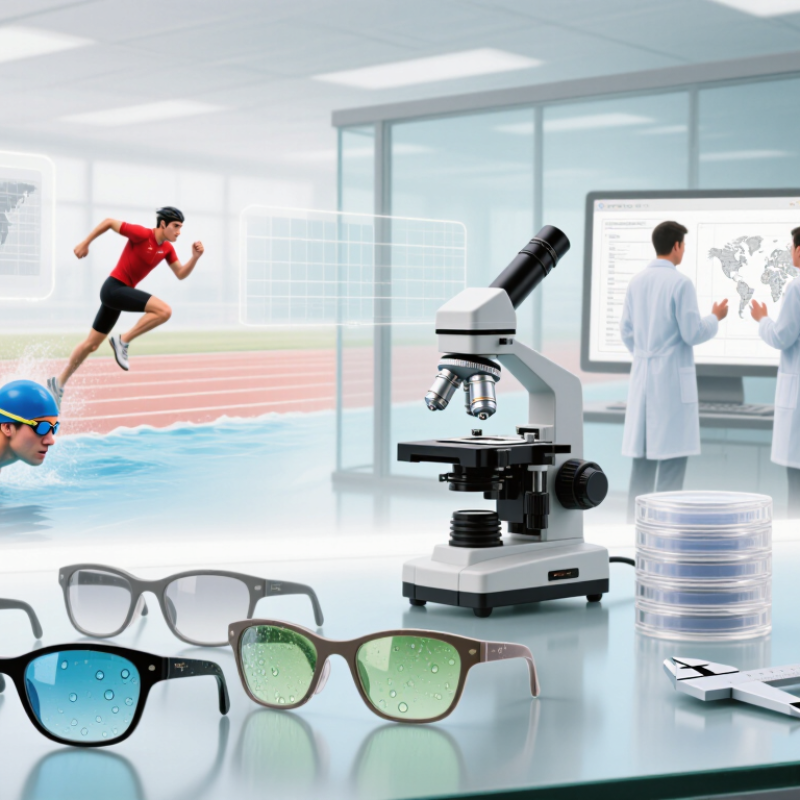
China’s Sports Contact Lens Market: 2024–2030 Growth and Demand Data
China’s sports contact lens market is moving from niche demand toward broader athletic use. Published estimates differ, but a practical 2024–2030 scenario suggests annual growth of 8% to 10%. If 2024 demand equals 100, the index could reach 159–177 by 2030. The estimate remains sensitive to price, regulation, and consumer education.
Demand is strongest among runners, cyclists, swimmers, and outdoor fitness users. Clear vision matters during sudden sunlight changes, dusty roads, and long training sessions. Daily disposable lenses may gain share because athletes often prefer simpler hygiene routines. However, affordability still limits adoption in smaller cities. Many buyers compare comfort for six hours, not technical claims.
A useful top-ten manufacturer review should examine material safety, oxygen transmission, ultraviolet filtering, production consistency, and after-sales support. Factory audits should include batch records and simulated sports-wear trials. Sales data should be checked against customs records, clinic feedback, and retail sell-through figures. Online interest alone can mislead.
Forecasts also need caution. Some reports combine cosmetic and sports lenses, weakening their accuracy. Regional data is uneven, especially outside major urban markets. My assessment would therefore use several scenarios rather than one confident number. Real demand may grow slower if prescription fitting remains inconvenient. It may grow faster if affordable, professionally fitted products reach local training clubs.
Ranking Criteria: NMPA, ISO 18369, CE, Dk/t, UV400, and Fit Evidence
China Top 10 Sports Contact Lens Manufacturers
A credible ranking should begin with regulatory evidence, not advertising claims. NMPA registration or filing information helps confirm whether a product is legally recorded for its intended use in China. However, registration alone does not prove superior sports performance. I would check certificate scope, manufacturing records, quality controls, and recent inspection evidence.
ISO 18369 documentation can clarify lens materials, tolerances, labeling, and measurement methods. CE evidence may support access to other markets, but its meaning depends on the conformity route and product classification. Dk/t matters during extended wear, especially when training creates longer wearing periods. Still, higher oxygen transmission does not guarantee comfort. Tear film, lens movement, and surface stability also matter.
UV400 claims require careful verification through test reports, not colorful packaging. The evidence should identify the tested lens, laboratory method, and protection range. Fit evidence deserves equal weight. Useful records may include corneal measurements, dynamic movement checks, controlled user trials, and documented complaints. Real athletes provide valuable insight, but small samples can mislead. I would also examine replacement frequency and comfort after sweating, wind, and repeated blinking. The ranking may remain imperfect when public data is incomplete. That limitation should be visible, not hidden.
Top 10 Manufacturers, Part I: Products, Materials, Dk/t, and Sports Uses
China’s top ten sports contact lens manufacturers are often compared by product range, materials, and manufacturing consistency. Their portfolios may include daily disposable, monthly, toric, and tinted lenses for active users. Silicone hydrogel is common because it can provide higher oxygen transmission. Traditional hydrogel may feel softer, but its lower Dk/t deserves careful consideration during long training sessions.
Dk/t measures oxygen transmissibility through the lens. A higher value can support corneal oxygen needs, but it does not guarantee comfort or safety. Moisture retention, edge design, surface treatment, and tear stability also matter. For cycling, lenses should resist wind-related dryness. For court sports, stable toric designs can help reduce blurred vision during rapid movement. Water sports require additional caution, since lenses can shift or collect contaminants. Real-world testing is essential. Laboratory figures are only part of the story.
Tips: Ask manufacturers for Dk/t data, material specifications, replacement guidance, and quality-control records. Check whether samples remain comfortable after several hours of sweating and airflow. Fit should be assessed by a qualified eye-care professional, not chosen from packaging alone. Some claims sound impressive. They still need verification. A weakness in this comparison is that public testing data may be uneven, so buyers should compare documented performance rather than promotional language.
Top 10 Manufacturers, Part II: OEM Capacity, Quality Systems, and Exports
China Top 10 Sports Contact Lens Manufacturers?
When reviewing China’s leading sports contact lens manufacturers, OEM capacity deserves close inspection. A factory may offer attractive samples, yet lack stable volume production. Ask for monthly capacity, mold availability, automation levels, and backup equipment. Production records should show controlled parameters for tinting, hydration, curing, and packaging. Small details matter.
Quality systems reveal more than a polished showroom. Reliable manufacturers normally operate documented procedures, batch traceability, incoming material checks, and final inspections. An ISO 13485-based system can indicate stronger medical-device discipline, but certification alone proves little. Request audit reports, validation records, and examples of corrective actions. A polished factory tour can still hide weak controls.
Export experience is another practical measure. Experienced suppliers understand labeling, technical files, customs documents, and destination-market requirements. They should explain how complaints, returns, and adverse quality signals are handled. Check whether their export history matches your target regions and product category. Do not rely only on a website.
Communication also affects OEM reliability. Clear drawings, approved samples, change-control notices, and written acceptance standards reduce misunderstandings. Production samples should be tested under realistic handling and storage conditions. Sports use can involve sweat, dust, movement, and long hours, so comfort and optical stability need evidence. Some suppliers may resist independent testing. That is a warning sign. Selection should balance price, capacity, documented quality, and honest limitations.
Comparison Matrix: Water Content, Replacement Cycles, Safety Data, and Prices
China Top 10 Sports Contact Lens Manufacturers: Comparison Matrix
A useful comparison of ten Chinese manufacturers should examine water content, replacement cycles, safety data, and prices. Water content commonly ranges from 38% to 58%. Lower-water lenses may feel steadier during long training sessions. Higher-water designs can feel comfortable at first, but may dry faster in air-conditioned gyms. Replacement options include daily, biweekly, and monthly lenses. Estimated prices often range from USD 0.20 to USD 1.50 per lens, depending on materials, prescription, packaging, and order volume.
Safety evidence deserves more attention than a low quotation. Ask each supplier for material specifications, manufacturing certifications, biocompatibility testing, sterility controls, and documented quality inspections. Request data on oxygen transmission, surface moisture, and reported discomfort. A professional comparison matrix should separate laboratory results from marketing claims. Some suppliers provide strong factory documents but limited wearer studies. That gap matters. I would not treat a certificate alone as proof of sports performance.
Tips: Test lenses during a short practice session before competition. Keep spare lenses and approved rewetting drops available. Never extend a replacement cycle because the lens still looks clear. Check the fitting with a qualified eye-care professional, especially for high-impact sports. Prices can change quickly. Record the quotation date, sample results, and packaging details before comparing suppliers.
FAQS
Silicone hydrogel is common because it usually offers higher oxygen transmission. Traditional hydrogel may feel softer. Its lower Dk/t needs attention during long training.
Dk/t measures oxygen transmissibility through a lens. Higher values may support corneal oxygen needs. They do not guarantee comfort or safety.
Cycling lenses should resist wind-related dryness. Stable toric designs may reduce blur during rapid court movements. Water sports require extra caution.
Test samples after several hours of sweating and airflow. Try them during a short practice session. Comfort can change unexpectedly.
Ask about monthly capacity, mold availability, automation, and backup equipment. Review records for tinting, hydration, curing, and packaging.
Request material specifications, batch traceability, inspection records, validation documents, and corrective-action examples. Certification helps. It proves less than many buyers expect.
Check labeling knowledge, technical files, customs documents, and destination-market requirements. Review complaint and return procedures. Do not rely only on a website.
Water content commonly ranges from 38% to 58%. Daily, biweekly, and monthly options are available. Prices may range from USD 0.20 to USD 1.50 per lens.
Ask for biocompatibility testing, sterility controls, oxygen data, moisture results, and quality inspections. Separate laboratory evidence from promotional claims.
Do not choose fit from packaging alone. Do not extend replacement cycles because lenses still look clear. Keep approved rewetting drops and spare lenses available.
Conclusion
This guide examines China’s Sports Contact Lenses industry, focusing on market growth, demand trends, and expected development from 2024 to 2030. It explains how manufacturers can be evaluated through NMPA registration, ISO 18369 compliance, CE certification, oxygen transmissibility (Dk/t), UV400 protection, and documented fitting performance. The overview also considers how different lens materials, water content, replacement schedules, and designs serve athletes and active users in situations involving outdoor exposure, extended wear, movement, and changing environmental conditions.
The ranking section compares ten leading manufacturer profiles without focusing on brand promotion. It reviews product categories, material technologies, sports applications, OEM capabilities, quality-management systems, export readiness, safety documentation, and manufacturing consistency. A final comparison matrix summarizes water content, replacement cycles, available safety evidence, customization options, and indicative price positioning. Readers can use this framework to identify suitable suppliers, compare technical strengths, and assess whether a manufacturer can support reliable, compliant, and performance-oriented Sports Contact Lenses for domestic and international markets.

 Dewylenses