Established in 1996, Guangzhou Dewy Lenses Co., Ltd. has evolved from a boutique manufacturer into a leading high-tech national enterprise. We don't just manufacture; we innovate. Our facility integrates product design, material research, and large-scale production of premium soft hydrophilic contact lenses.
Equipped with fully automatic CNC production lines, we utilize an advanced semi-molding process. This technical choice allows us to organically unify lens appearance with structural formability, ensuring that every "Healing Lens" provides optimal corneal fit and oxygen permeability.
As a national high-tech enterprise, our commitment to excellence ensures every lens meets the highest standards of comfort, clarity, and safety. From daily disposables to therapeutic yearly lenses, our products are engineered for the rigorous demands of the global optical market.
Years of Expertise
CNC Automated
Global Markets
Certified Quality
In the modern ophthalmic landscape, "Healing Contact Lenses" represent more than just vision correction. They serve as Therapeutic Bandage Lenses and Prosthetic Aesthetic Solutions designed to support ocular surface recovery and psychological well-being.
Our research focuses on Polymacon and HEMA-based materials with optimized water content. For healing applications, our lenses provide a protective shield over the cornea, facilitating epithelial healing while maintaining a stable tear film. This is crucial for patients recovering from corneal abrasions or surgical procedures.
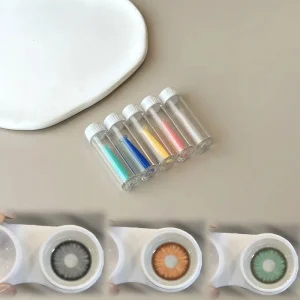
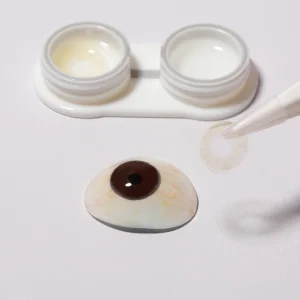
For patients with iris trauma or corneal scarring, our "Healing" range includes prosthetic lenses. These are designed to replicate the natural eye's depth and color, providing a transformative "healing" effect on the patient's self-esteem and social integration.
Located in Guangzhou, the heart of China's optical manufacturing hub, Dewy Lenses leverages a vertically integrated supply chain. We control everything from raw material sourcing to final sterilization, ensuring that global disruptions do not affect our commitment to B2B partners.
Our factory is a testament to the future of "AI-driven" production. Each stage is monitored and recorded to ensure full traceability.
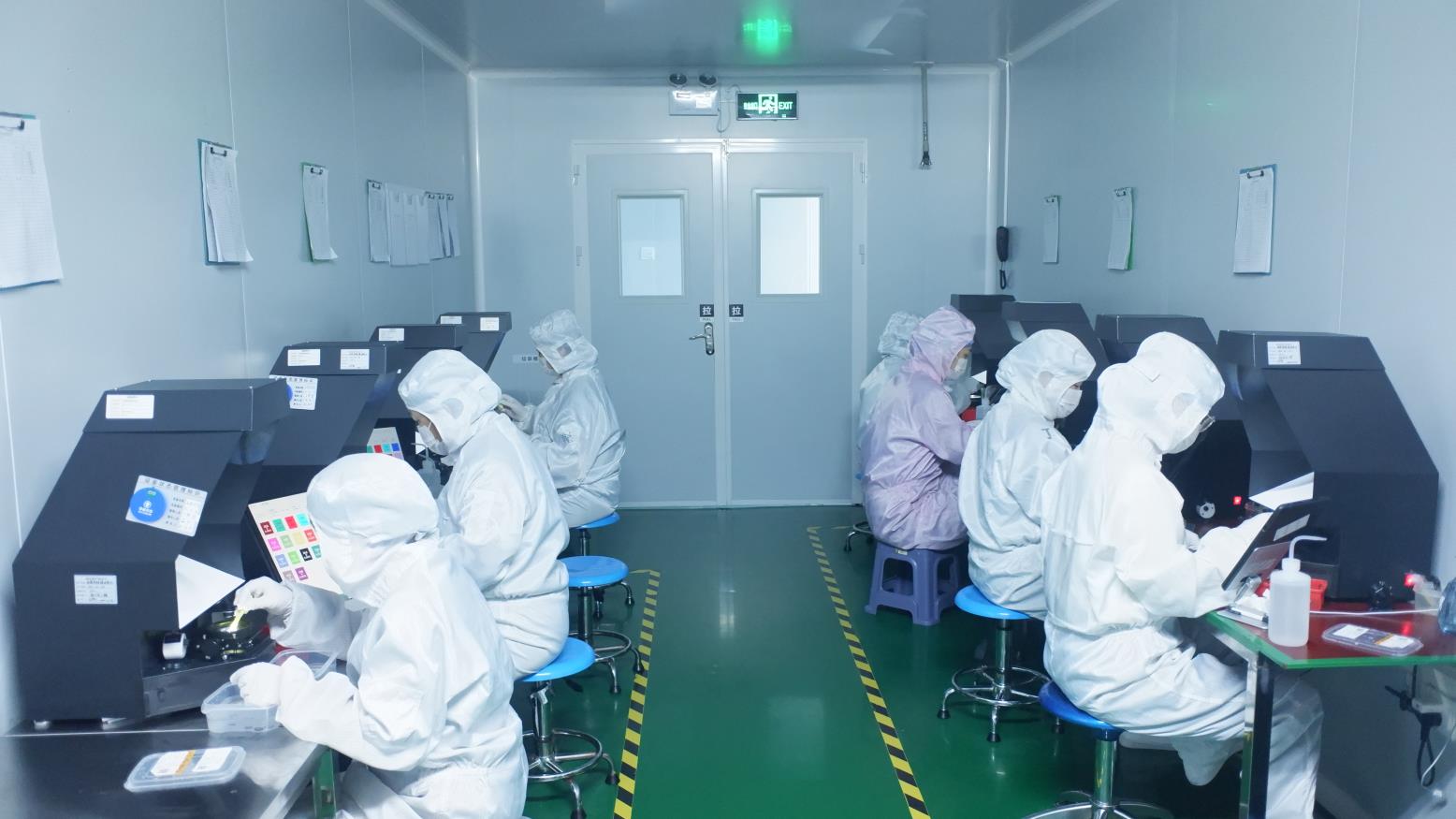 Corneal Contact Design
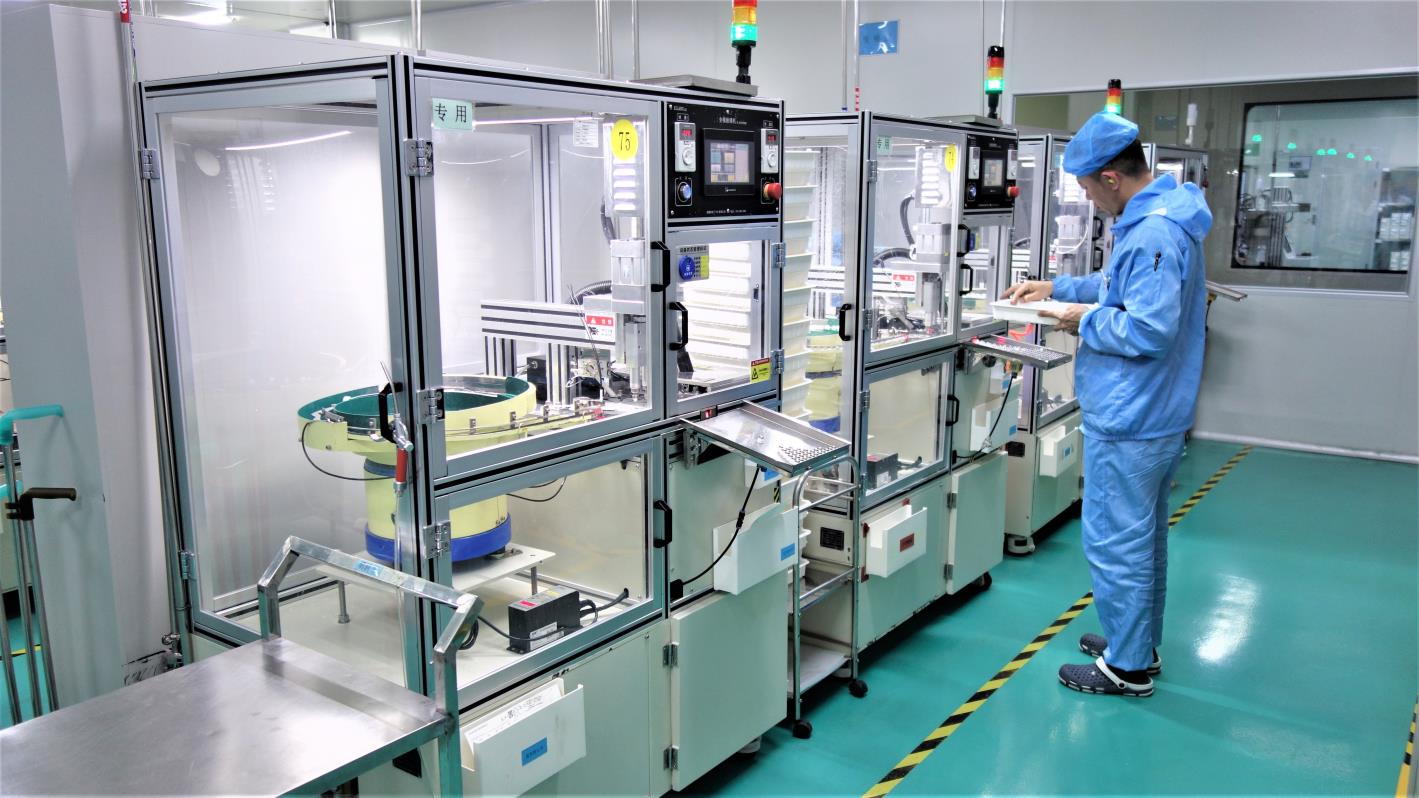 Auto-Demoulding
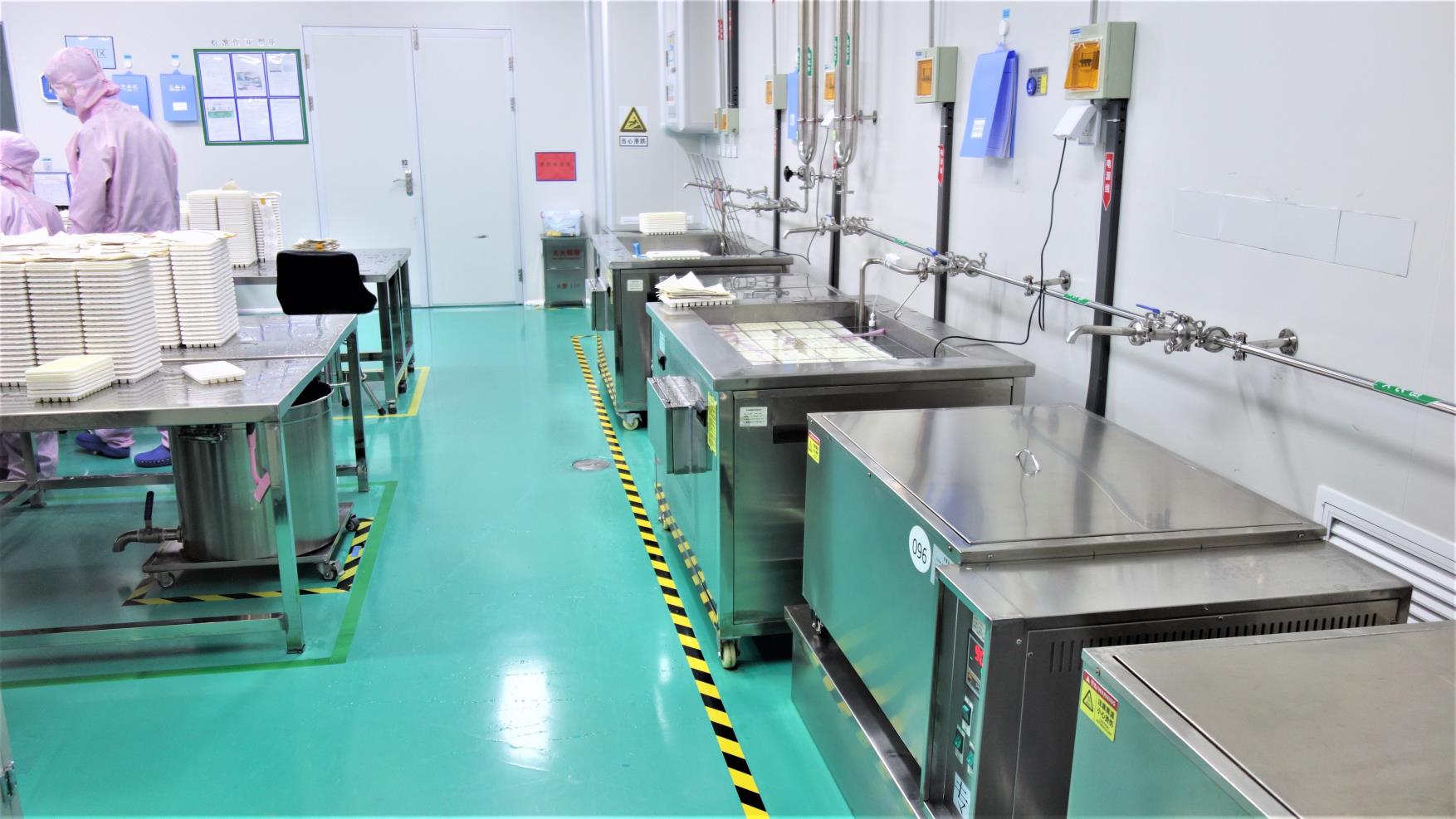 Soak & Disinfect
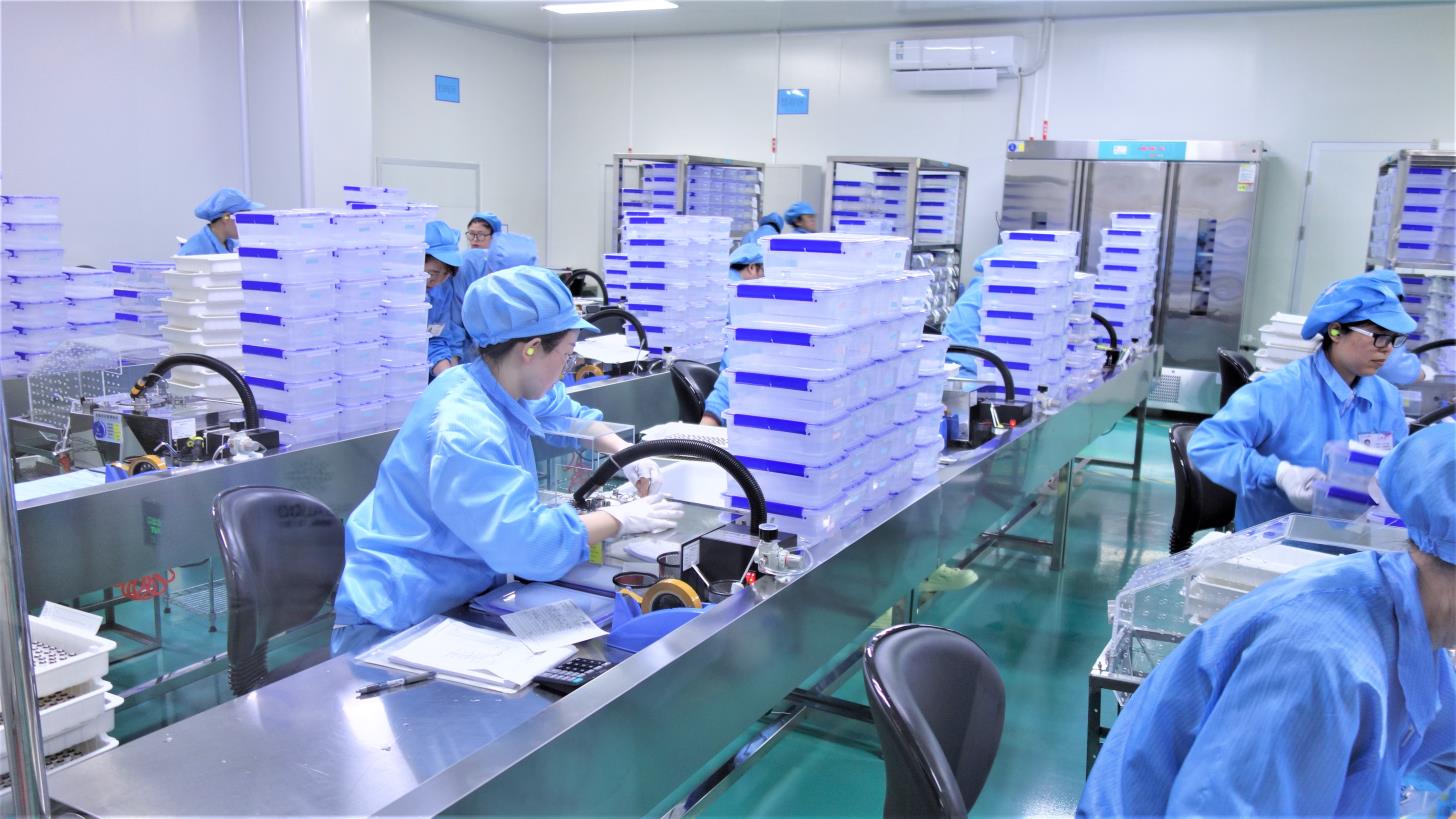 Film Suction
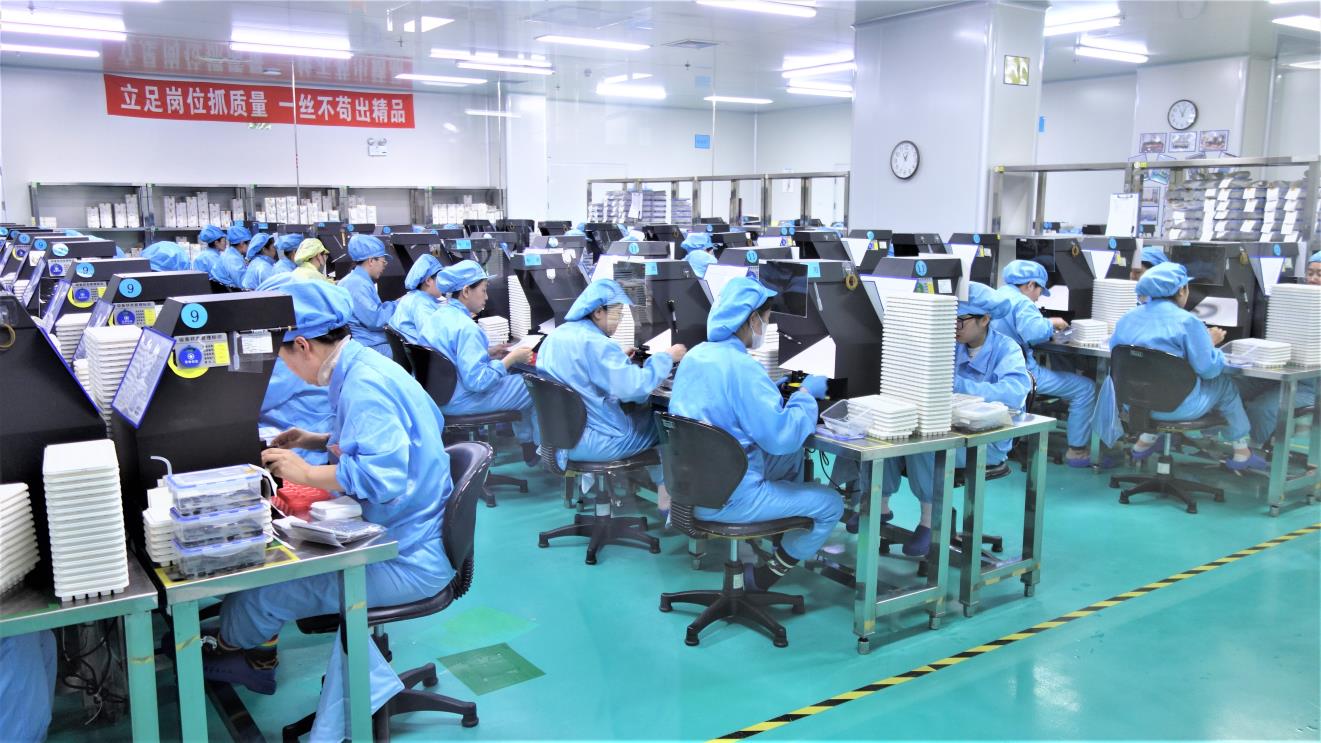 AI-Assisted Inspecting
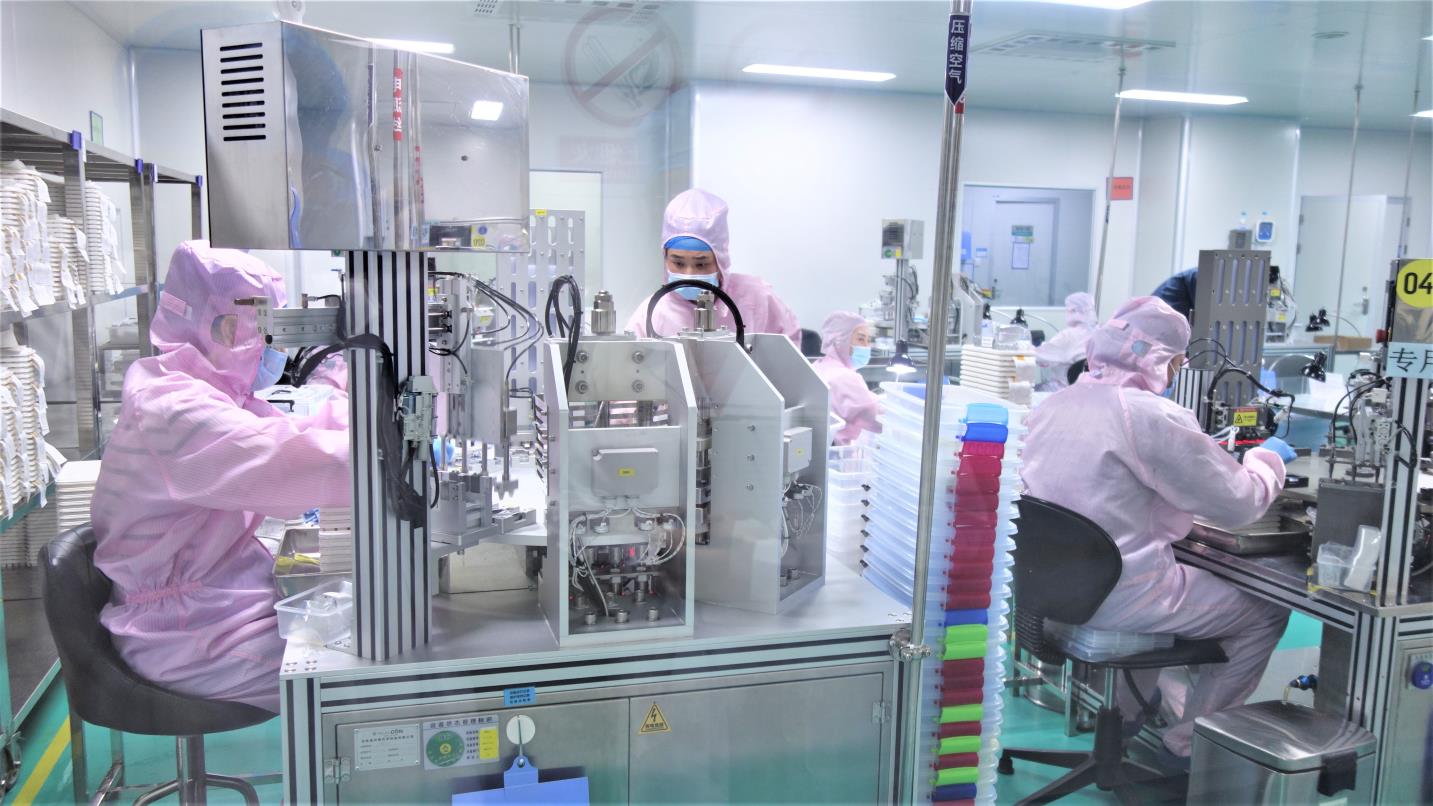 Automated Filling
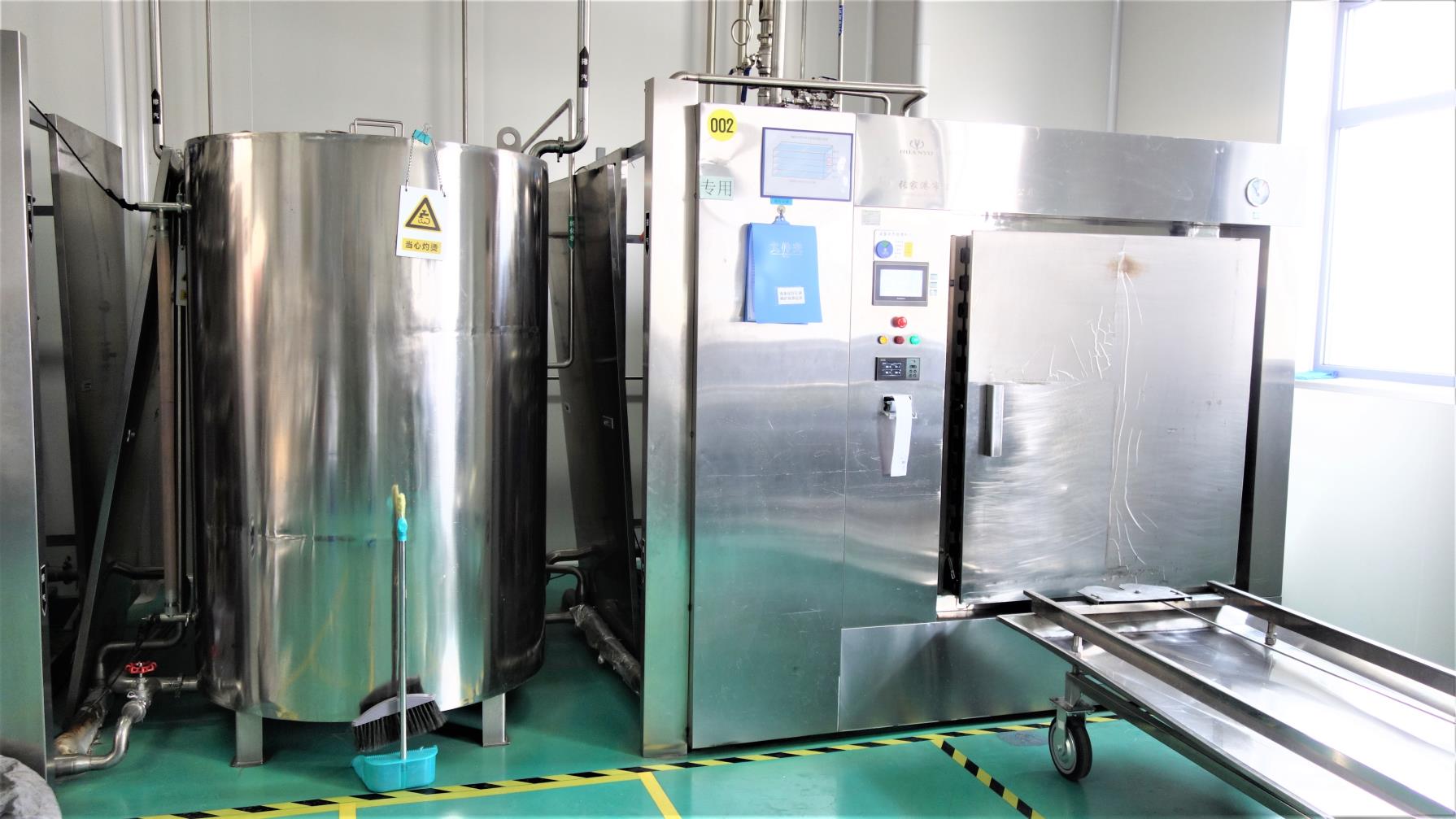 High-Pressure Sterilization
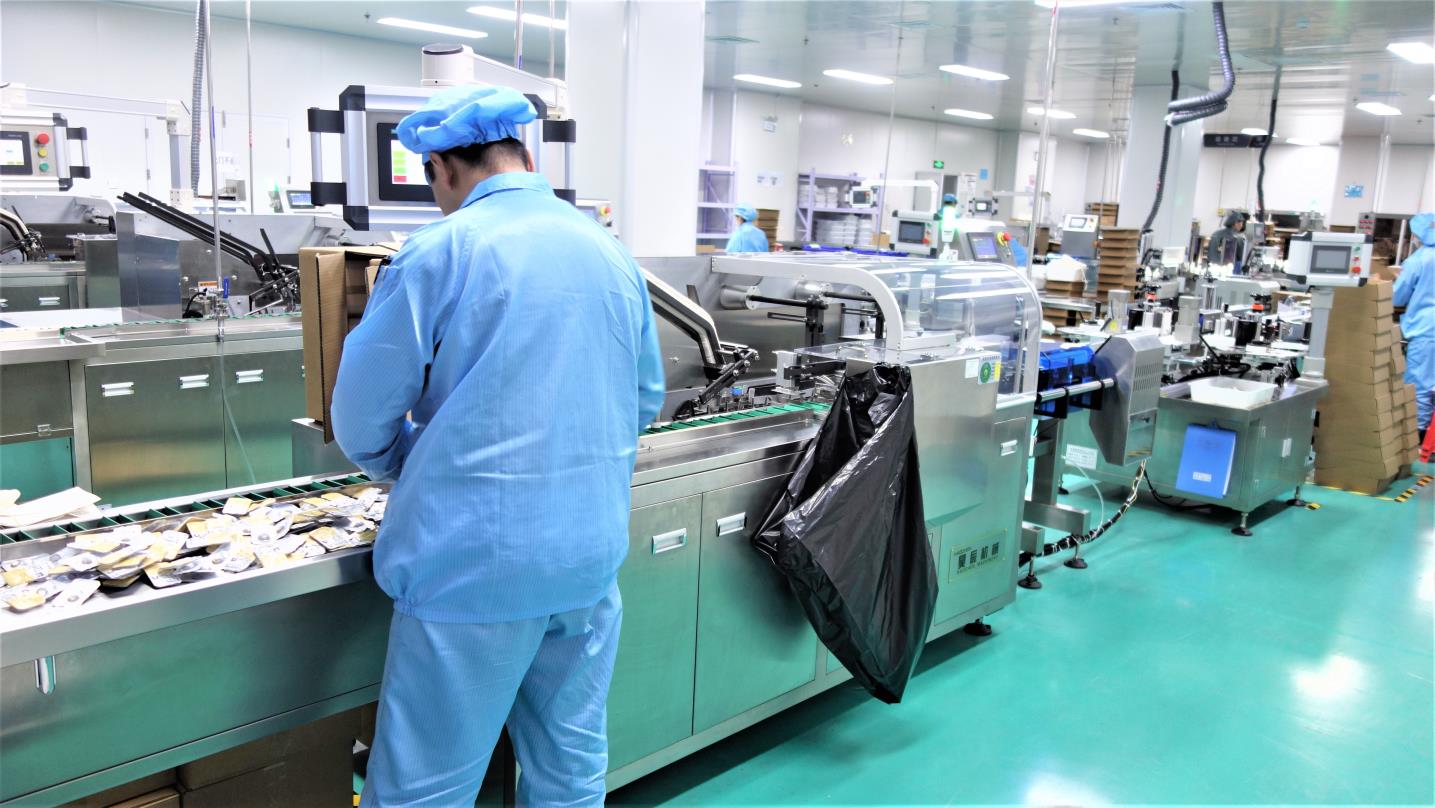 Final Packing
Quality Control (QC) is performed at every station. Our Outgoing Quality Control (OQC) involves a final 100% inspection of optical power, diameter, and base curve, ensuring zero-defect delivery to our international distributors.
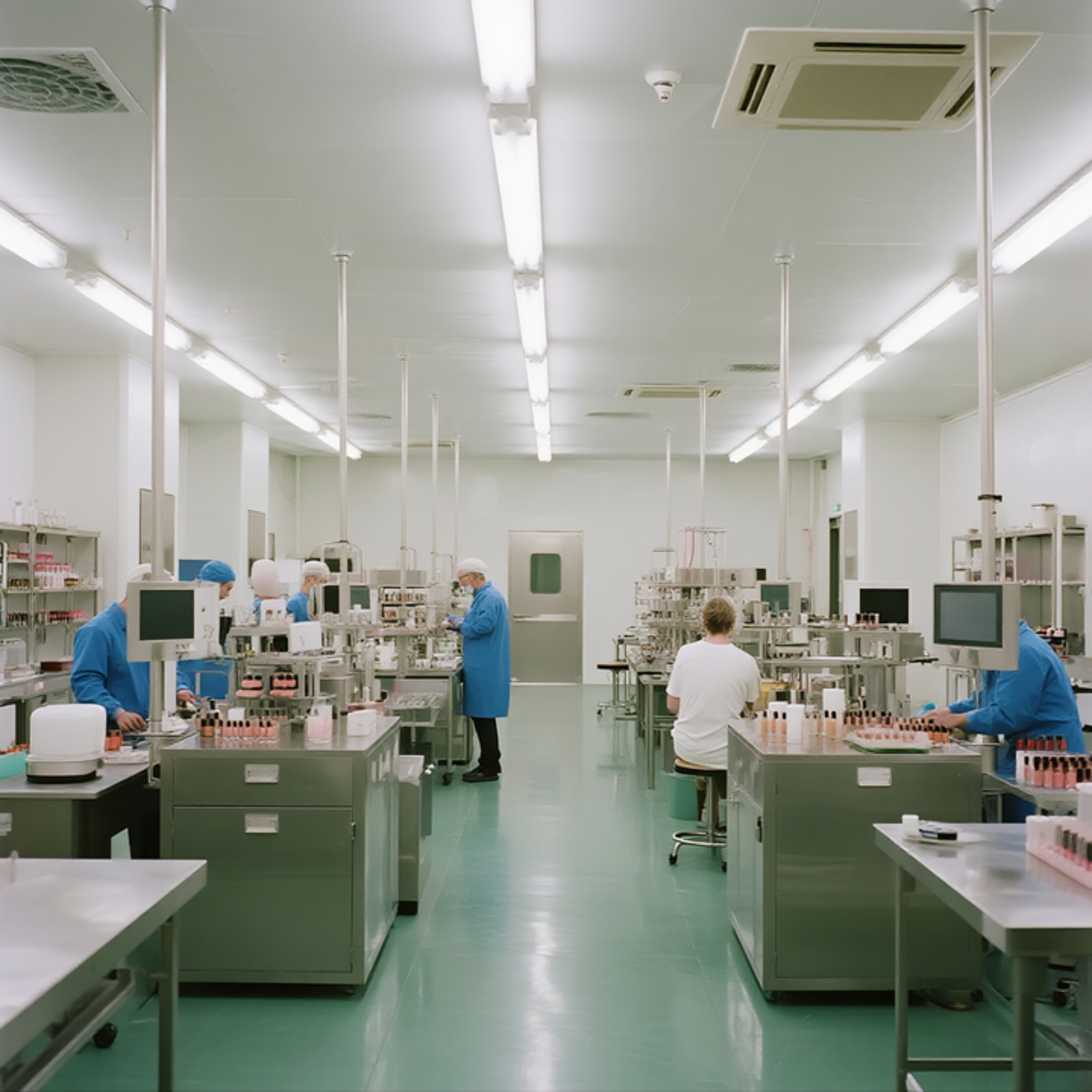
Our facility houses high-end equipment including the Demoulding Machine, Film Suction Machine, and Sterilization Cabinet. This automation minimizes human error and guarantees a hygienic environment exceeding standard medical device requirements.
Dewy Lenses is currently researching the integration of moisture-releasing agents within the lens matrix. This "Active Healing" technology will provide sustained relief for chronic dry eye patients, moving beyond passive protection to active therapy.
We are transitioning our packaging and production waste management to a circular economy model. By 2026, we aim to reduce plastic waste in our packaging by 40% while maintaining the sterile integrity of our lens cartons.
We provide full regulatory support for our global partners, including CE, ISO, and local health authority documentation. Our team offers localized marketing assets and technical training to ensure your clinical staff can provide the best "healing" outcomes for patients.
A: Our 27+ years of experience, combined with fully automated CNC production and a focus on therapeutic soft hydrophilic materials, allows us to provide consistent, high-quality lenses that meet medical and aesthetic "healing" needs.
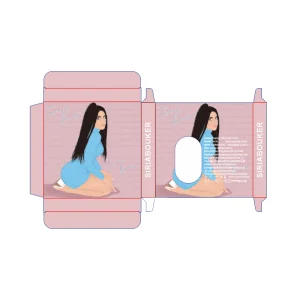
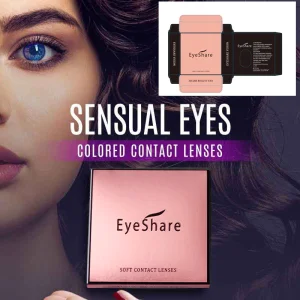
A: Yes. We offer comprehensive OEM/ODM services, including custom logo packaging, specific lens parameters, and prosthetic designs tailored to your local market requirements.
A: Semi-molding offers a superior balance between the precision of lathe-cutting and the efficiency of cast-molding. This results in better edge profiles for increased comfort and "healing" of the ocular surface.
A: They are used for corneal protection (bandage lenses), aesthetic restoration for iris defects (prosthetic lenses), and post-surgical recovery to maintain ocular surface hydration.
 Dewylenses