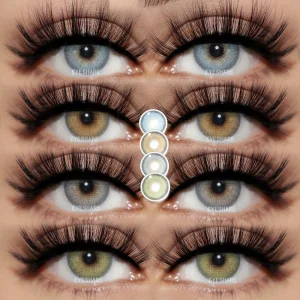
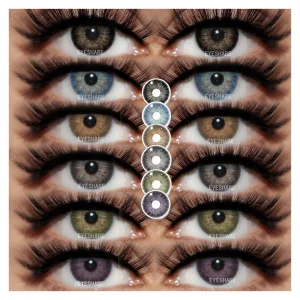
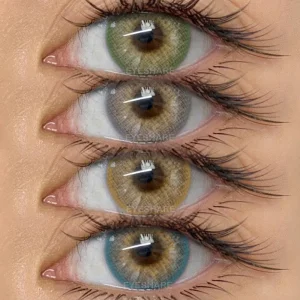
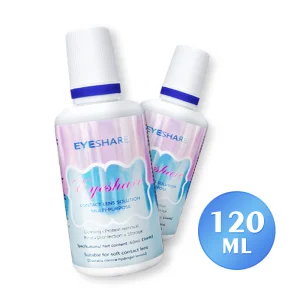
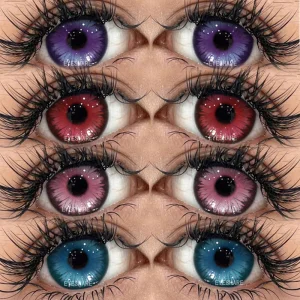
Explore our top-selling custom contact lenses designed using HEMA and advanced hydrogel materials.
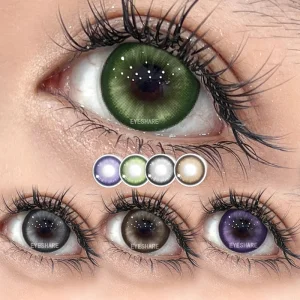
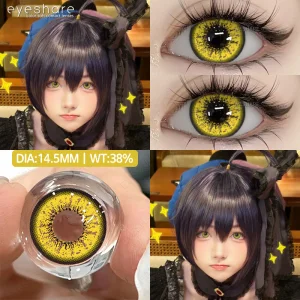
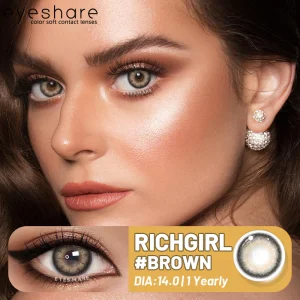
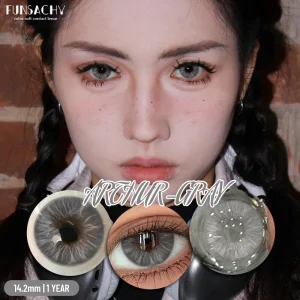
The global contact lens industry is undergoing a massive evolutionary shift. Driven by growing consumer demand for aesthetic enhancement, refractive correction, and convenient vision solutions, bulk contact lens manufacturing has expanded beyond traditional boundaries. No longer just a functional medical device, contact lenses have integrated heavily into fashion, cosplay, and beauty markets globally.
As retail models transition to e-commerce and specialized optical brands, B2B buyers require agile custom OEM manufacturers capable of delivering consistent material safety, diverse design parameterizations (base curve, diameter, water content), and strict compliance with medical classifications (CE, FDA MDR).
China has solidified its position as the premier global supply hub for medical-grade contact lenses. By blending state-of-the-art mold automation, lower supply chain overhead, and rigorous regulatory adherence, Chinese factories offer unparalleled scale efficiency. The core competitive edge lies in high-volume, highly accurate cast molding and semi-molding processes that match global quality demands at optimized production costs.
This allows international brands, distributors, and ophthalmology lines to secure optimal margins while maintaining exceptional compliance safety records. The end result is a highly reliable supply chain from raw monomer formulation to sterilized blister packing.
Understanding polymer materials is vital when purchasing bulk lenses. The industry standard hinges on hydrophilic materials such as HEMA (Hydroxyethylmethacrylate) copolymers. These materials absorb high percentages of water, providing a soft, flexible barrier that contours to the cornea without compromising tear-film oxygen exchange.
Modern cosmetic and corrective lenses balance high hydration percentages (often 38% to 42% or higher) with thin center cross-sections. This minimizes hypoxia risks while maximizing optical transmission. Our factory prioritizes material purity to prevent ocular irritation, ensuring comfort over extended wearing periods.
Established in 1996, Guangzhou Dewy Lenses Co., Ltd. is a leading national high-tech enterprise integrating product design, research, and large-scale production of premium soft contact lenses and care products.
Our commitment to excellence ensures every lens meets the highest standards of comfort, clarity, and safety. As a pioneer in the industry, we have dedicated over 28 years to improving optical health and color innovation.
Equipped with fully automatic CNC production lines, we utilize an advanced semi-molding process that organically unifies lens appearance and formability. We cater to diverse market needs, offering premium yearly, half-yearly, and daily disposable lenses, ensuring that global partners obtain reliable, high-yield solutions under one roof.
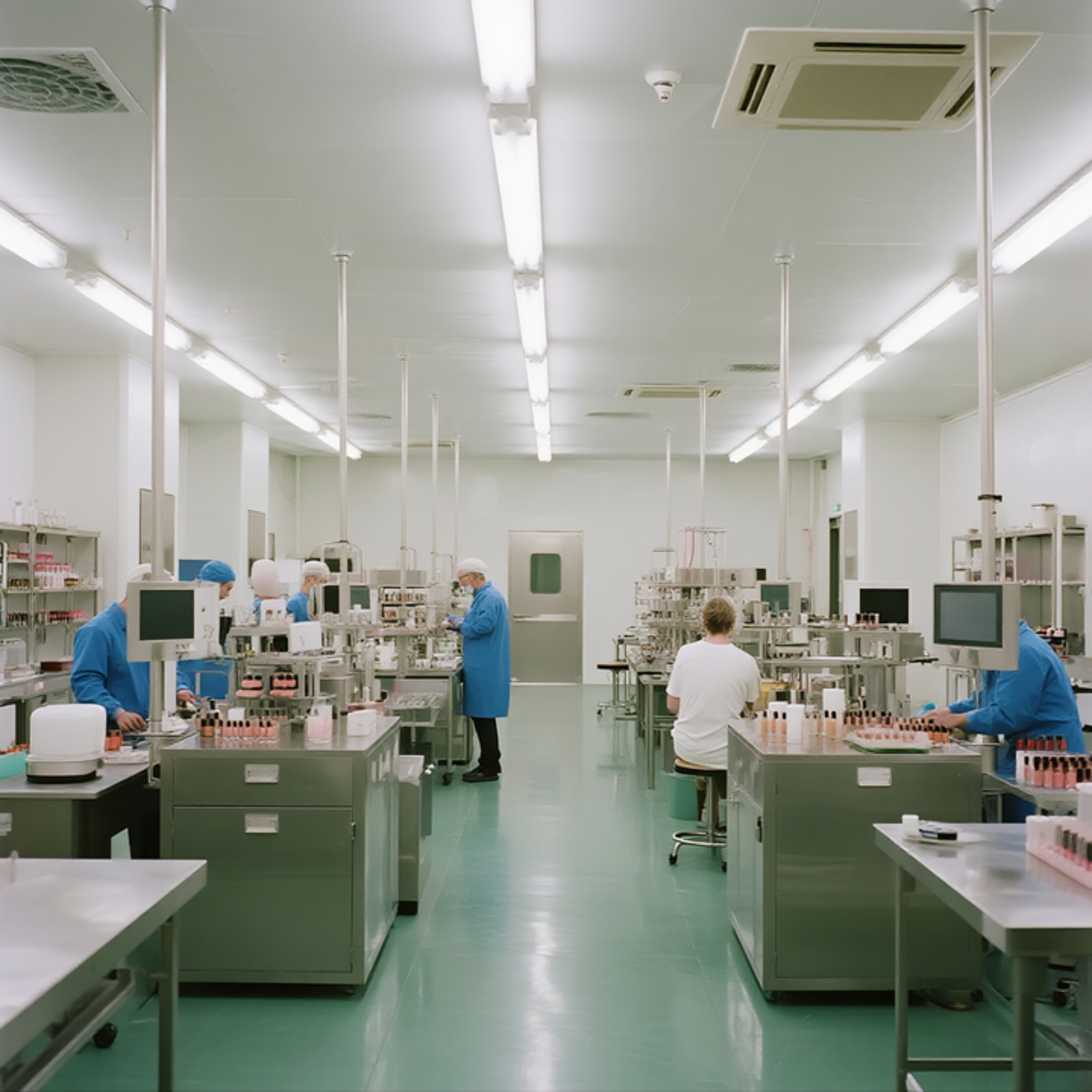
From raw monomer molding to optical inspection, explore the precise 14-step manufacturing system driving Guangzhou Dewy Lenses Co., Ltd.
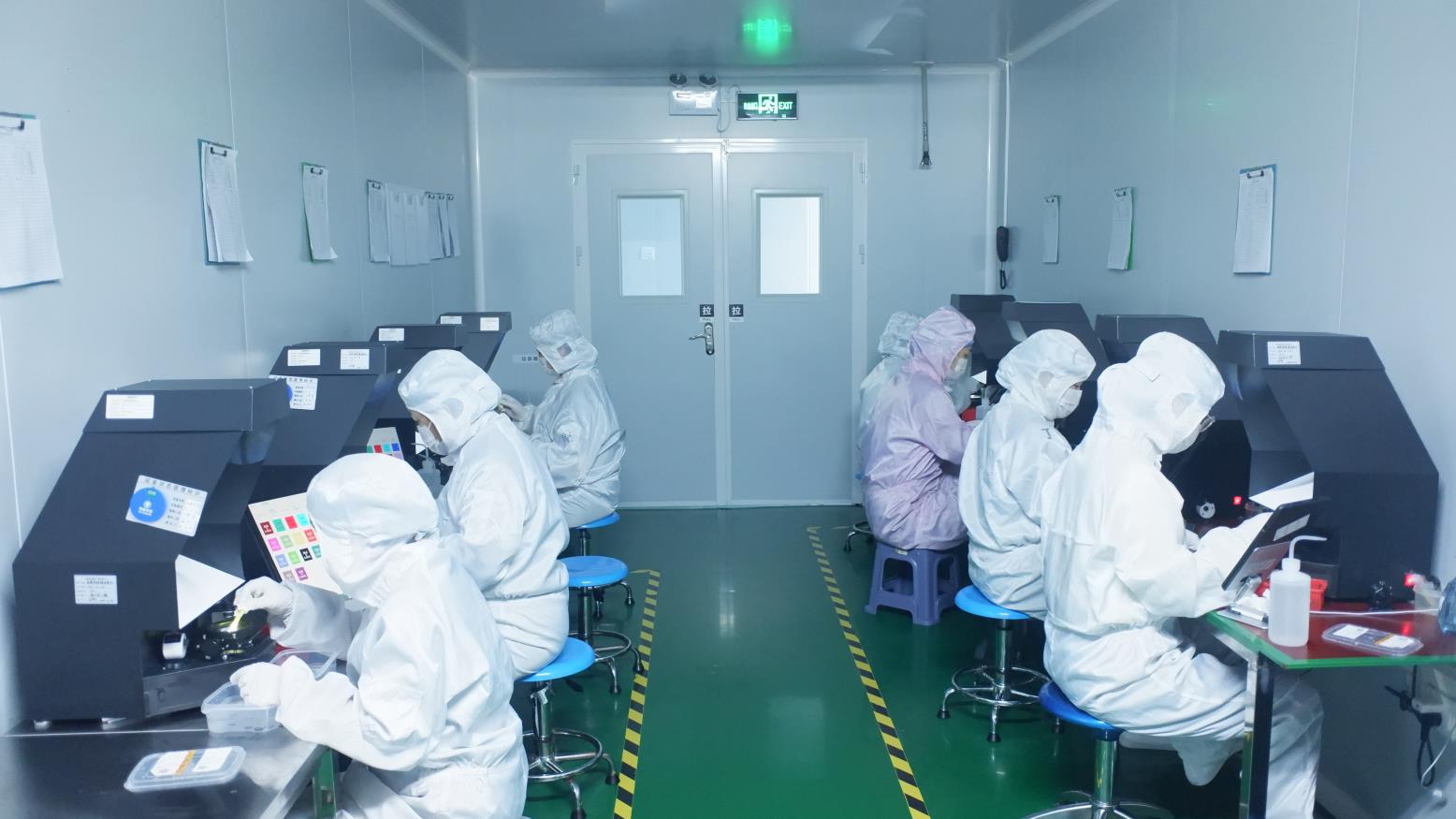
Incoming materials and raw monomers are tested for polymerization properties, consistency, and chemical purity.
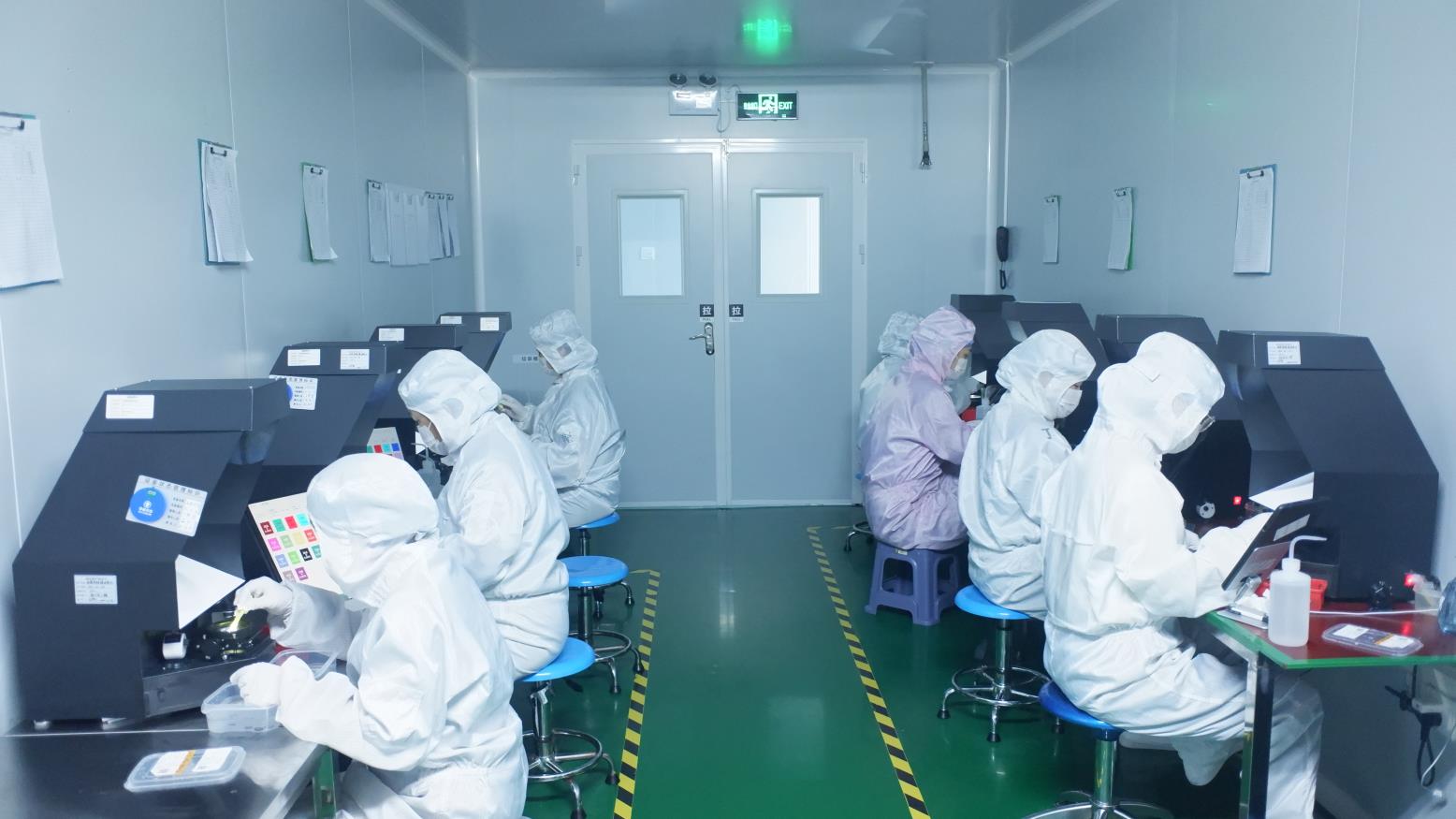
Custom precise base curves are designed to ensure comfort for different ocular profiles worldwide.
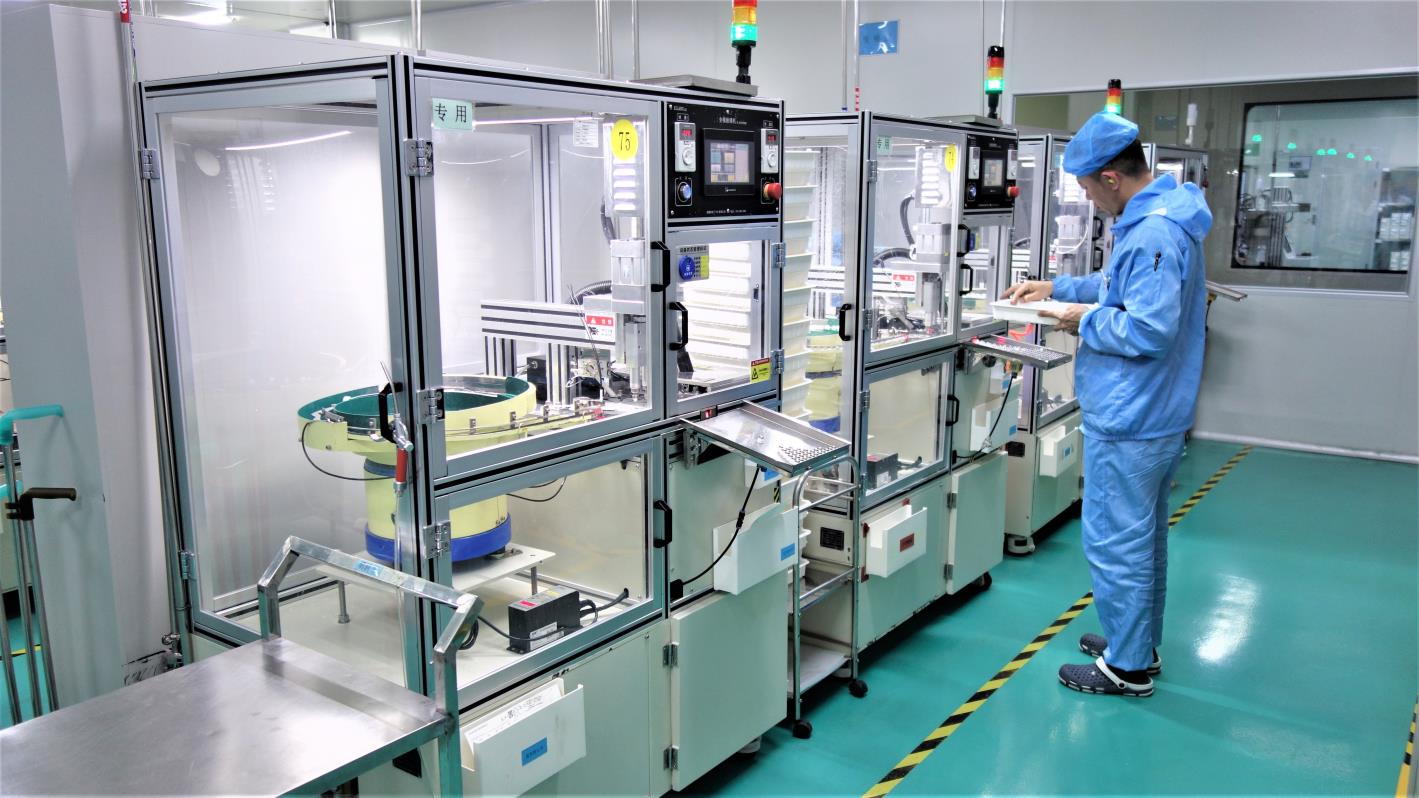
Separation of the polymer lens from the casting tool, maintaining structural integrity without micro-tears.
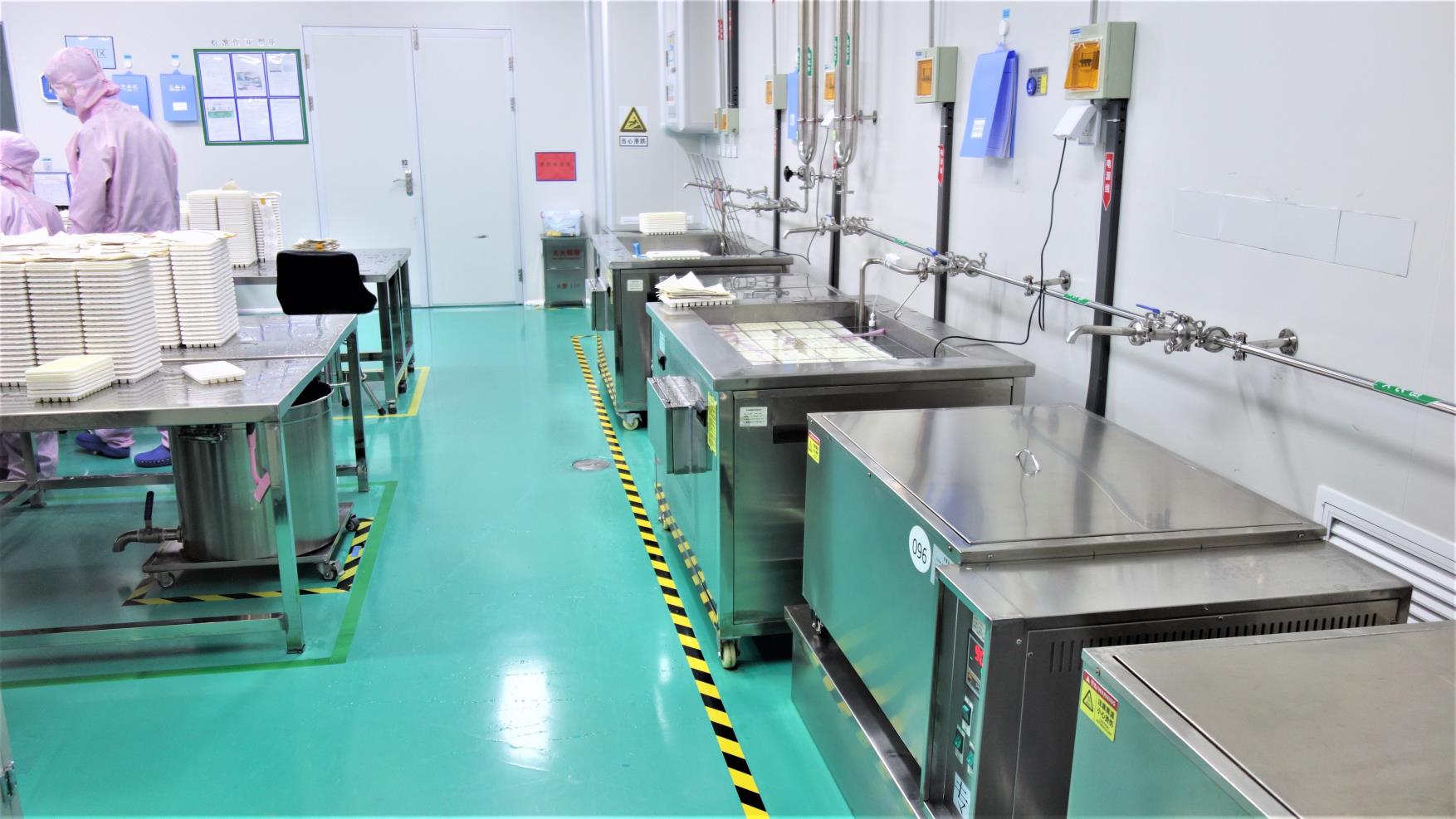
Lenses soak in saline solution to hydrate completely, expanding to target dimensions under temperature control.
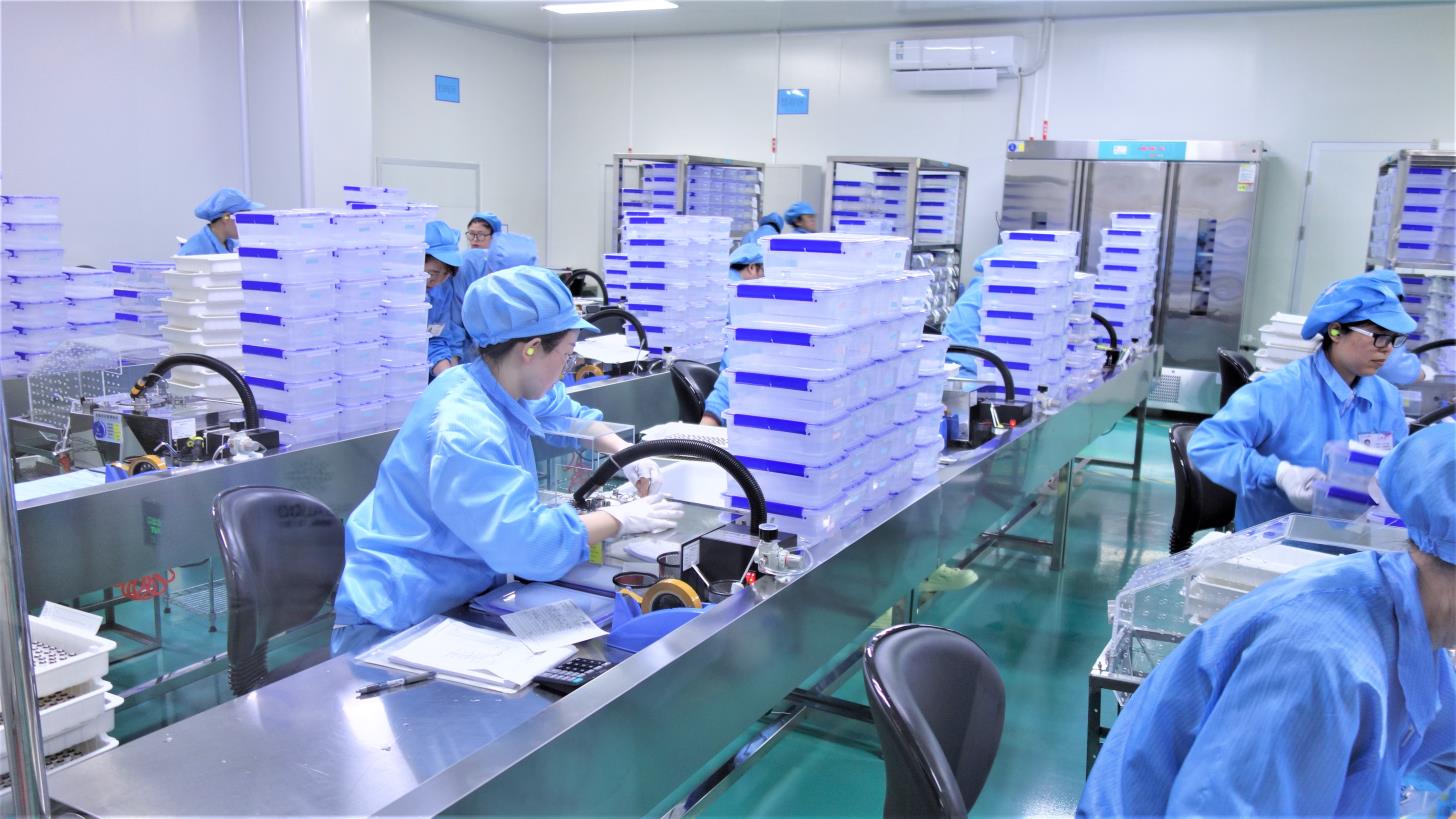
Pneumatic suction heads transfer wet lenses smoothly into carriers for further processing and cleaning.
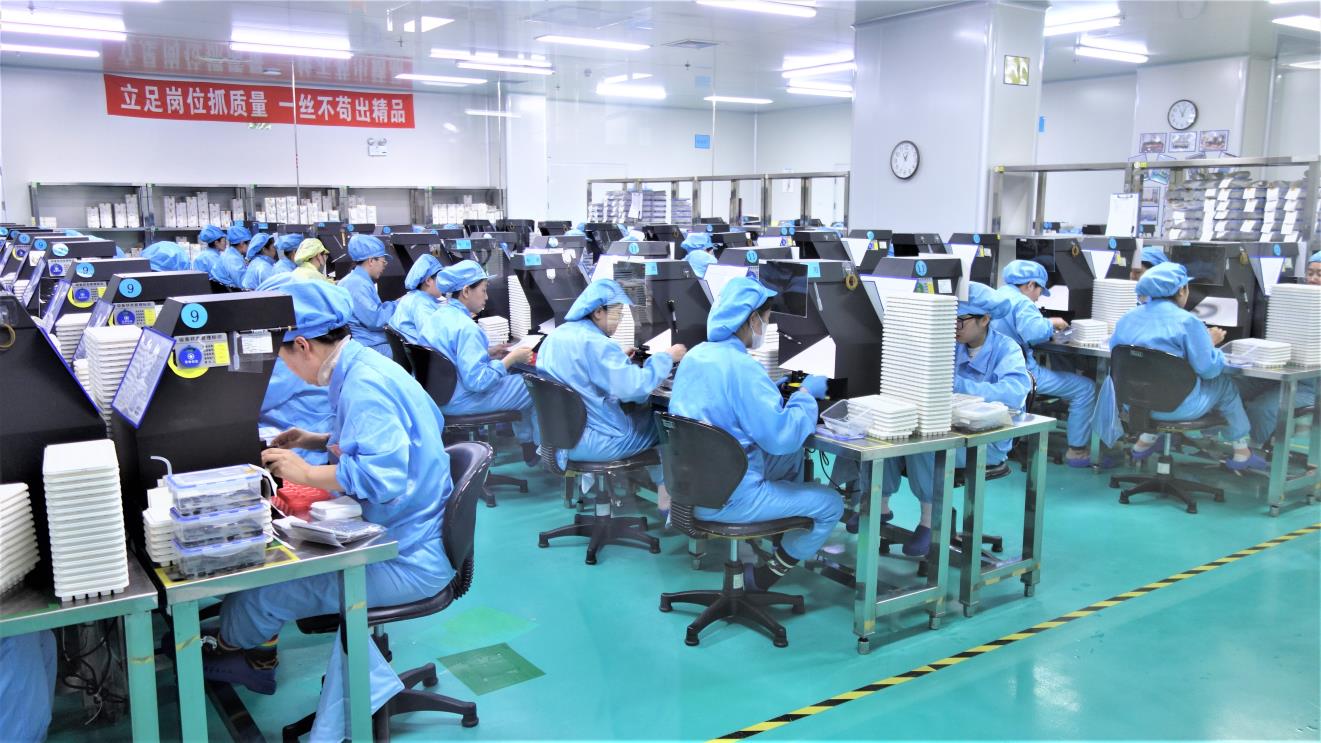
Lenses undergo detailed optical projection inspections to weed out bubbles, edge defects, or surface scratches.
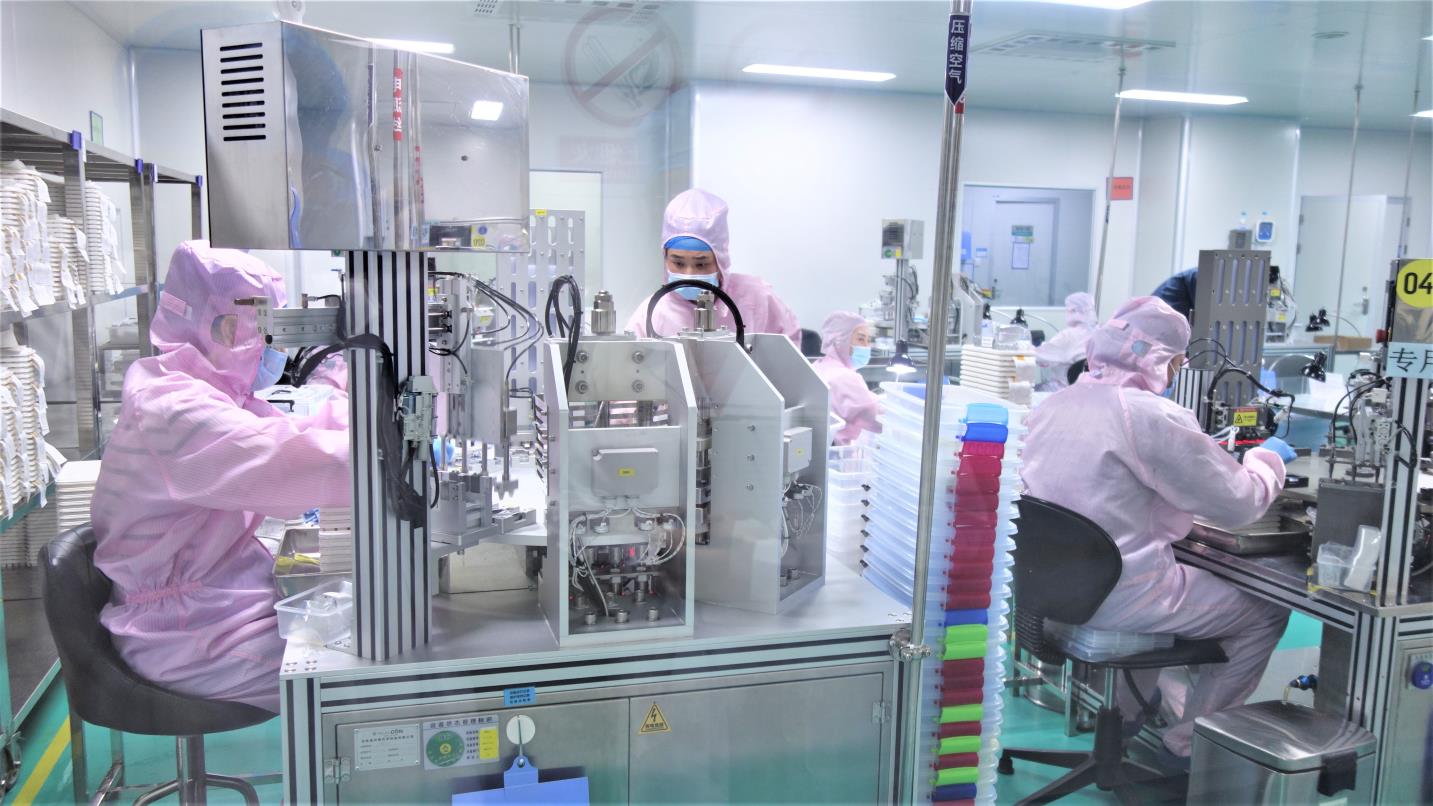
Precise doses of buffered saline solution are filled into single-packaging wells to keep lenses hydrated and sterile.
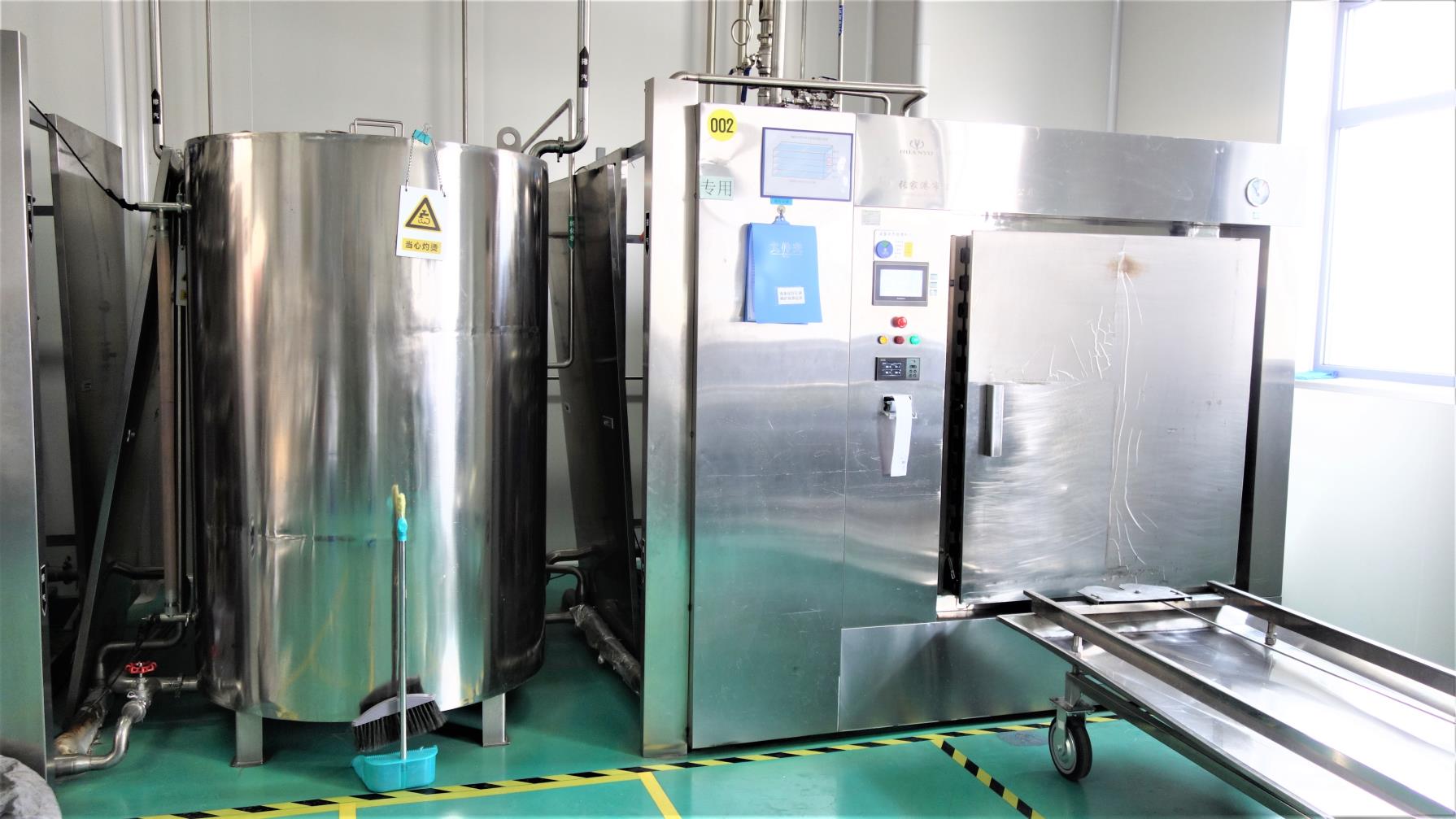
Sealed packs undergo thermal steam sterilization to destroy microbes, guaranteeing medical-grade hygiene.
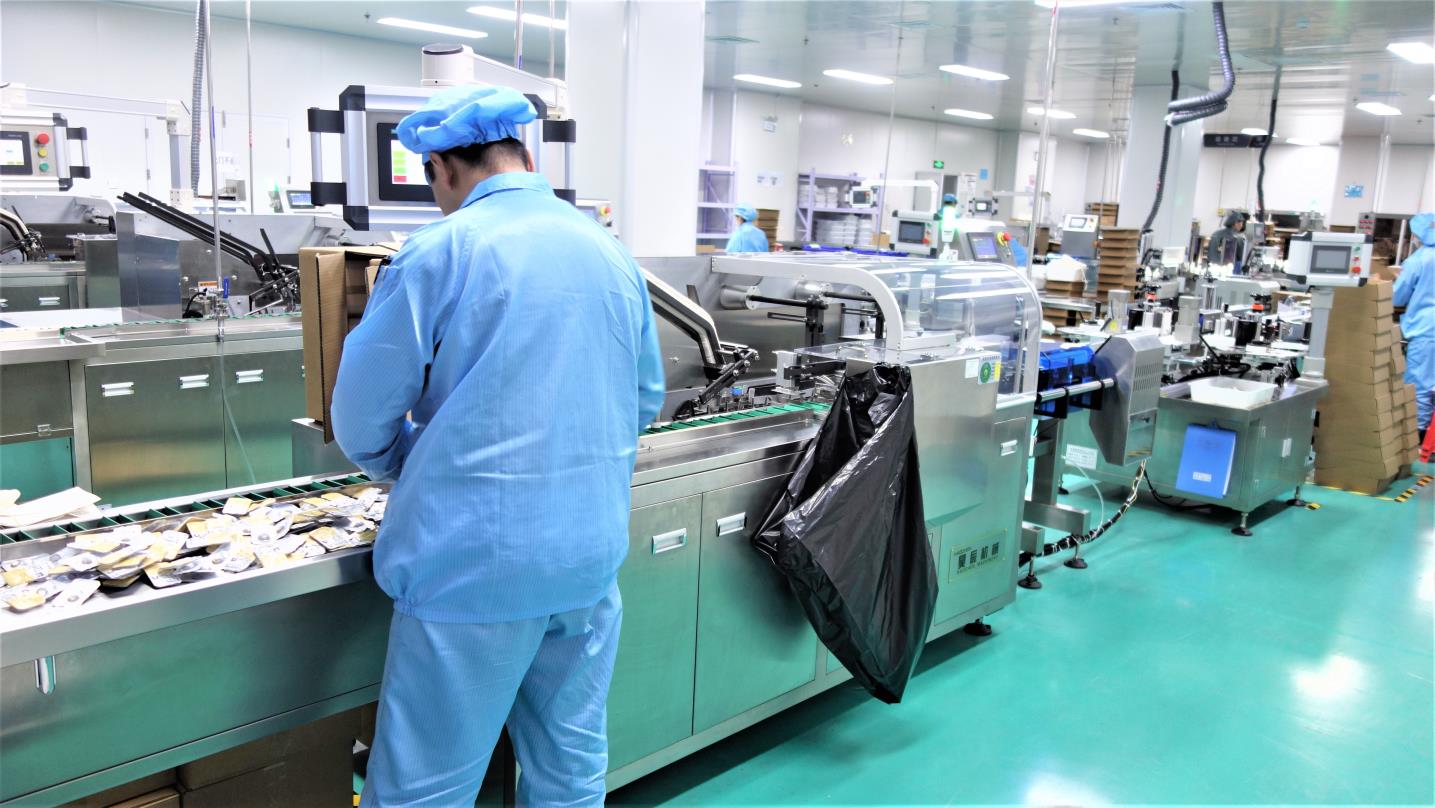
Automated packaging inserts lenses into individual cosmetic or prescription box cartons with batch codes.
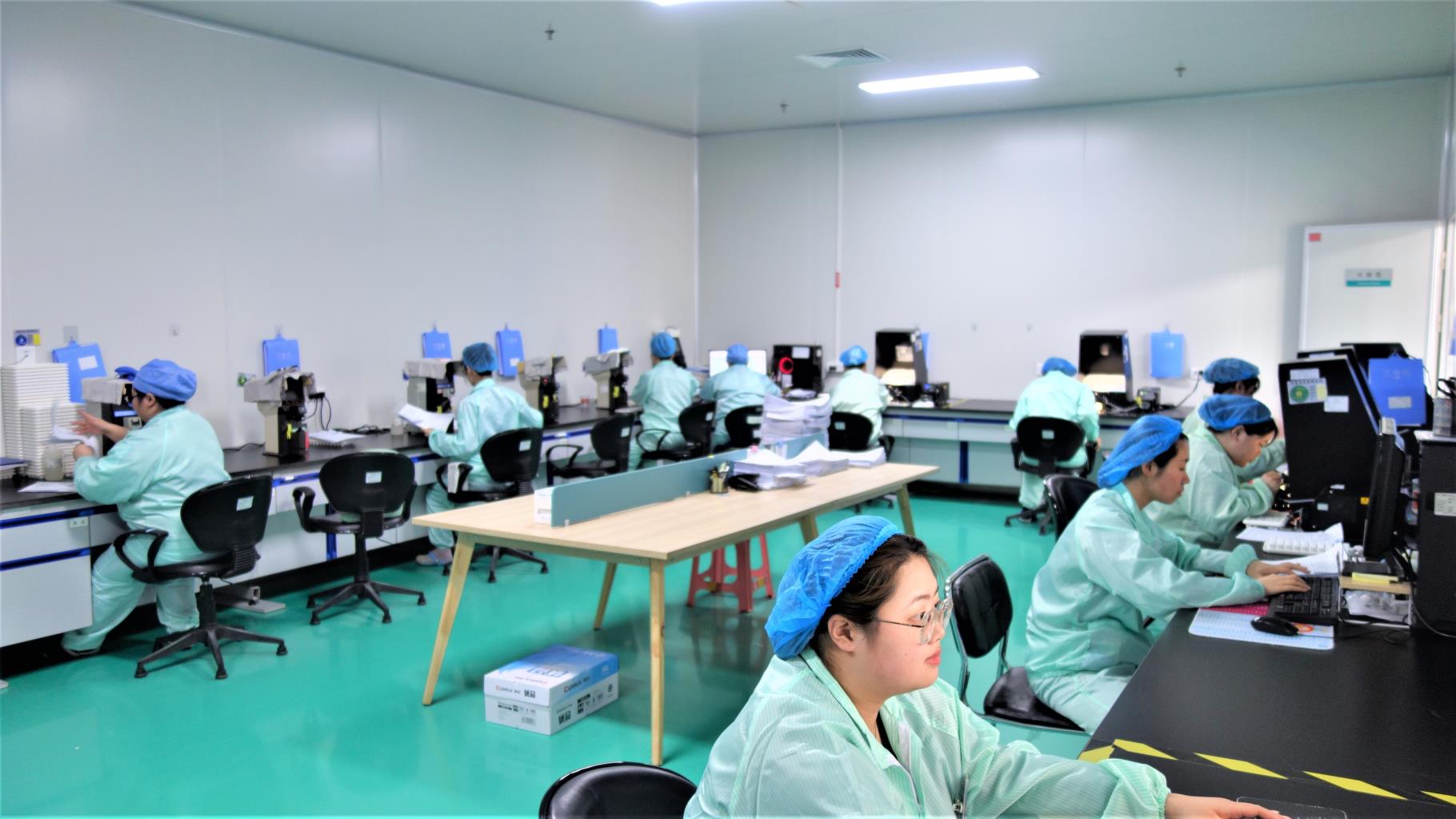
Final random sampling tests checking barcode clarity, sterile seal reliability, and parameter compliance.
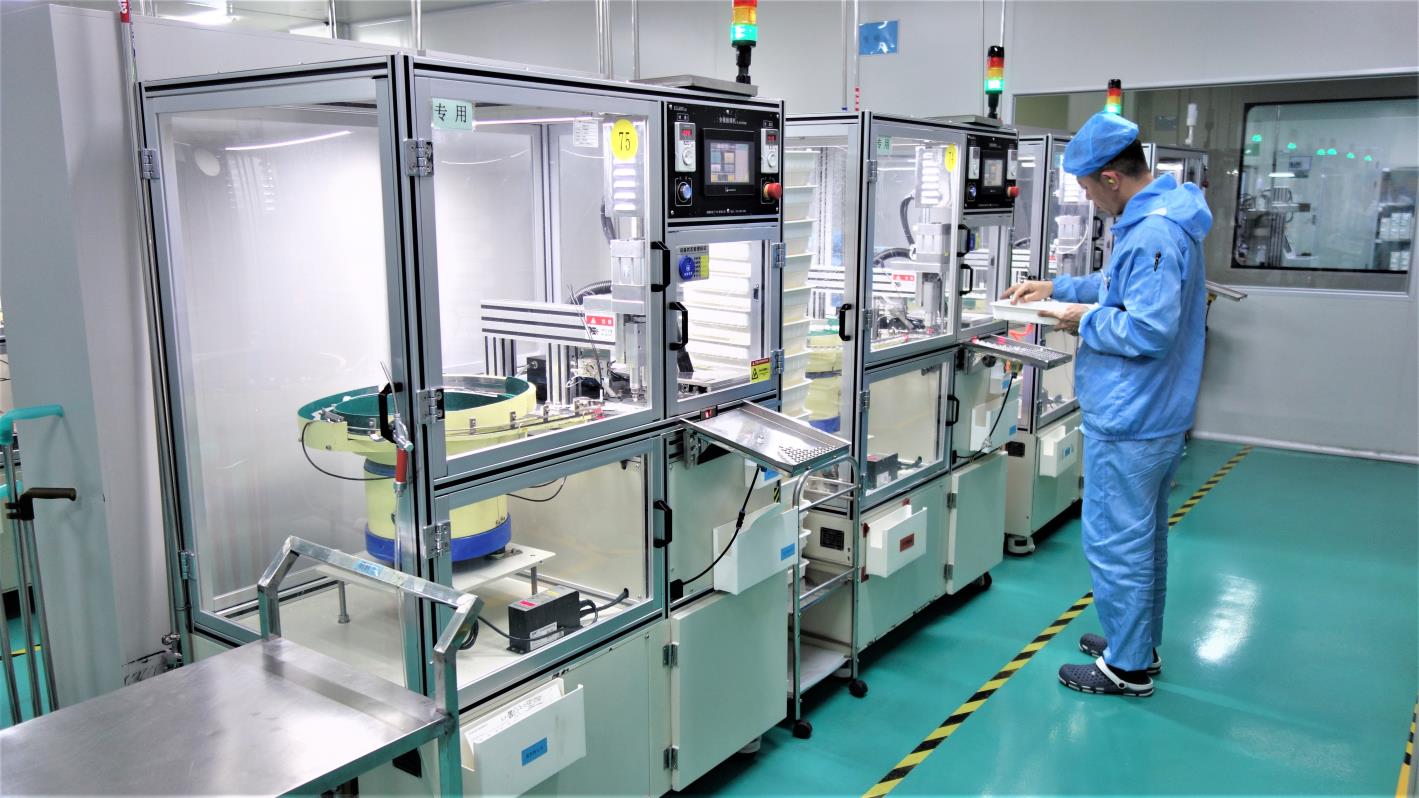
A fast, repeatable mechanical separation device designed to ensure continuous high-yield output.
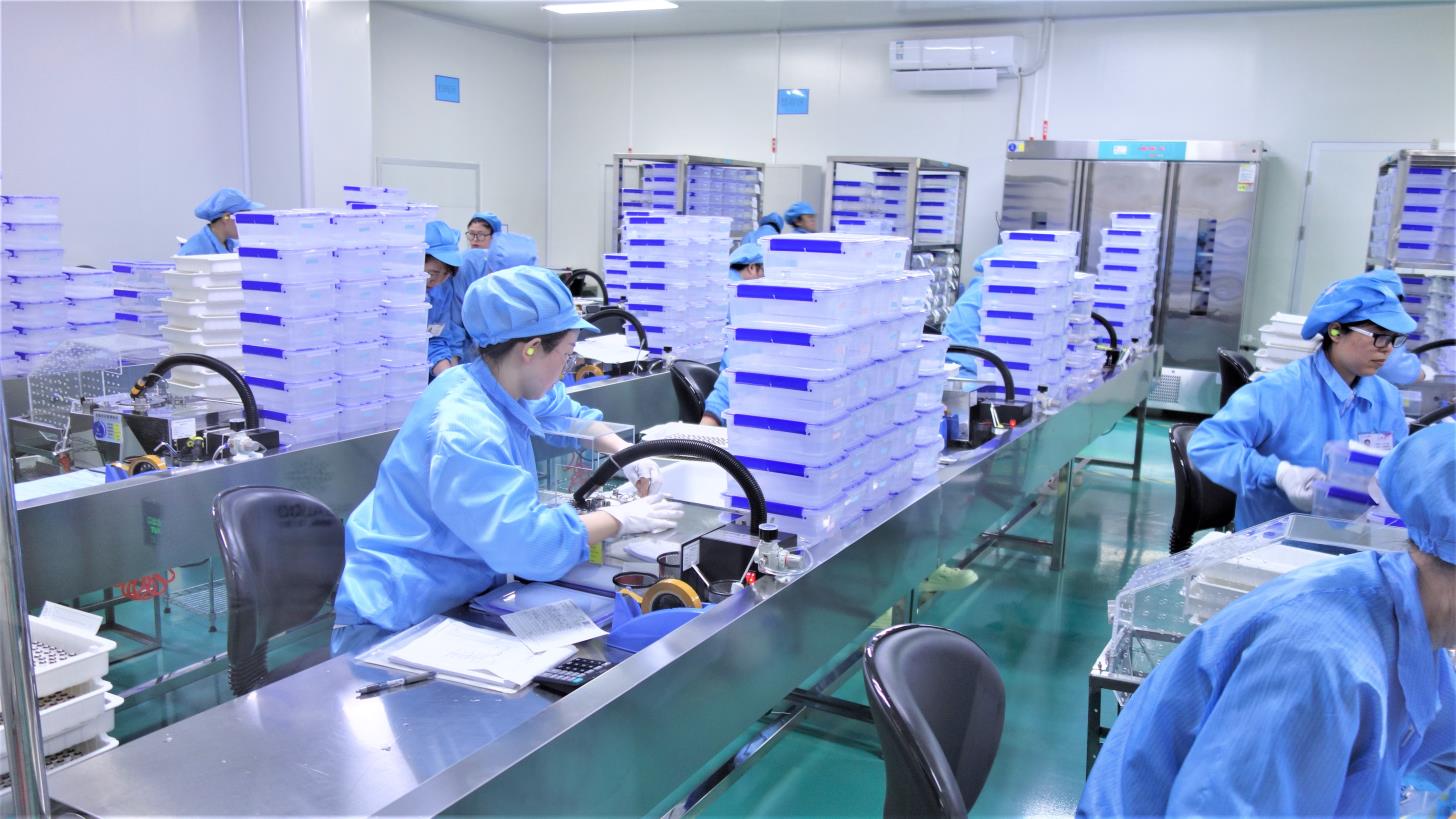
Advanced vacuum handling to transfer delicate materials safely, avoiding static charge and dust contamination.
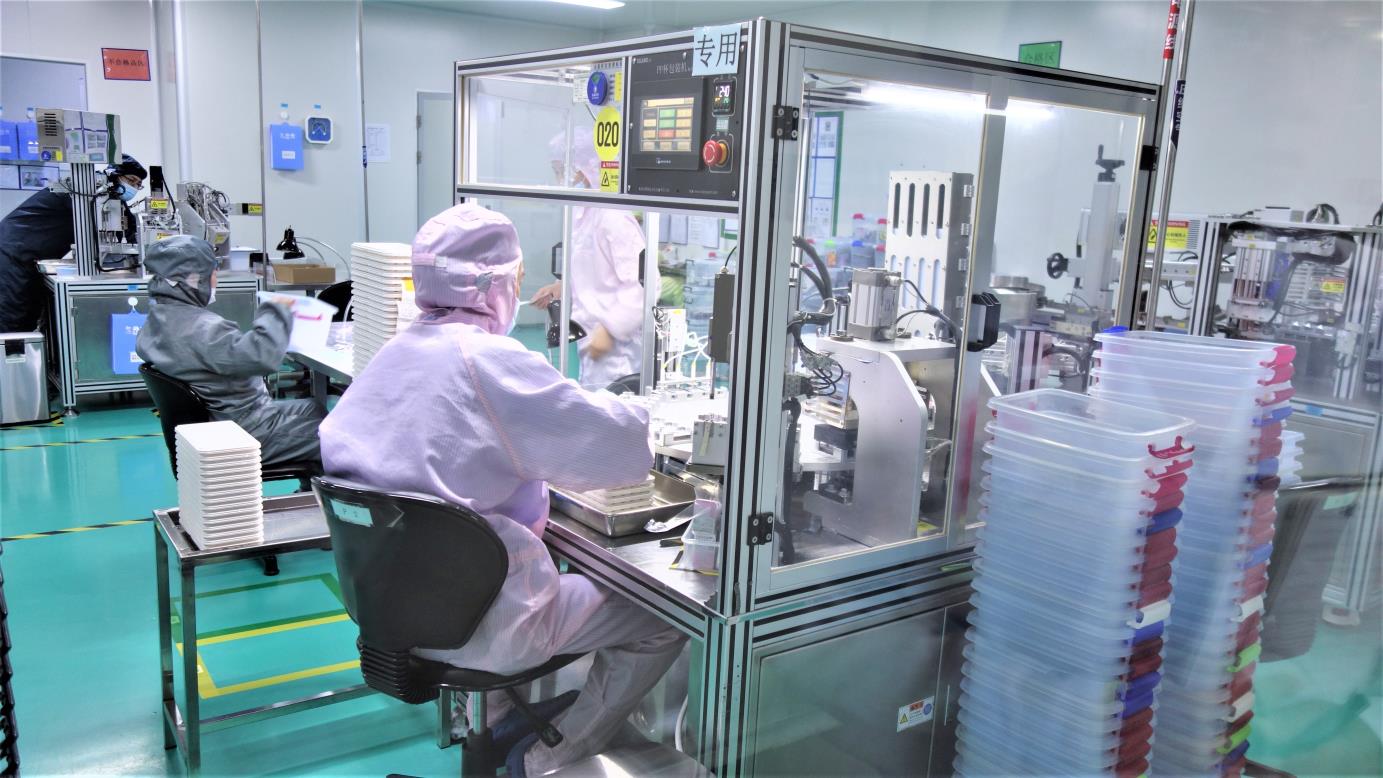
Controls salinity concentration and volume distribution levels for blister containers dynamically.
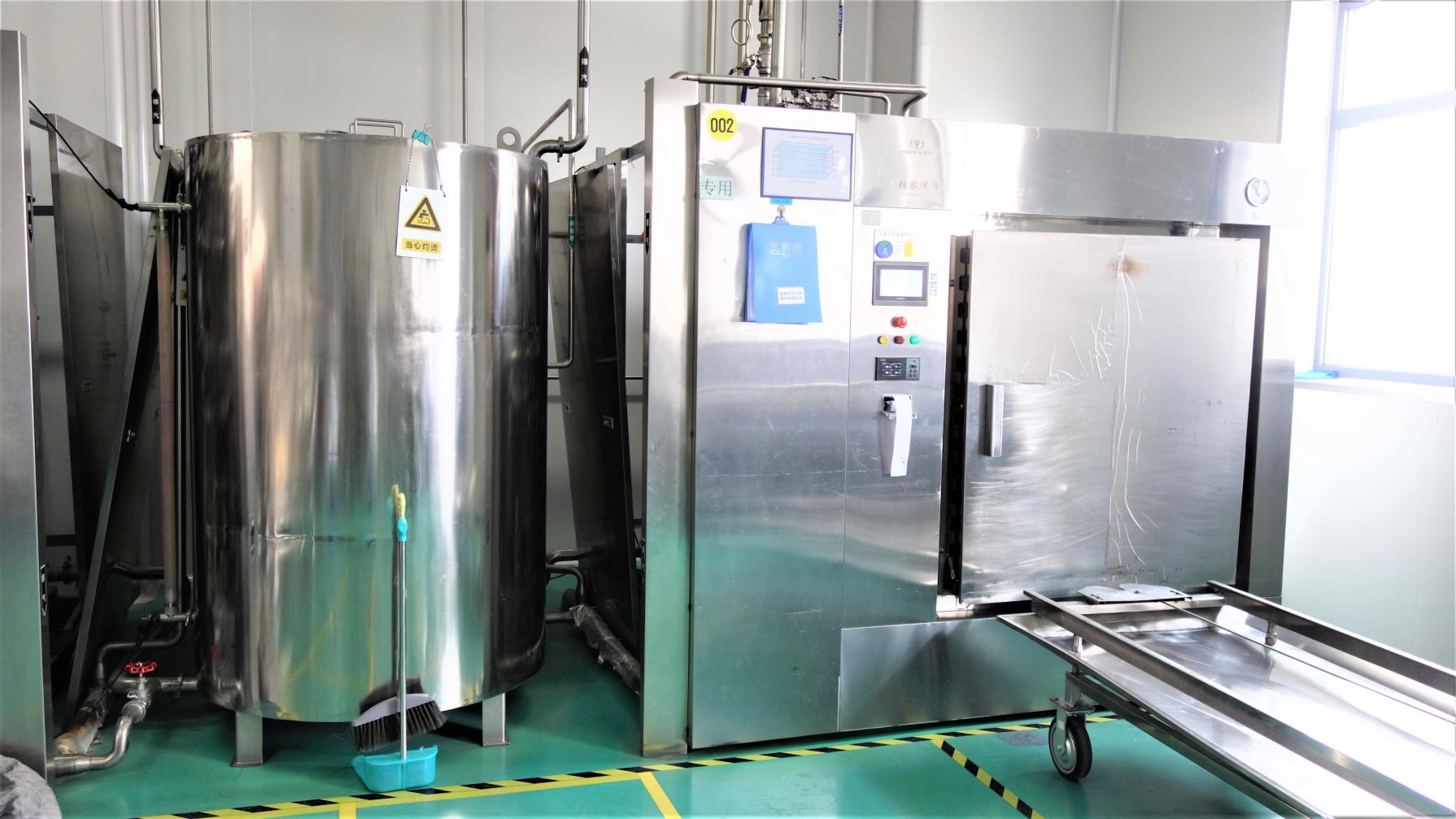
High-pressure medical autoclaving plants that stabilize packaging barrier properties against storage leakage.
Our OEM contact lens designs target several lucrative retail niches:
Global brands demand a partner capable of executing private-label packaging options that scale with consumer growth. Key logistics and supply requisites include:
The transition toward eco-friendly packaging and daily disposable models is accelerating. Furthermore, technological developments in material science include:
Clear answers on bulk sourcing, custom OEM setups, material choices, and regulatory compliance standards.
The MOQ for custom color contact lenses and private logo carton packaging typically starts at 1,000 to 3,000 pairs, depending on colors and parameter configurations. We support brands with lower sample runs during early design phases to evaluate market reaction before moving to high-volume manufacturing.
We use a sandwich-molding process where color pigments are sealed inside the middle polymer layer of the contact lens. This prevents the inks from coming into direct contact with the cornea or palpebral conjunctiva, eliminating chemical leeching risks and ensuring comfort.
Yes. HEMA (Hydroxyethylmethacrylate) polymers retain a controlled level of hydration (typically around 38% to 42%). By managing this hydration level, the lenses resist dehydration under dry conditions, preventing them from pulling natural moisture away from the wearer's tears.
Guangzhou Dewy Lenses Co., Ltd. processes manufacturing strictly under ISO 13485 (Medical Devices Quality Management Systems). Our products are CE certified, ensuring compliance with strict European medical device directives and allowing clean importation into international markets.
We specialize in a wide range of wearing options, including daily disposables for high hygiene and convenience, half-yearly use soft designs, and yearly replacement lenses for maximum budget economy.
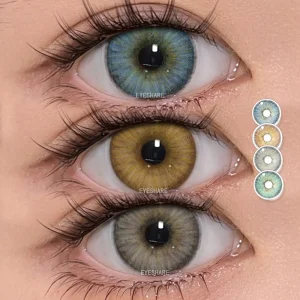
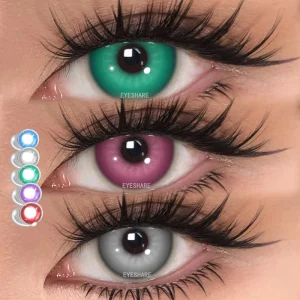
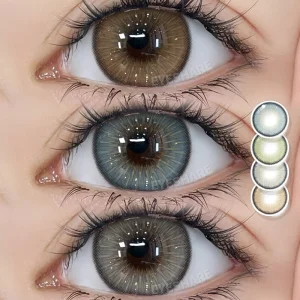
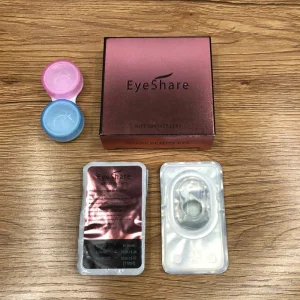
Select specific designs for packaging customization, volume wholesaling, or custom power settings.
 Dewylenses