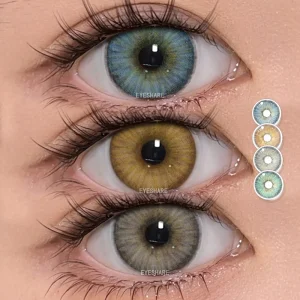
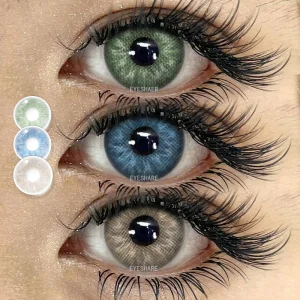
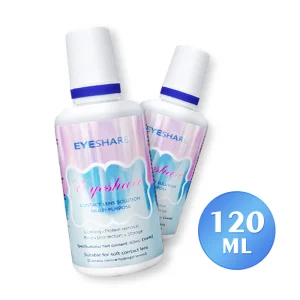
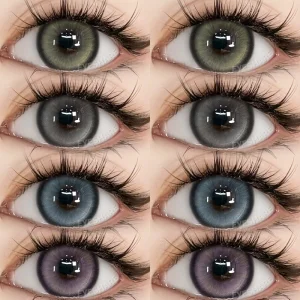
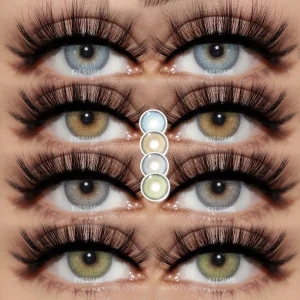
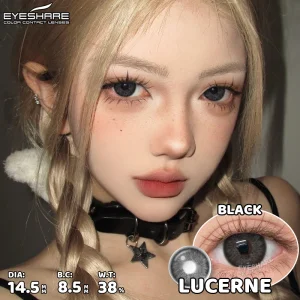
Engineered for physiological oxygen flow, structural color transitions, and premium ocular tolerance.
Engineering clinical-grade ophthalmic products backed by nearly three decades of manufacturing dominance.
Established in 1996, Guangzhou Dewy Lenses Co., Ltd. is a leading high-tech enterprise integrating product design, research, and large-scale production of premium soft contact lenses and care products. As a recognized high-tech national enterprise, we integrate product design, research, and large-scale production of soft hydrophilic contact lenses and care products. Our commitment to excellence ensures every lens meets the highest standards of comfort, clarity, and safety.
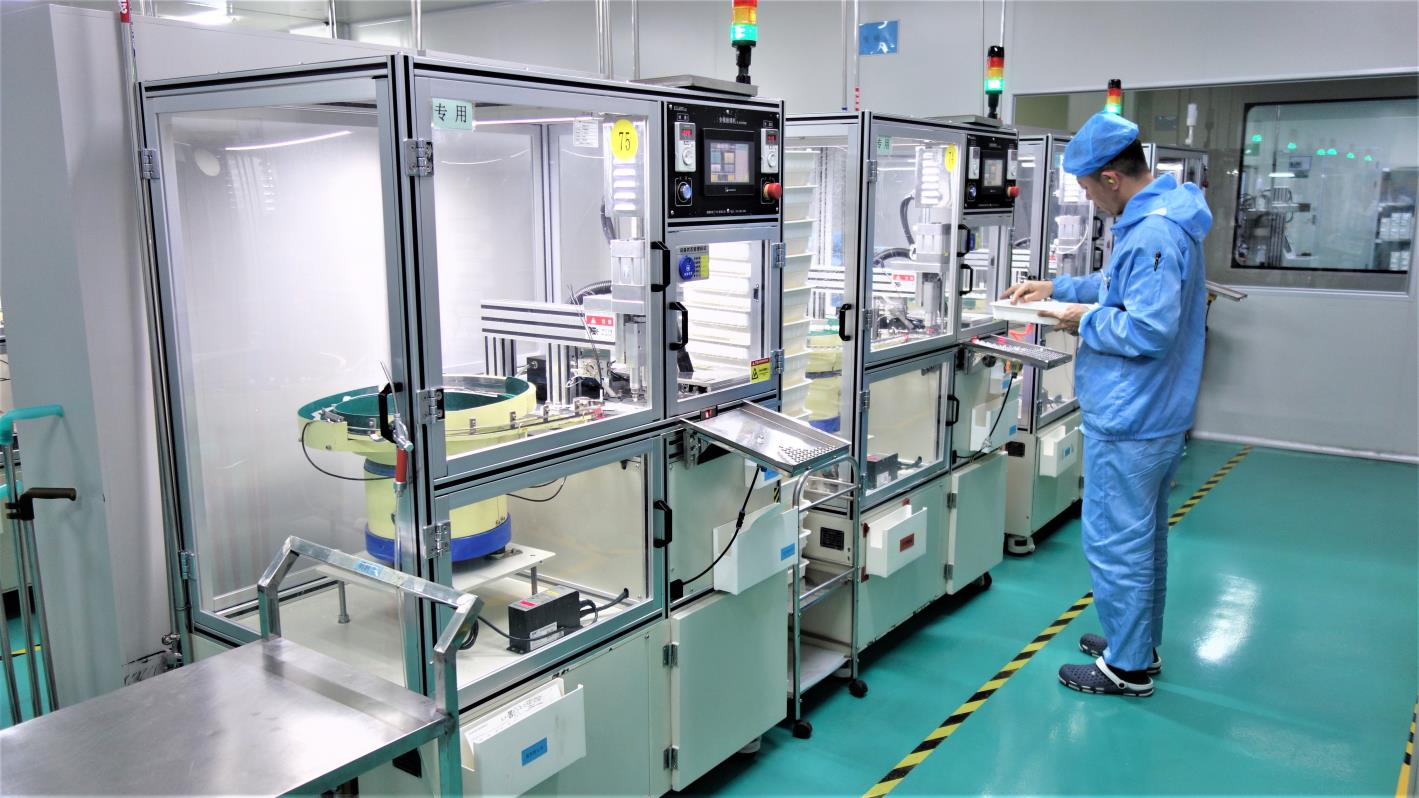
Equipped with fully automatic CNC production lines, we utilize an advanced semi-molding process that organically unifies lens appearance and formability. We cater to diverse market needs, offering premium yearly, half-yearly, and daily disposable lenses.

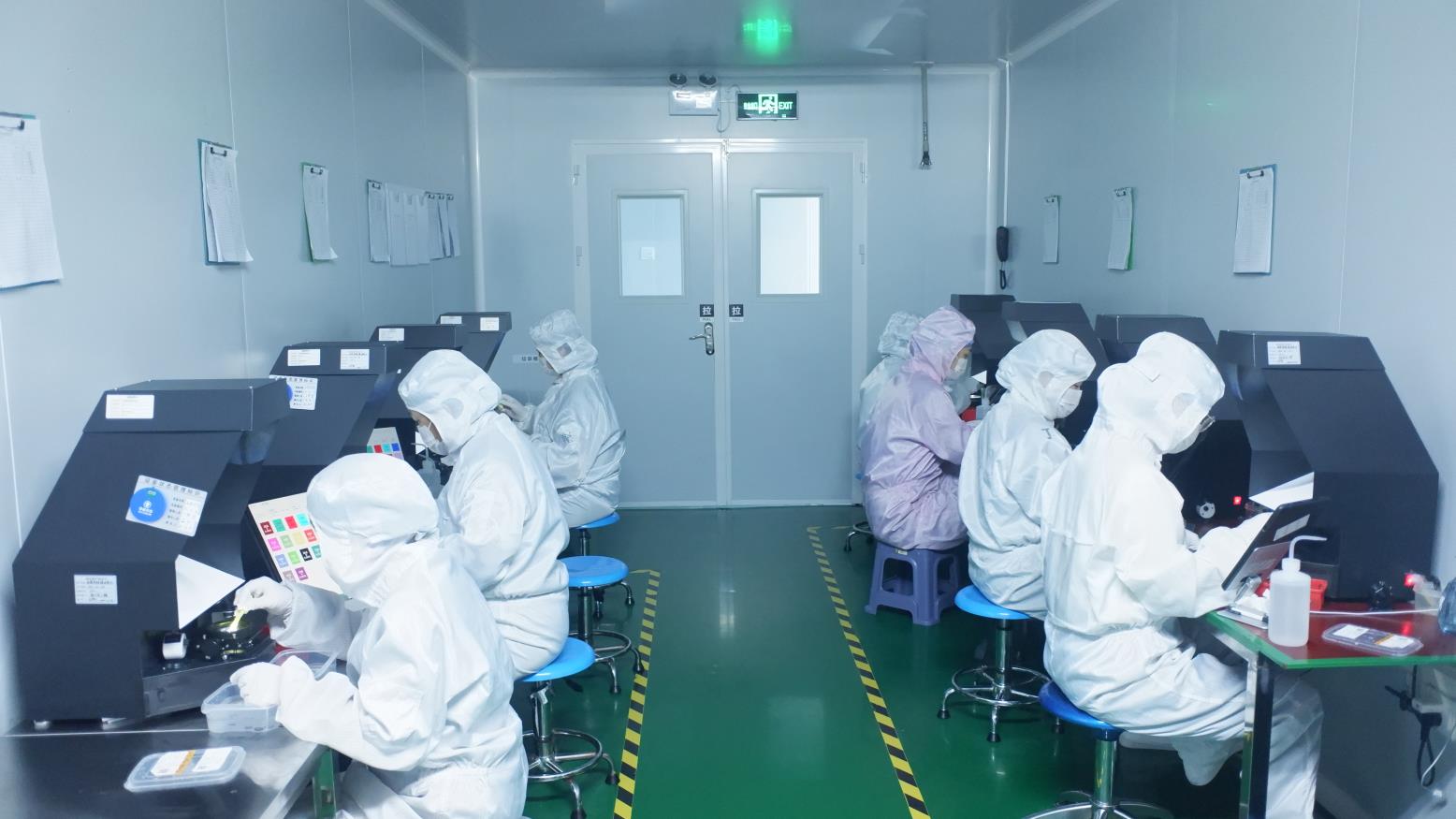
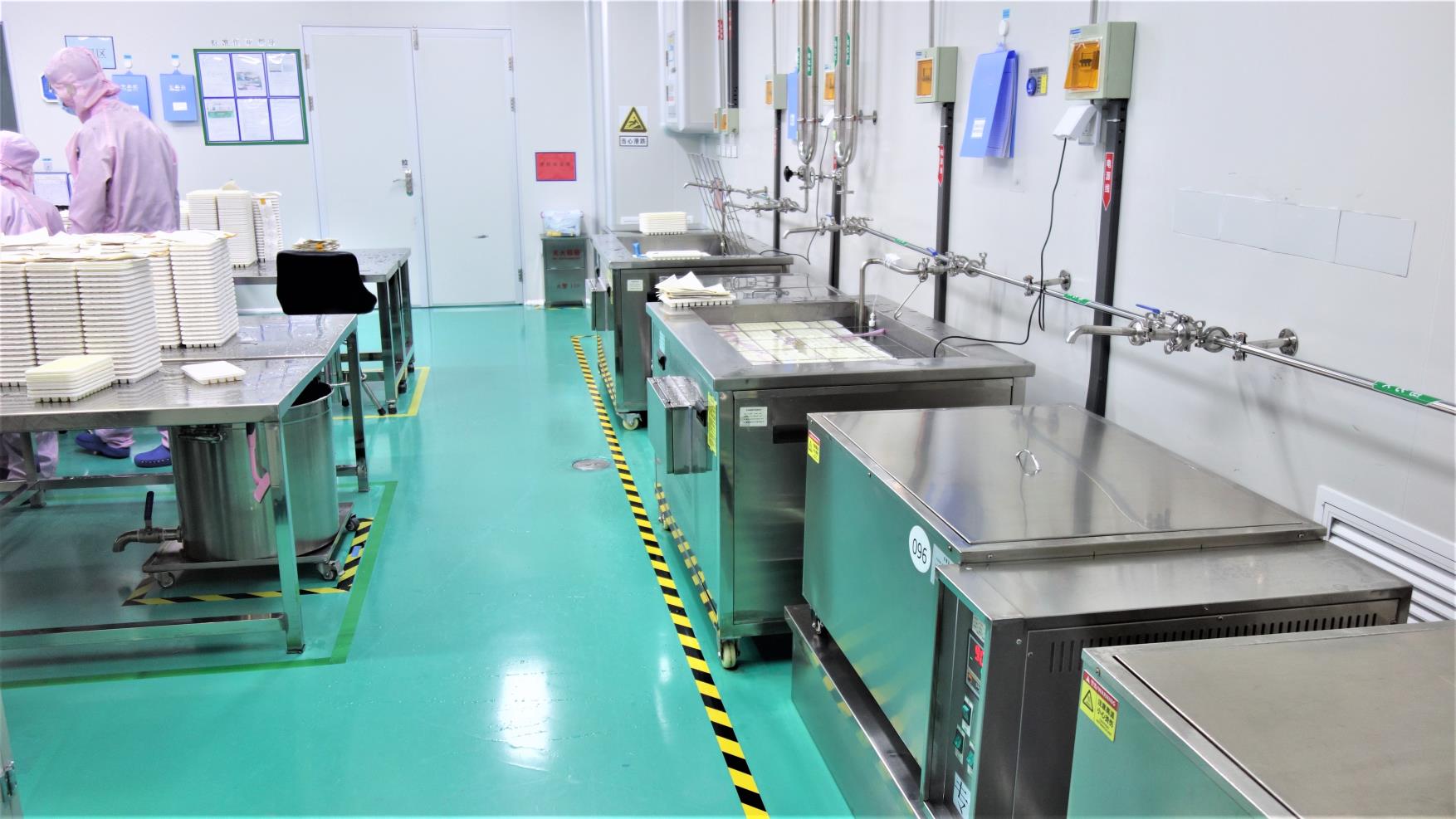
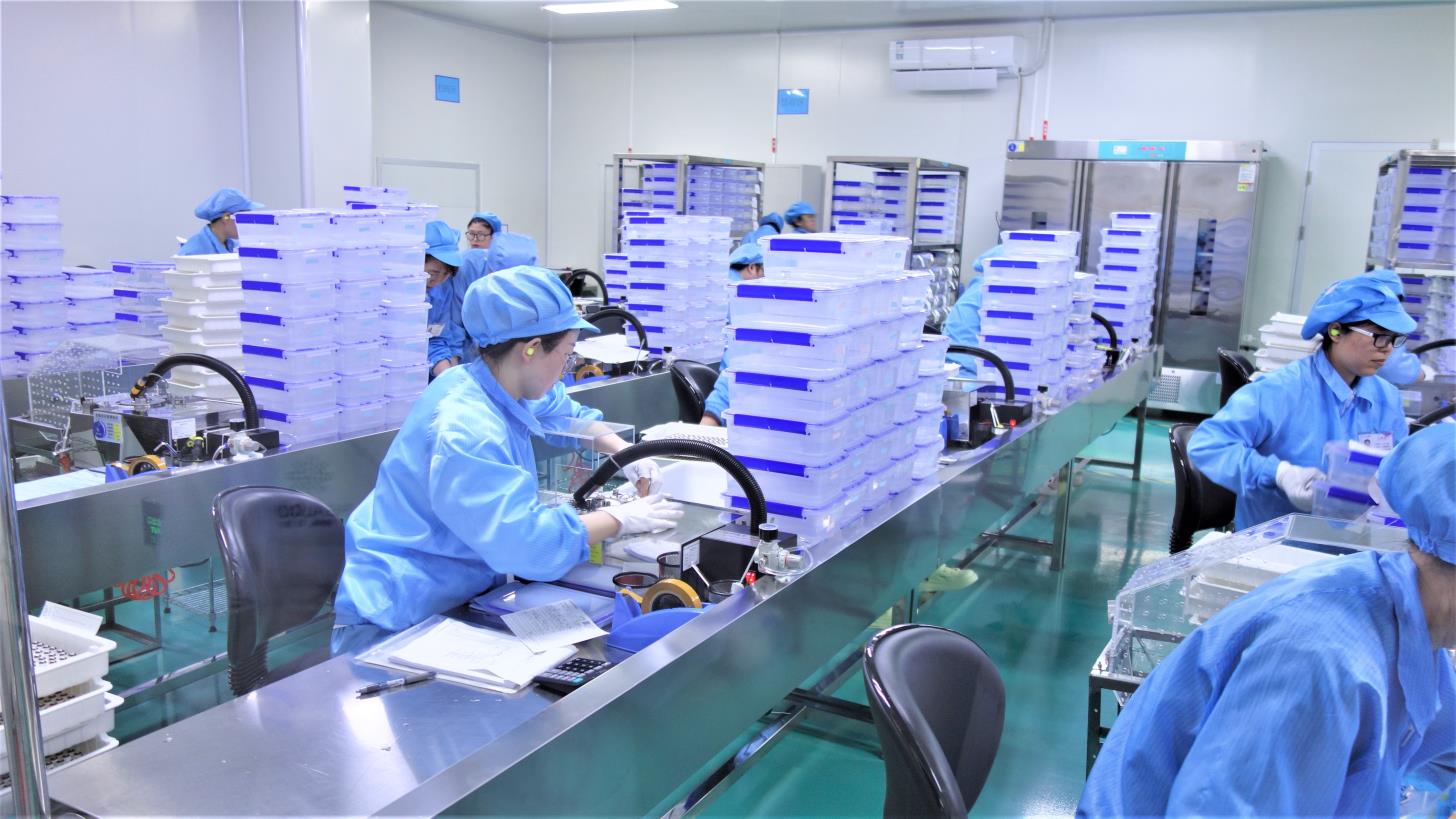
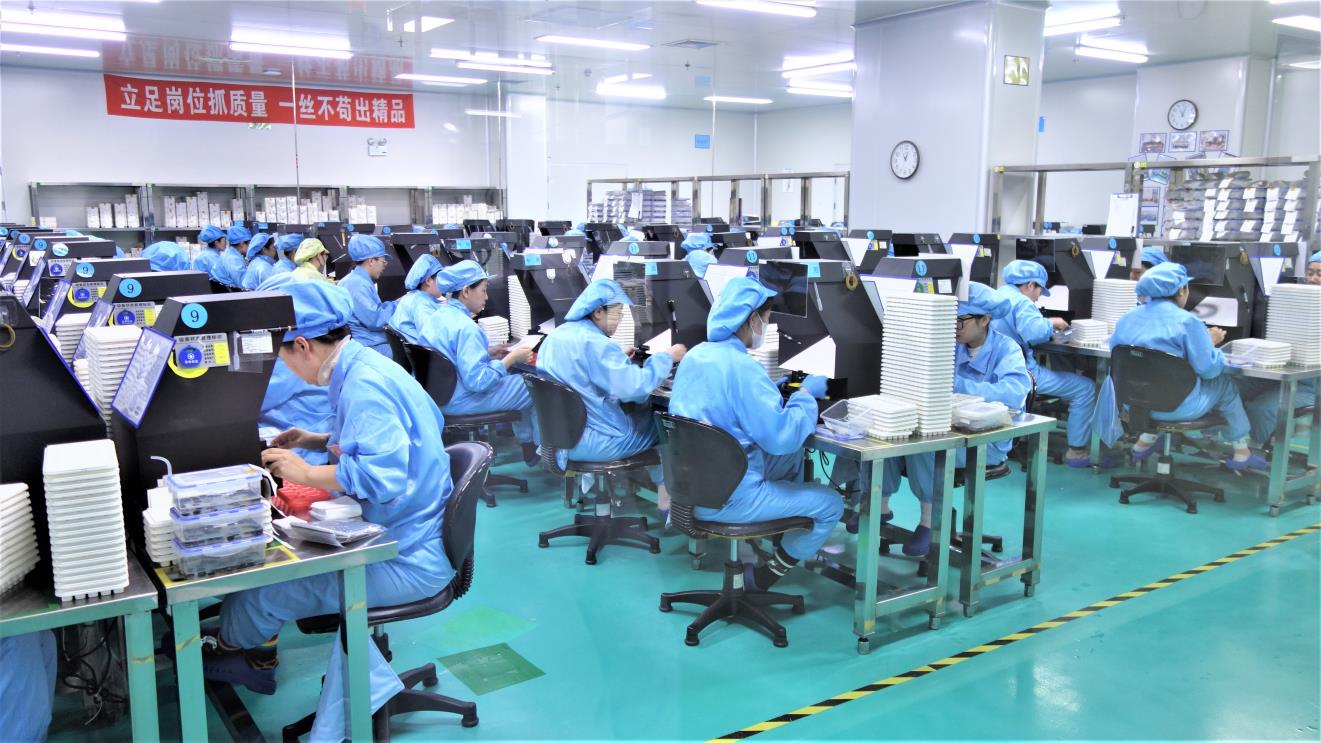
An end-to-end overview of our ISO 13485-certified CNC precision manufacturing pipeline.
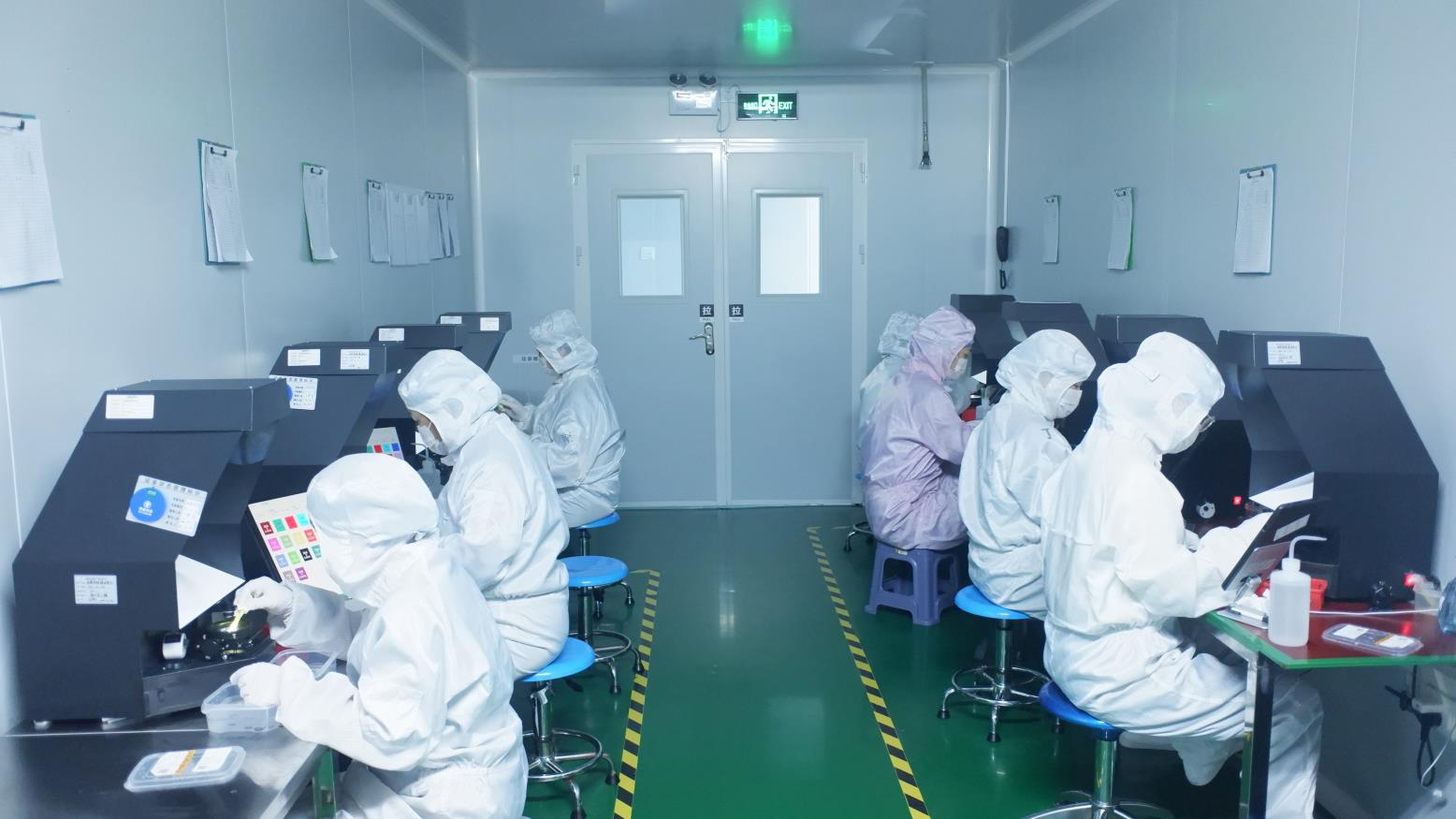
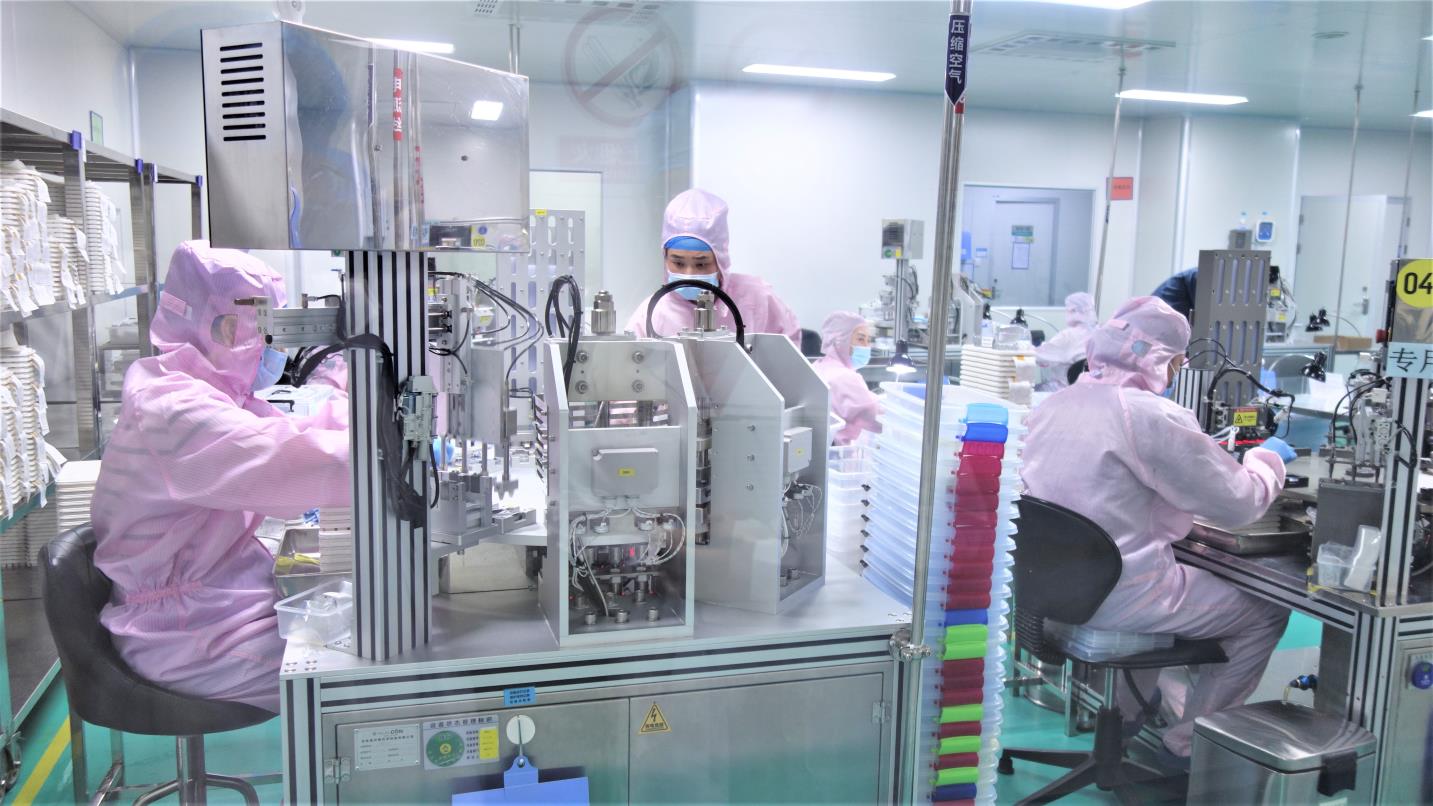
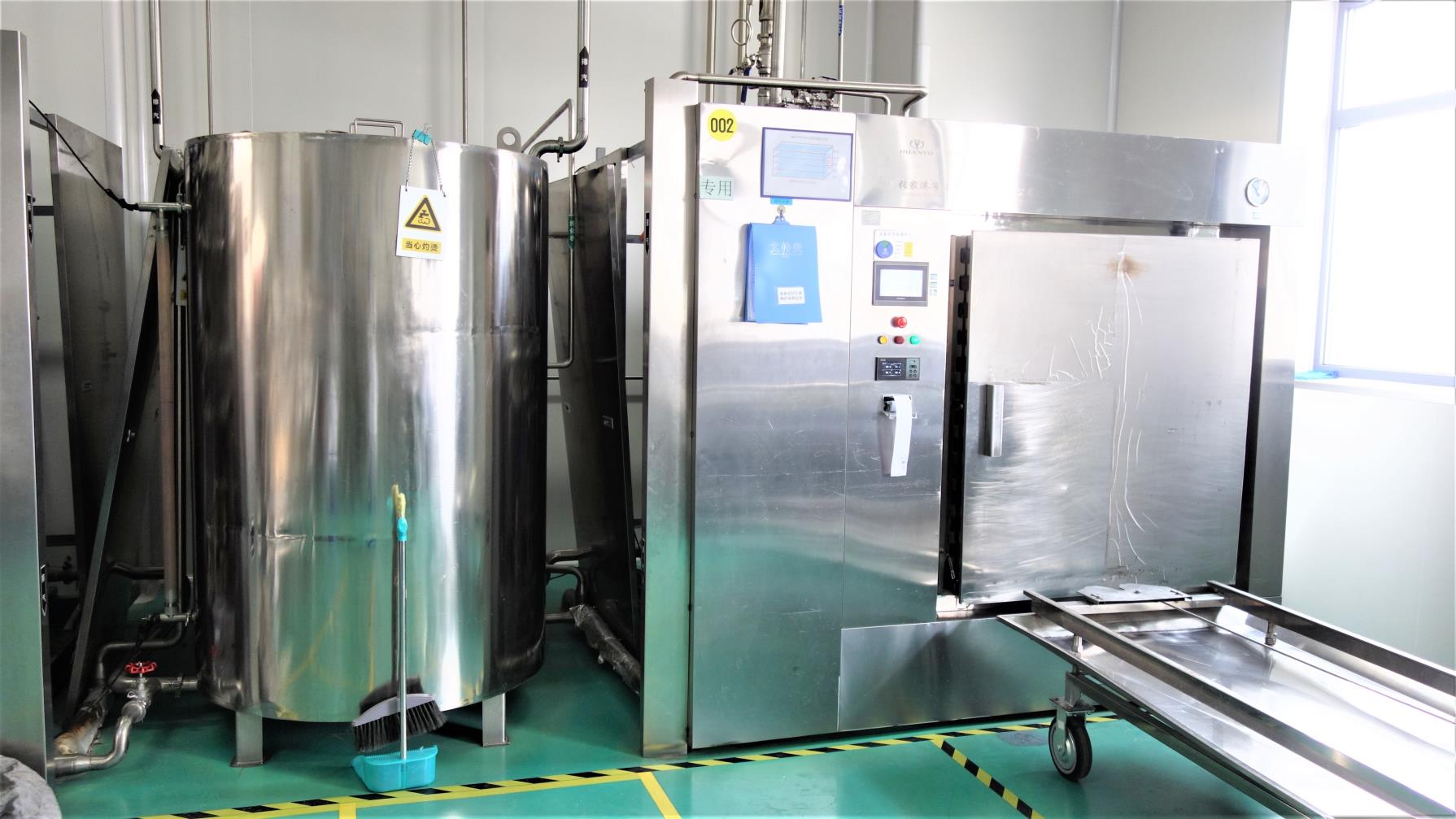
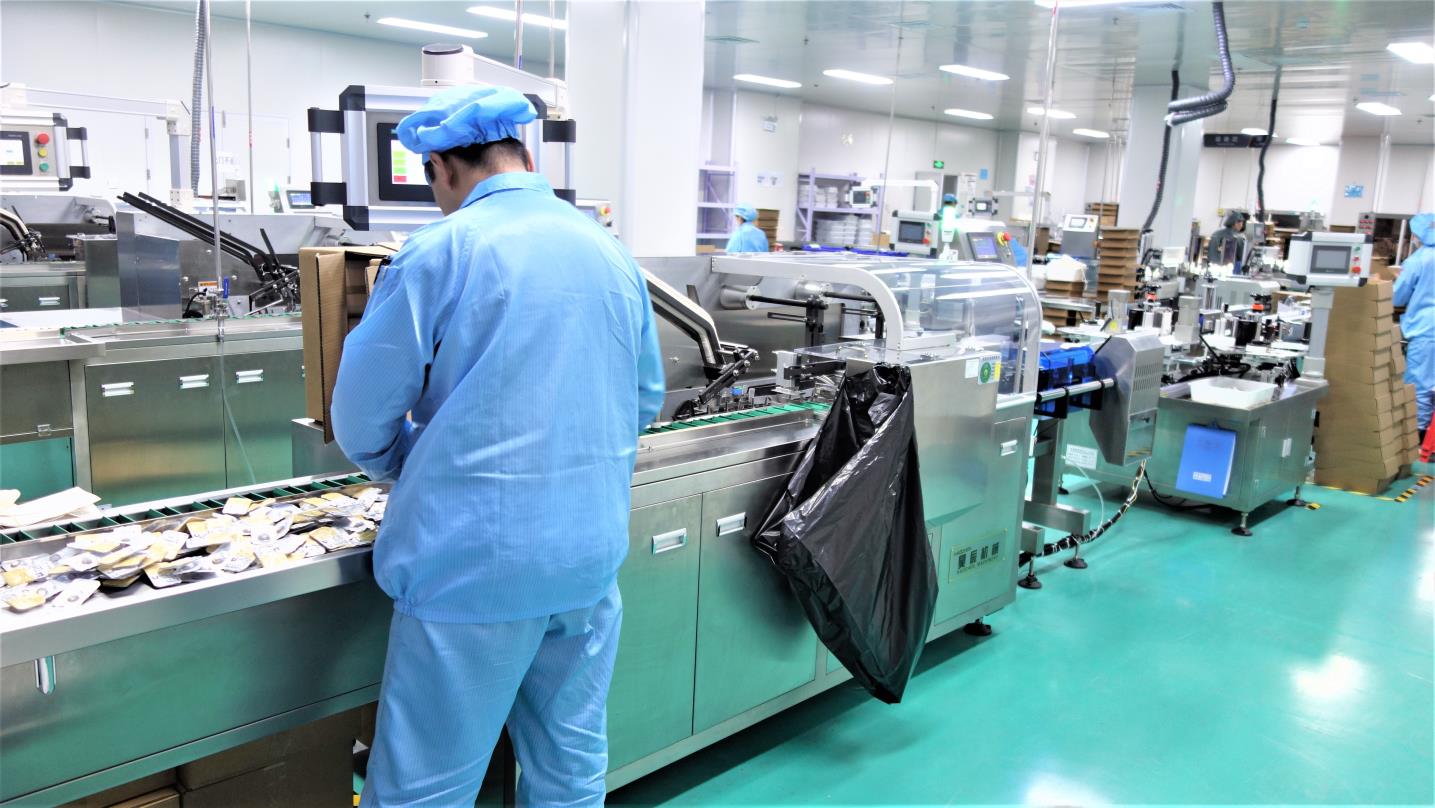
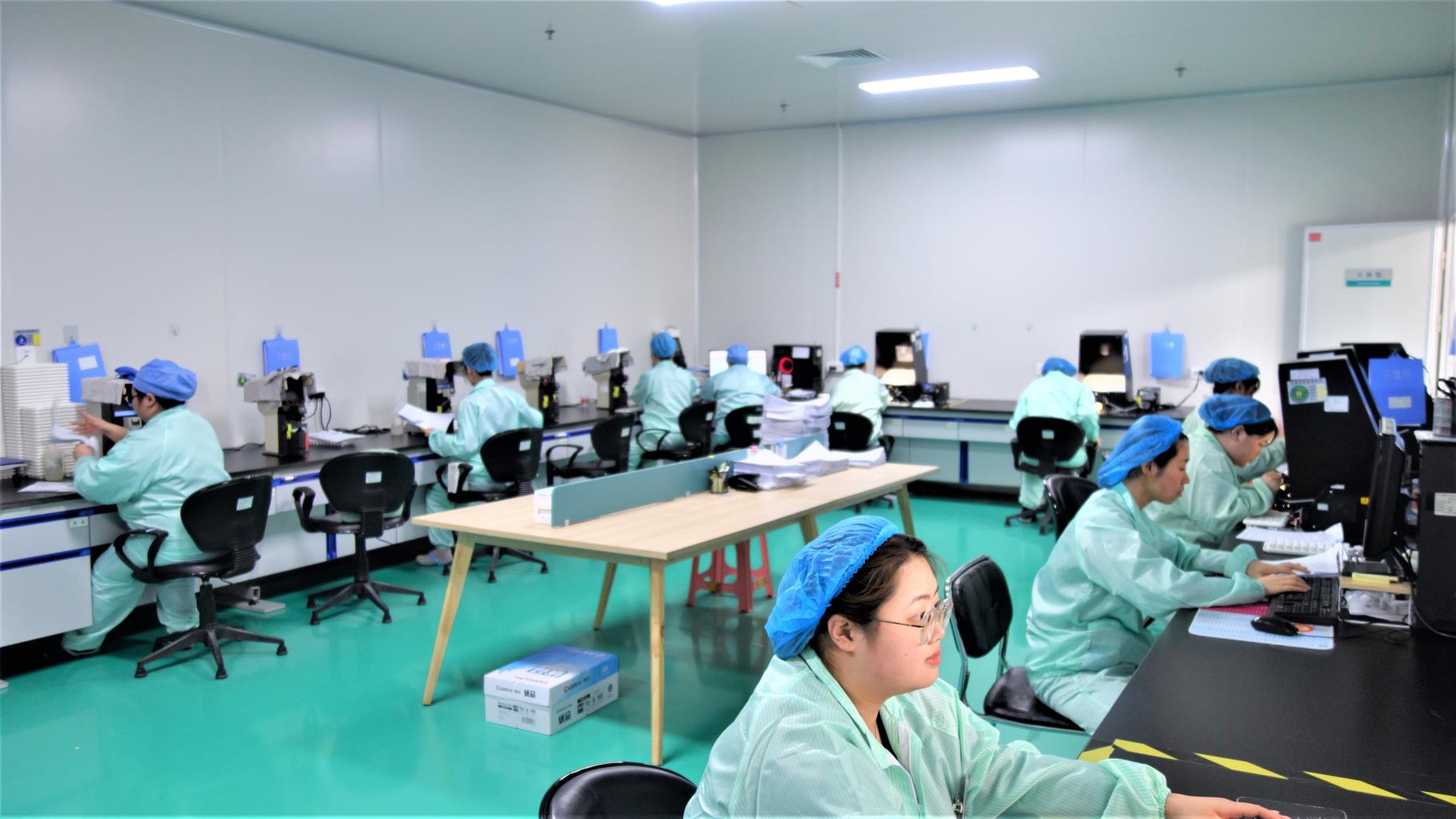
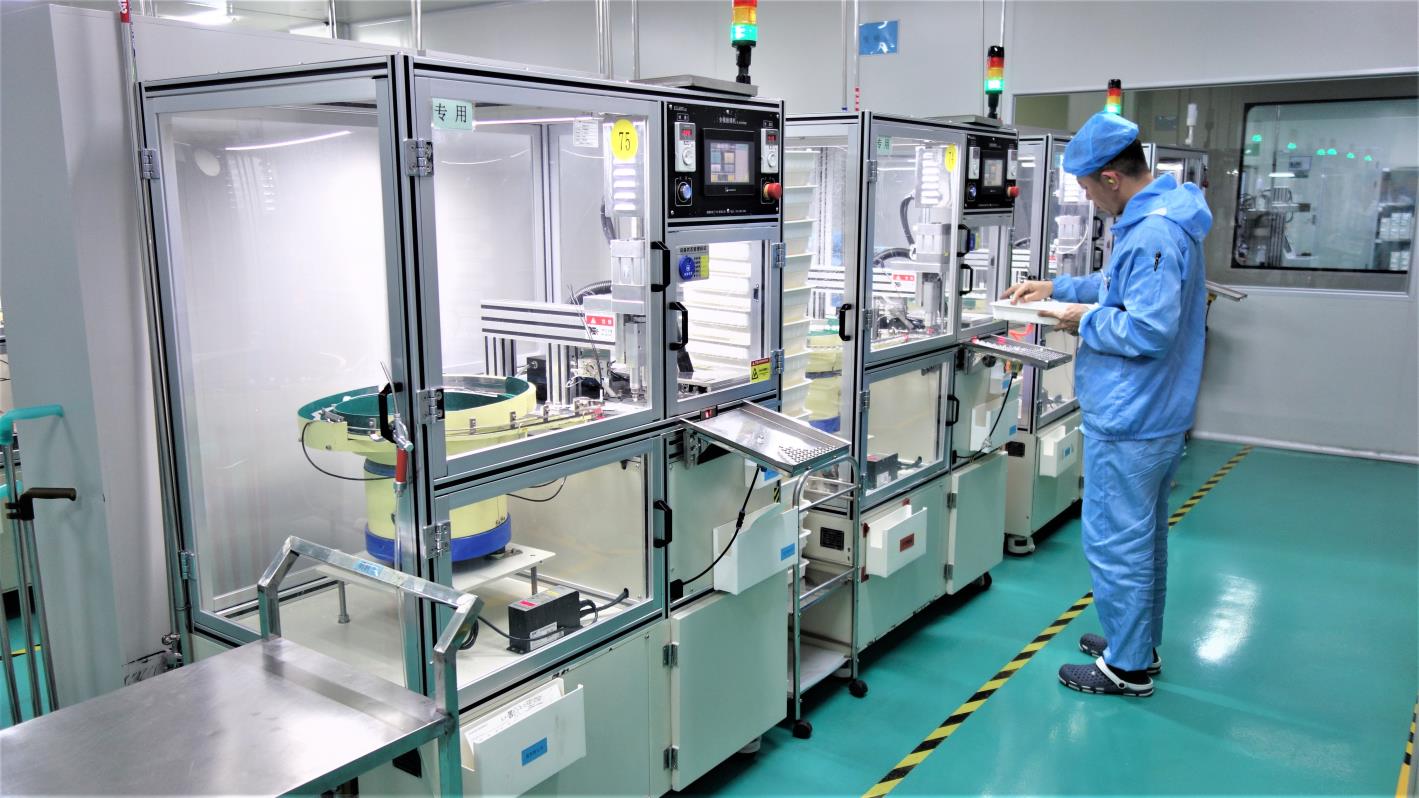
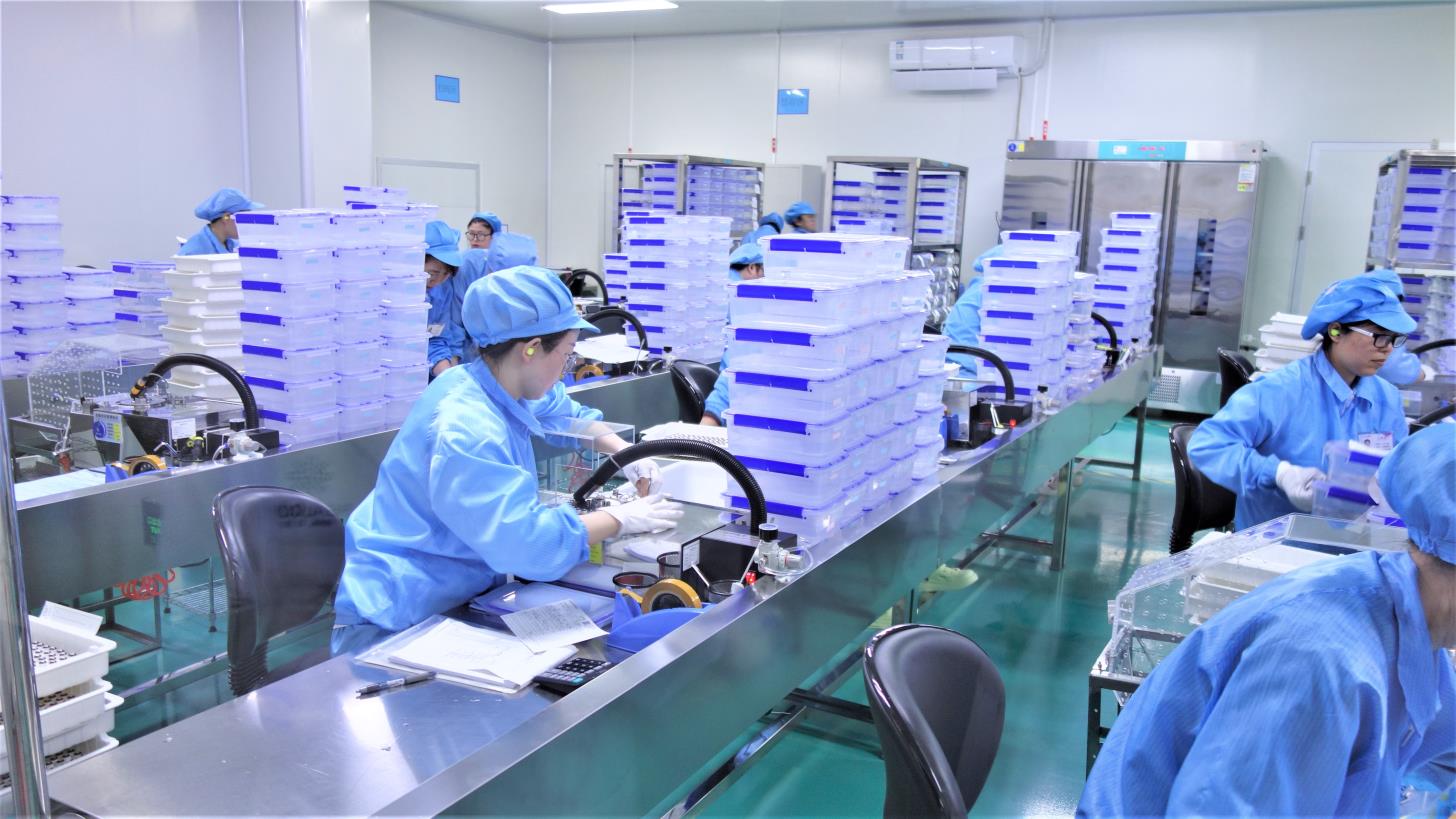
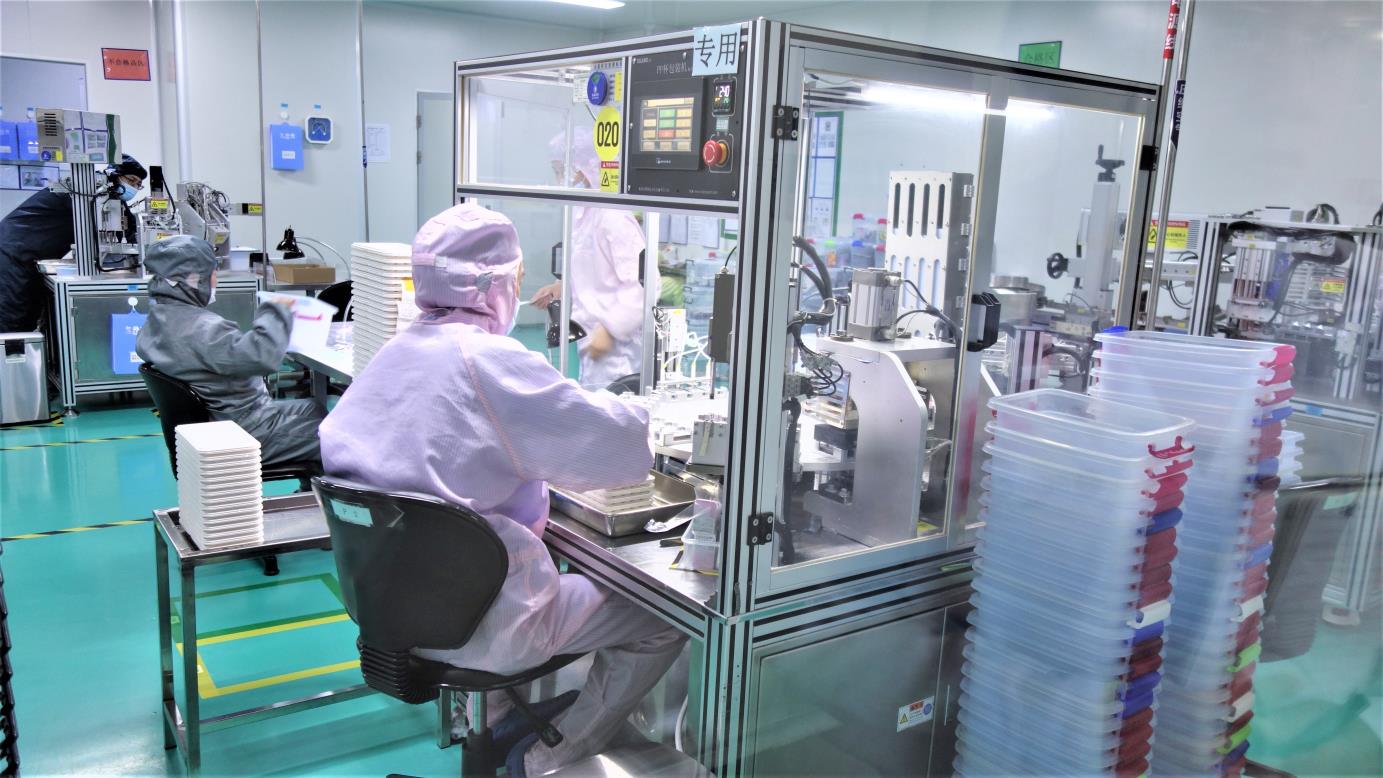
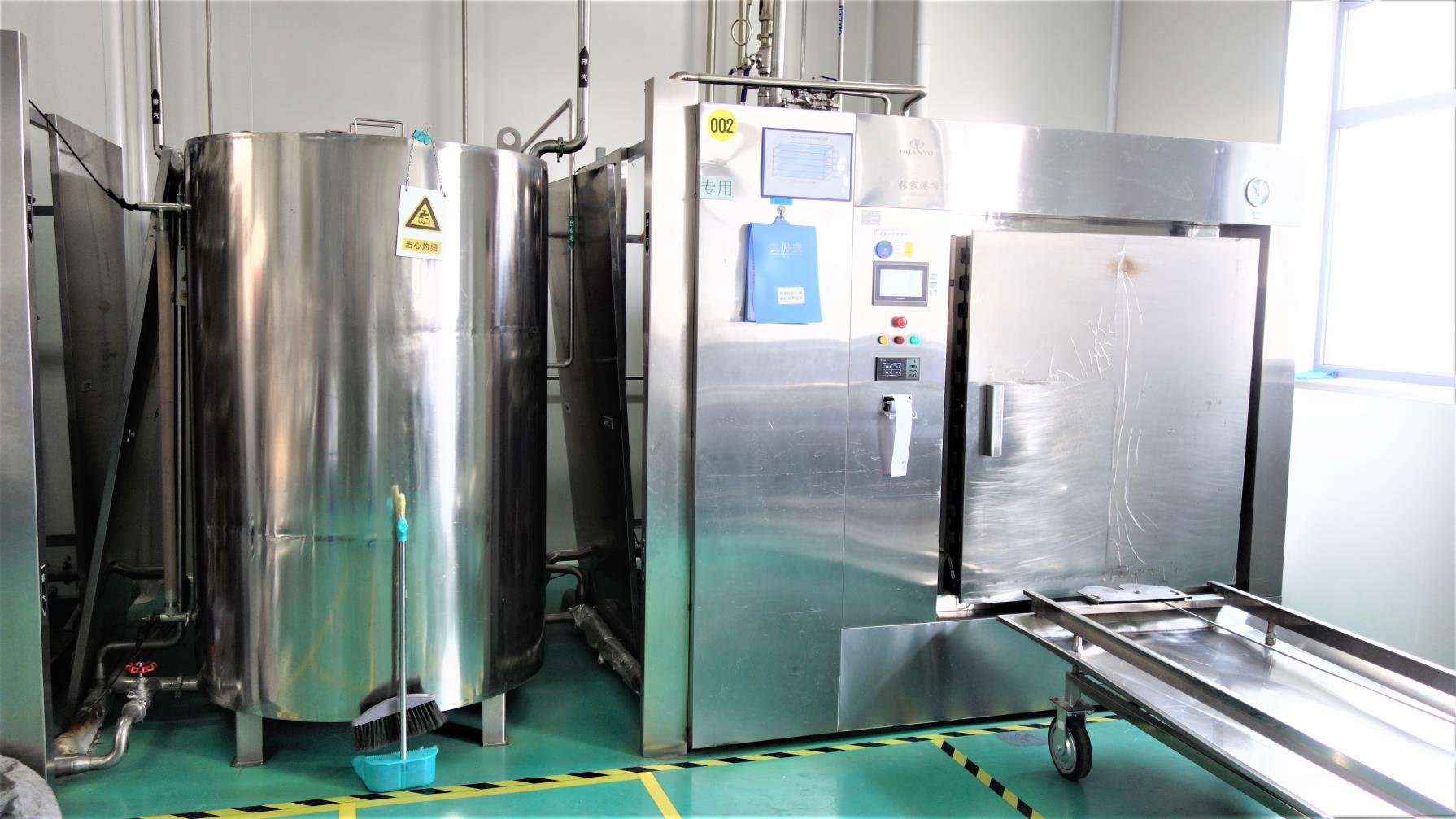
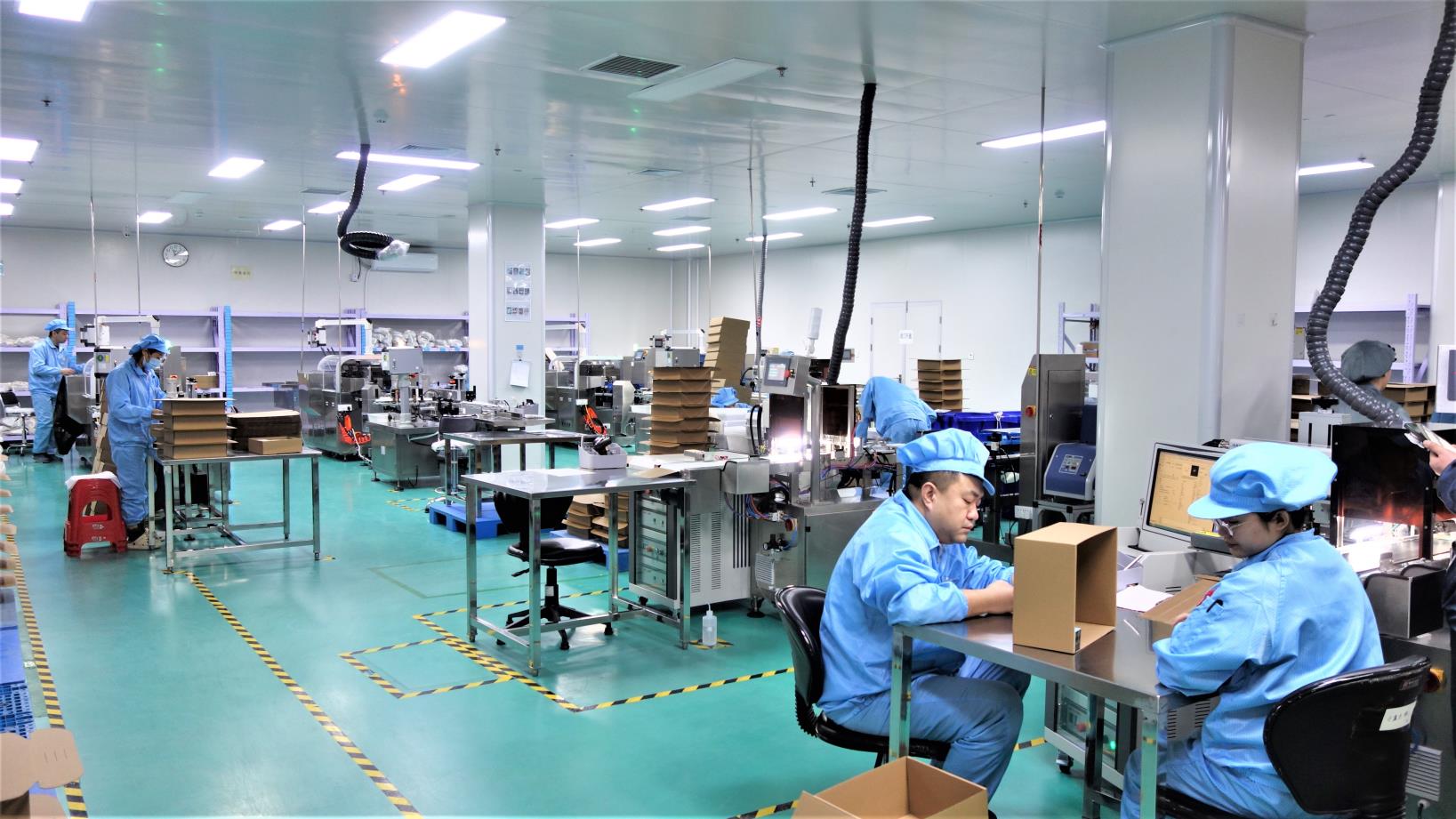
Why global beauty conglomerates and optical distributors leverage our integrated industrial infrastructure.
Traditional spin-casting creates dimensional variability, whereas lathe-cutting limits yield. Our semi-molding technology bridges micro-curvature consistency with automated polymer flow. By integrating German-engineered lathe tooling with proprietary molding dies, we achieve surface variance margins within ±0.01mm, ensuring batch-to-batch visual fidelity and predictable base curve fitting.
Ocular toxicity and surface corneal abrasion represent the greatest risks in cosmetic lenses. Our advanced semi-molding encapsulates inorganic non-toxic color pigments entirely within internal micro-layers of hydrophilic polymer. The colorants never touch the corneal epithelium or palpebral conjunctiva, eliminating chemical leaching while delivering vivid multi-tone depth.
Guangzhou's comprehensive industrial matrix allows vertical integration across optical-grade polymacon/HEMA synthesizing, medical-grade PP blister thermoforming, dial-indicator sealing foils, and automated sterile packaging. This ecosystem eliminates single-source dependencies, speeds delivery cycles to global hubs, and lowers landed costs by up to 28% against non-integrated providers.
Every lot is subjected to dual-stage scrutiny: in-process optical projection verification followed by 100% finished-product automated vision inspection for edge irregularities, air bubbles, and chromatic deviations. Fully mapped thermal autoclaving guarantees high Sterility Assurance Levels (SAL 10⁻⁶) across yearly, half-yearly, and daily SKU programs.
From nuanced 1-tone enhancements to 3-tone limbal blends and specialized Chameleon chromatic shifts, our optical designers transform concept renderings into validated physical lots in under 21 business days. We provide complete structural mock-ups, primary blister customization, secondary retail packaging development, and local registration support.
Evaluating structural shifts in consumer demographics, polymer chemistry, and regulatory requirements.
Cosmetic lenses are no longer restricted to theatrical or corrective use; they have transformed into core beauty and cosmetics categories. Modern consumers treat contact lenses as functional cosmetics that complement eyeshadow, contouring, and personal fashion palettes. This requires manufacturers to build finer limbal transitions, true multi-chromatic color paths, and smaller dot-matrix ink prints that blend seamlessly across deep brown, hazel, and light blue irises.
Standard static color lenses can look flat and synthetic. The next generation of lenses uses Chameleon nano-particle orientation to disperse ambient lighting dynamically. Depending on indoor LED warmth, direct sunlight, or dusk ambiance, the lens shifts through complementary tonal spectrums (e.g., deep olive to liquid amber, or sapphire to icy violet). This optical depth provides expressive, natural-looking aesthetics without compromising ocular health.
While HEMA-based polymacon remains the benchmark for cosmetic stability and dimensional retention in yearly modalities, the market is expanding toward hybrid silicone hydrogels for daily disposables. Balancing higher Dk/t (oxygen transmissibility) with the hydrophobic properties of silicone requires cutting-edge plasma oxidation or internal wetting agents like PVP to maintain wettability, lubricity, and low contact angles.
Although cost-conscious markets sustain substantial demand for 6-month and 1-year lenses, premium metropolitan markets in North America, Western Europe, and East Asia are shifting toward single-day disposables. This transition requires high-volume cleanroom infrastructure capable of producing hundreds of millions of sterile blister units each year at accessible unit economics.
MDR compliance in the European Union, stricter US FDA 510(k) guidances, and stringent ASEAN medical device frameworks have raised barriers to entry. Importers require complete technical files, biocompatibility testing (cytotoxicity, systemic toxicity, ocular irritation), and real-time accelerated shelf-life studies from manufacturing partners. Selecting an audit-ready partner has become a top priority for corporate brand directors.
Engineering custom optical solutions tailored to distinct demographic and regulatory profiles.
Darker natural irises require high-opacity micro-printing patterns to achieve distinct color shifts without appearing artificial. Demand centers on large graphic diameters (14.2mm–14.5mm) with warm honey, hazel, emerald, and grey shifts. Yearly modalities packaged with multi-purpose lens solutions and sturdy cases remain dominant across pharmacy and retail networks.
The East Asian demographic emphasizes soft enlargement, hyper-natural limbal rings, and daily disposable convenience. Formulations prioritize 38% water content to avoid drawing moisture from the tear film during long workdays in air-conditioned offices. Chameleon effects here focus on subtle changes under natural sunlight rather than dramatic base color transformations.
Cosmetic lenses in western markets are propelled by social media trends, festivals, content creation, and seasonal events. Fast-moving direct-to-consumer (DTC) brands require reliable turnkey partners who provide small-batch custom packaging, influencer-ready unboxing presentations, and compliant, audit-ready clinical documentation.
Rapid expansion across optical chains in Brazil, Mexico, and Colombia is driving strong demand for reliable, cost-effective semi-annual and annual replacement lenses. B2B importers prioritize robust blister packaging, clear English/Spanish labeling, and stable room-temperature shelf-lives up to five years.
From concept to scalable output: our comprehensive framework for corporate importers and brand incubators.
Our engineers use Zemax optical modelling to simulate how incident light refracts through polymer layers and interacts with different iris pigment densities. We calculate base curves (8.5mm to 8.6mm) and edge profiles (knife-edge, round-edge) to optimize fluid movement across the cornea.
Using ultra-high-resolution pad printing plates, we recreate intricate iris structures with micro-dots as small as 15 microns. This prevents visual pixelation even under close inspection, giving our Chameleon series their smooth color transitions.
Monomer mixtures (HEMA, EGDMA cross-linker, AIBN initiator) are dispensed into precision CNC-machined optical molds. Thermal polymerization occurs along carefully controlled temperature curves, stabilizing dimensional geometry and eliminating residual unreacted monomers.
Following demoulding, lenses undergo multi-stage hydration and extraction cycles in purified saline to remove residual synthesis components. Individual units are transferred into medical-grade PP blisters, dosed with buffered saline solution, sealed with peelable foil lids, and sterilized in terminal autoclaves at 121°C.
We provide full technical documentation—including ISO 13485:2016 certifications, Certificate of Analysis (CoA) per lot, packaging leak testing, accelerated aging data, and extractable/leachable analyses—to help speed up clearances with national health ministries.
Straightforward answers regarding manufacturing parameters, minimum orders, and clinical compliance.
Standard three-tone lenses use opaque layered rings (pupil, iris, limbal). Chameleon contact lenses incorporate semi-translucent, light-refracting pigments layered across multi-angle hydrogel matrices. These pigments interact directly with ambient lighting, producing natural shifts between complementary tones (such as hazel-green or violet-blue) without synthetic-looking blocks of color.
For catalog colors in our standard packaging, MOQs start as low as 50 to 100 pairs per SKU. For custom private-label runs—including bespoke blister foils, custom box artwork, and specialized chromatic formulations—MOQs typically begin at 500 to 1,000 pairs per shade. We also support stepped volume scaling for emerging direct-to-consumer brands.
We use a specialized semi-molding sandwich method. The pigment layer is applied directly to the mold core and encapsulated inside hydrophilic HEMA polymer matrices. This means colorants are never exposed on either the anterior or posterior surfaces of the lens, preventing pigment leaching and mechanical friction against the ocular surface.
Yes. We produce both plano (0.00 diopter) cosmetic lenses and corrective myopic powers ranging from -0.50D to -8.00D (in 0.25D or 0.50D increments). Base curves are calibrated across all powers to maintain consistent centration, comfortable movement, and clear vision.
Standard catalog replenishments ship within 7 to 14 business days. Custom private label orders, which involve primary foil printing, secondary carton production, and final micro-biological validation, generally require 25 to 35 business days. Air and ocean freight logistics are managed through our export hubs in Guangzhou, Shenzhen, and Hong Kong.
All shipments are backed by lot-specific Certificates of Analysis (CoA), ISO 13485:2016 factory audit summaries, CE compliance declarations, biological evaluation reports (ISO 10993), packaging seal integrity tests, and terminal sterilization records.
Complete your product lineup with certified contact lens cases, maintenance tools, and specialty series.
 Dewylenses