Decoding the Strategic Shift in Global Cosmetic Ophthalmology
The global aesthetic eyewear market is undergoing a paradigm shift. Moving beyond traditional "natural-look" enhancements, the rise of Holographic and Iridescent Contact Lenses represents the intersection of material science and digital-native fashion. This whitepaper analyzes why industry leaders and top exporters are pivoting toward "Information-Rich" optical products that offer more than just color change—they offer a multi-dimensional visual experience.
Advanced laser-etching at the sub-micron level allows light to diffract, creating the "holographic" shimmer without compromising the oxygen permeability (Dk/t) of the hydrogel material.
Global demand is driven by the "Cyber-Fashion" trend, where Gen-Z consumers seek "IRL" (In Real Life) filters that mimic digital avatars.
Leading suppliers now prioritize ISO 13485 and CE certifications, ensuring that high-fashion aesthetics never compromise corneal health.
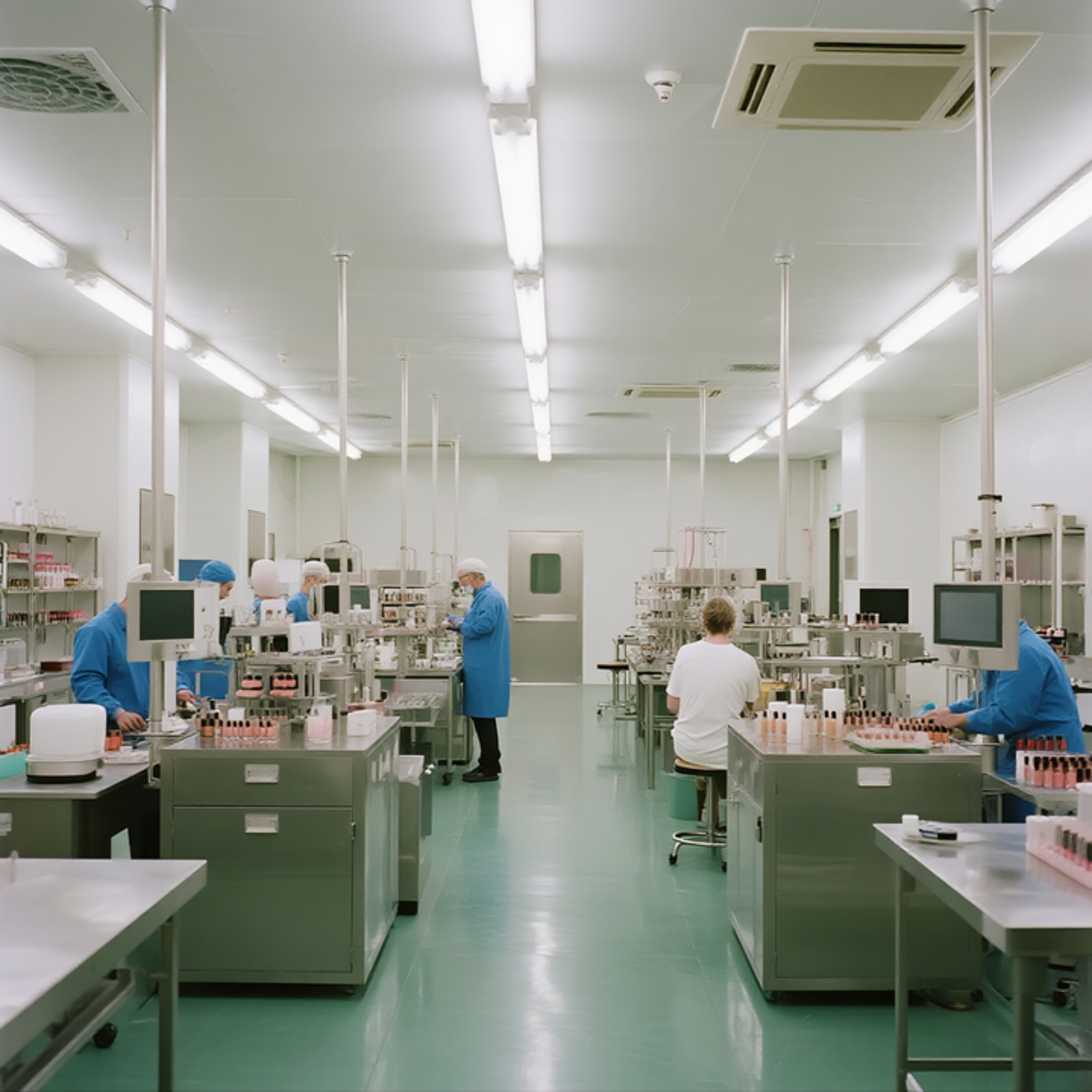
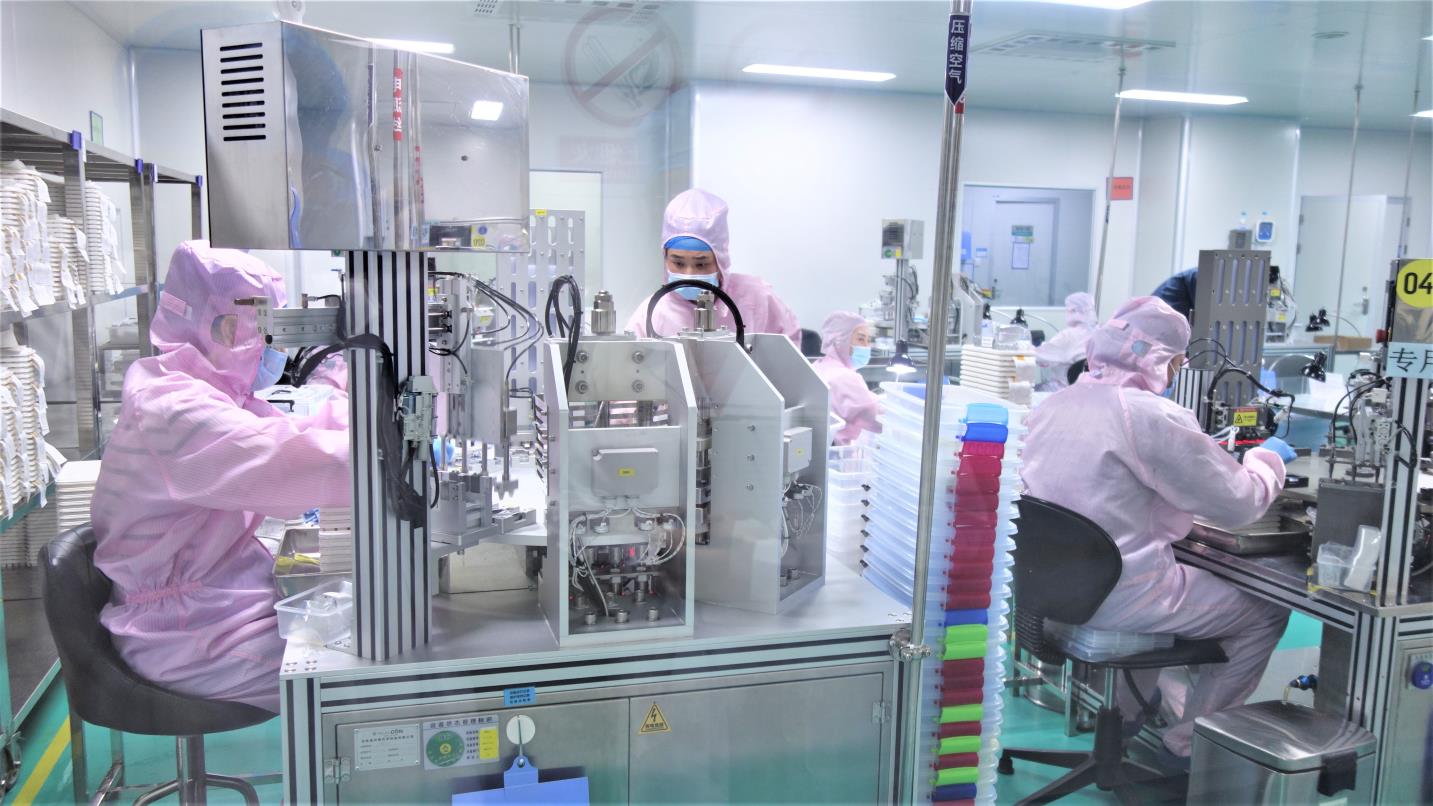
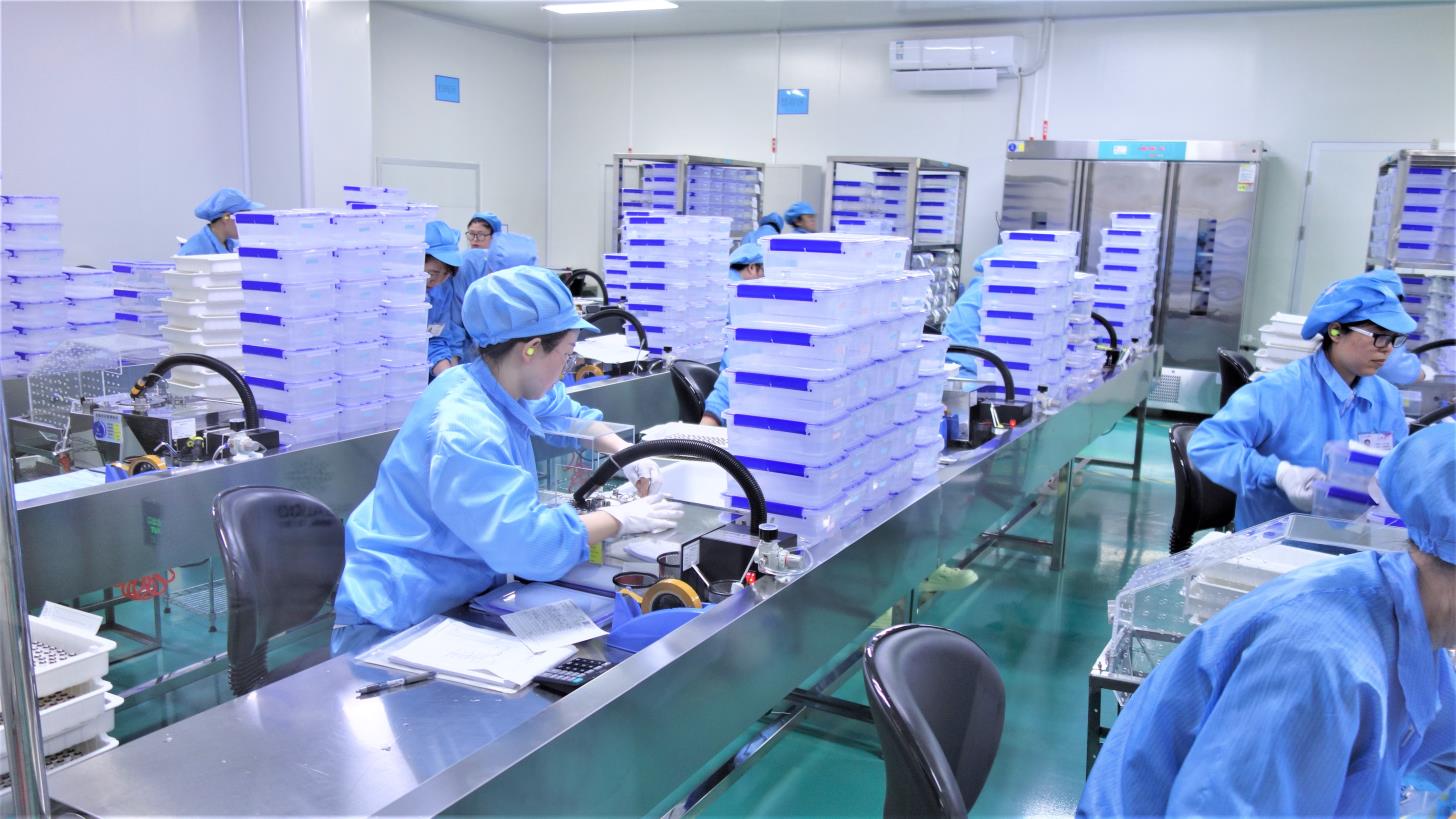
Established in 1996, Guangzhou Dewy Lenses Co., Ltd. has evolved from a local manufacturer into a National High-Tech Enterprise. In the competitive landscape of Holographic Contact Lenses, Dewy Lenses stands out by integrating Product Design, R&D, and Industrial-Scale Production under one roof.
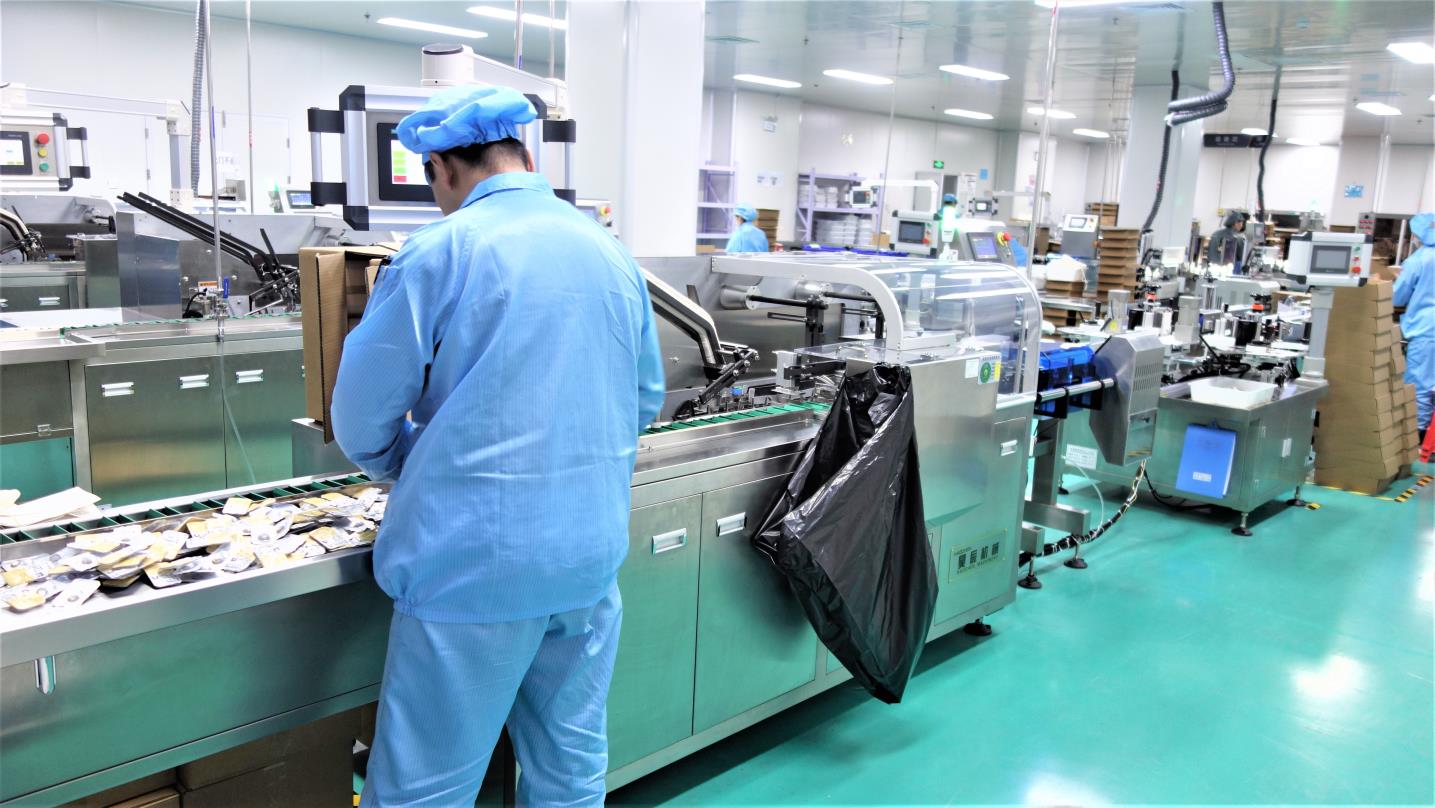
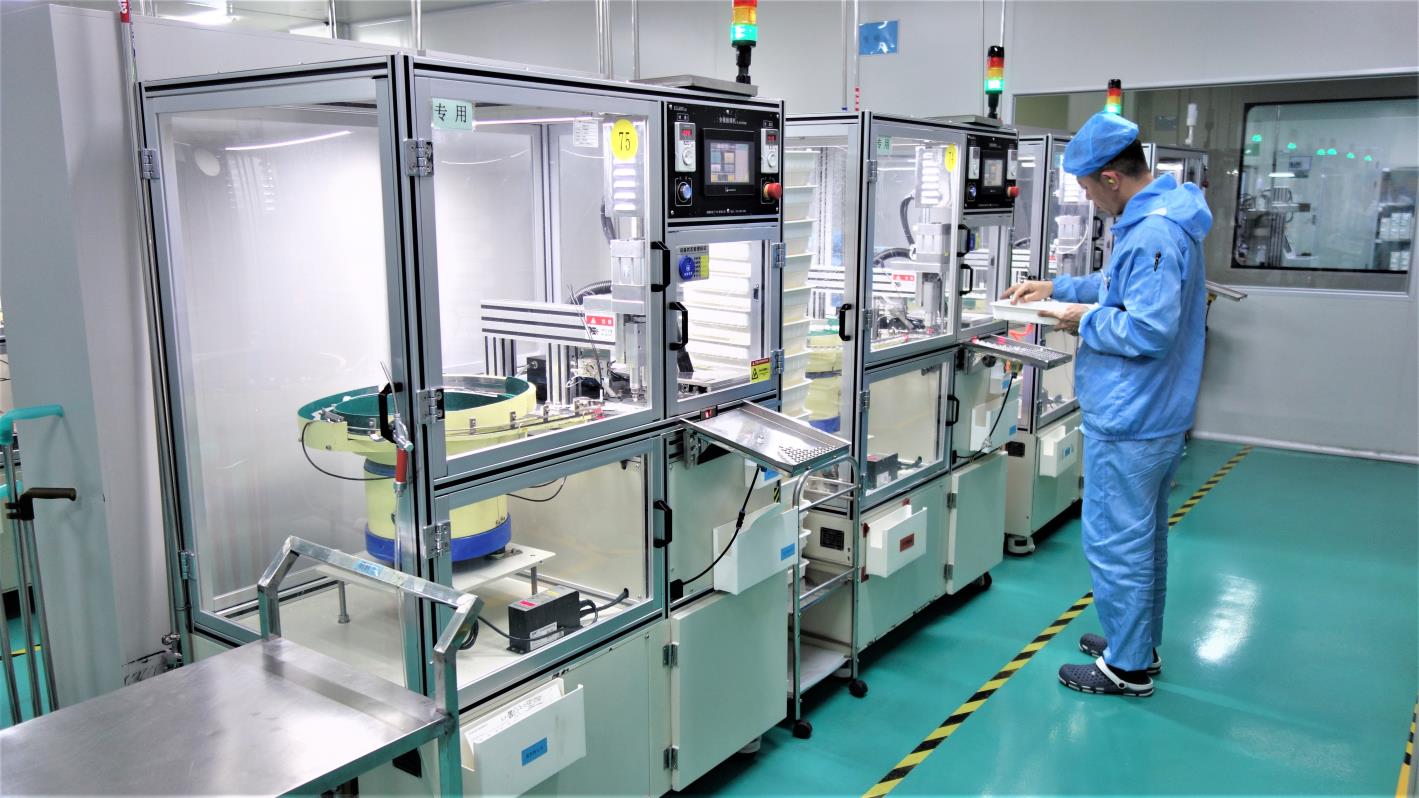
Utilizing Fully Automatic CNC Production Lines, the company employs a semi-molding process that ensures visual consistency and structural integrity. For global exporters, this means a reduction in batch variance—a critical factor for international brand reputation.
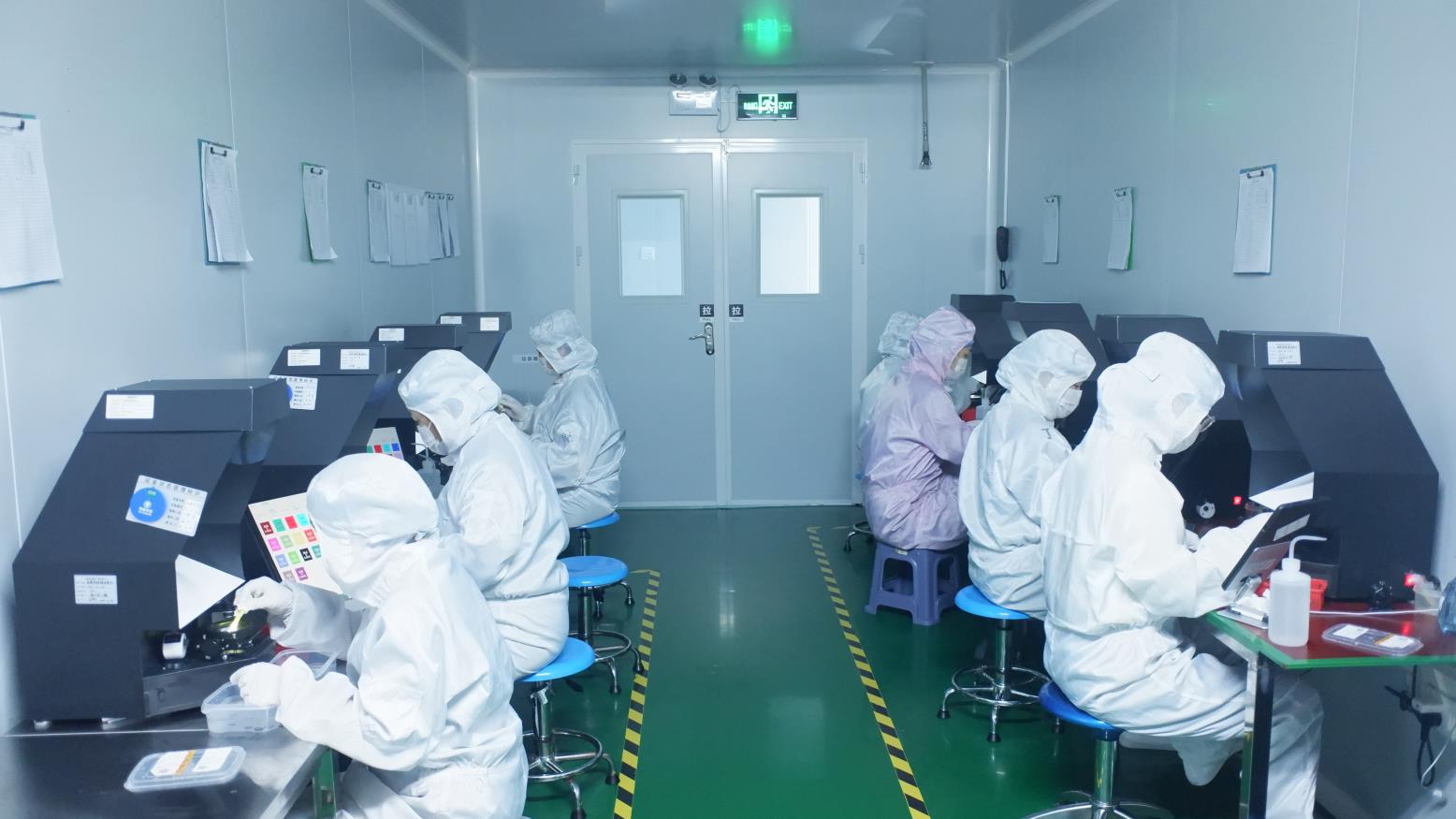
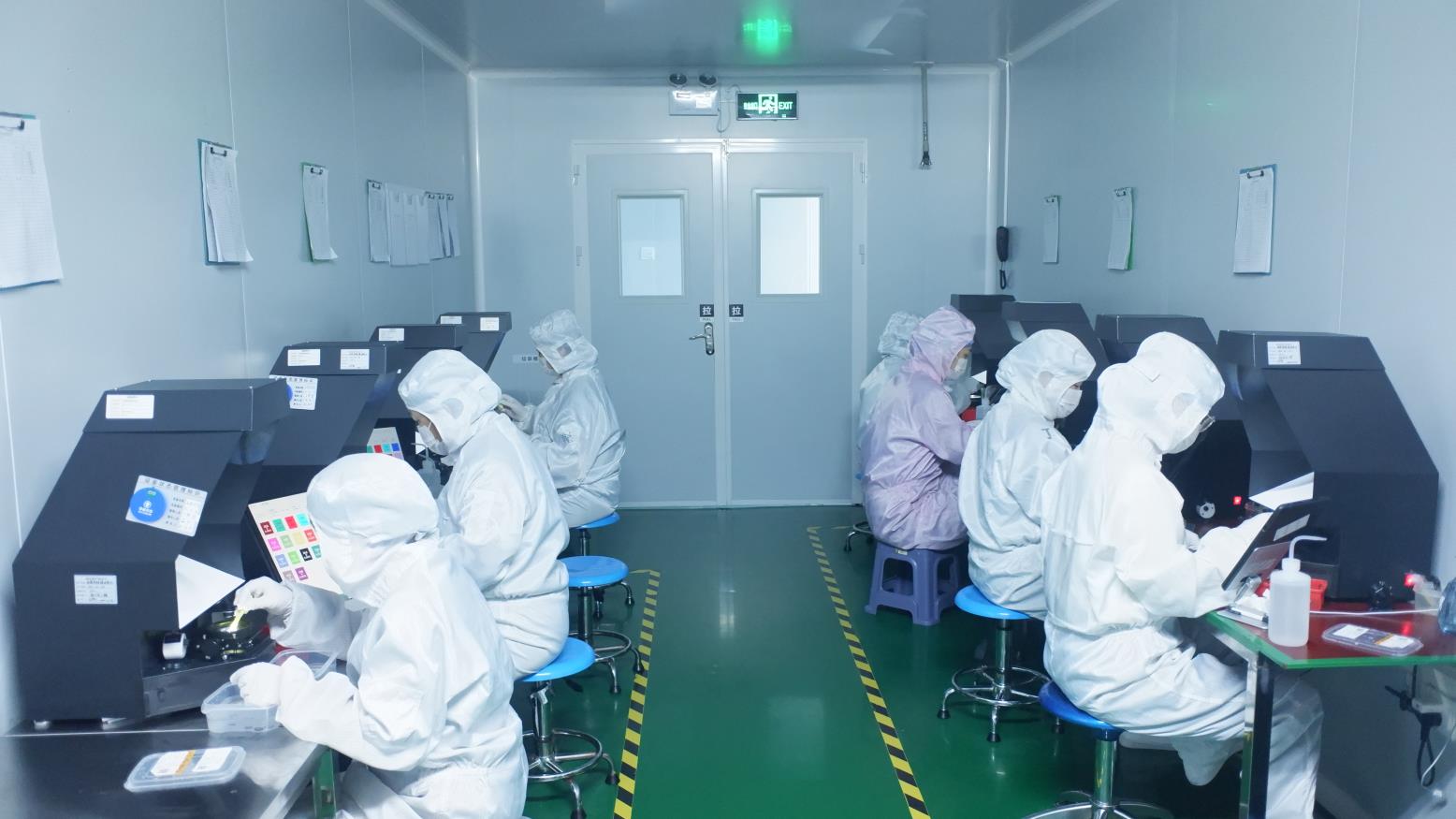
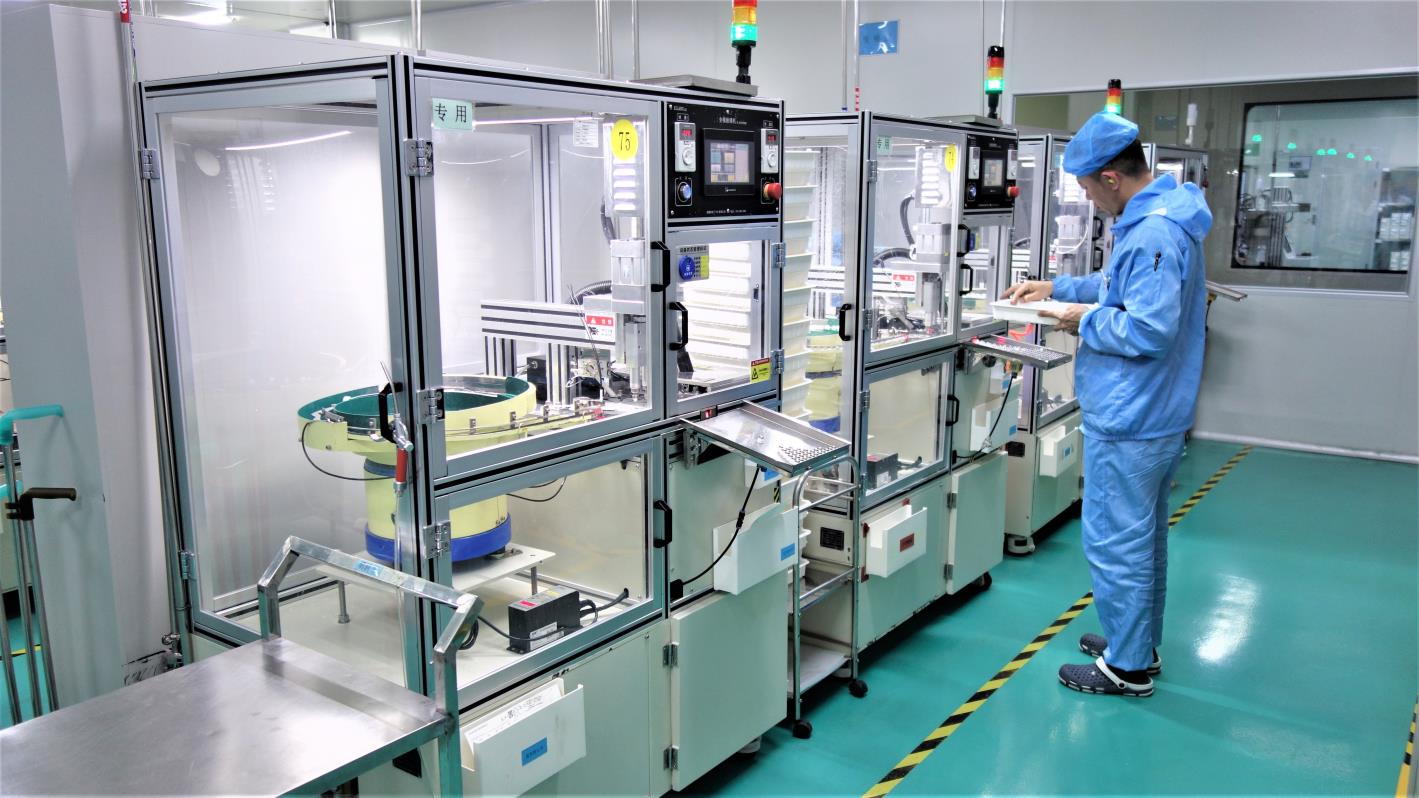
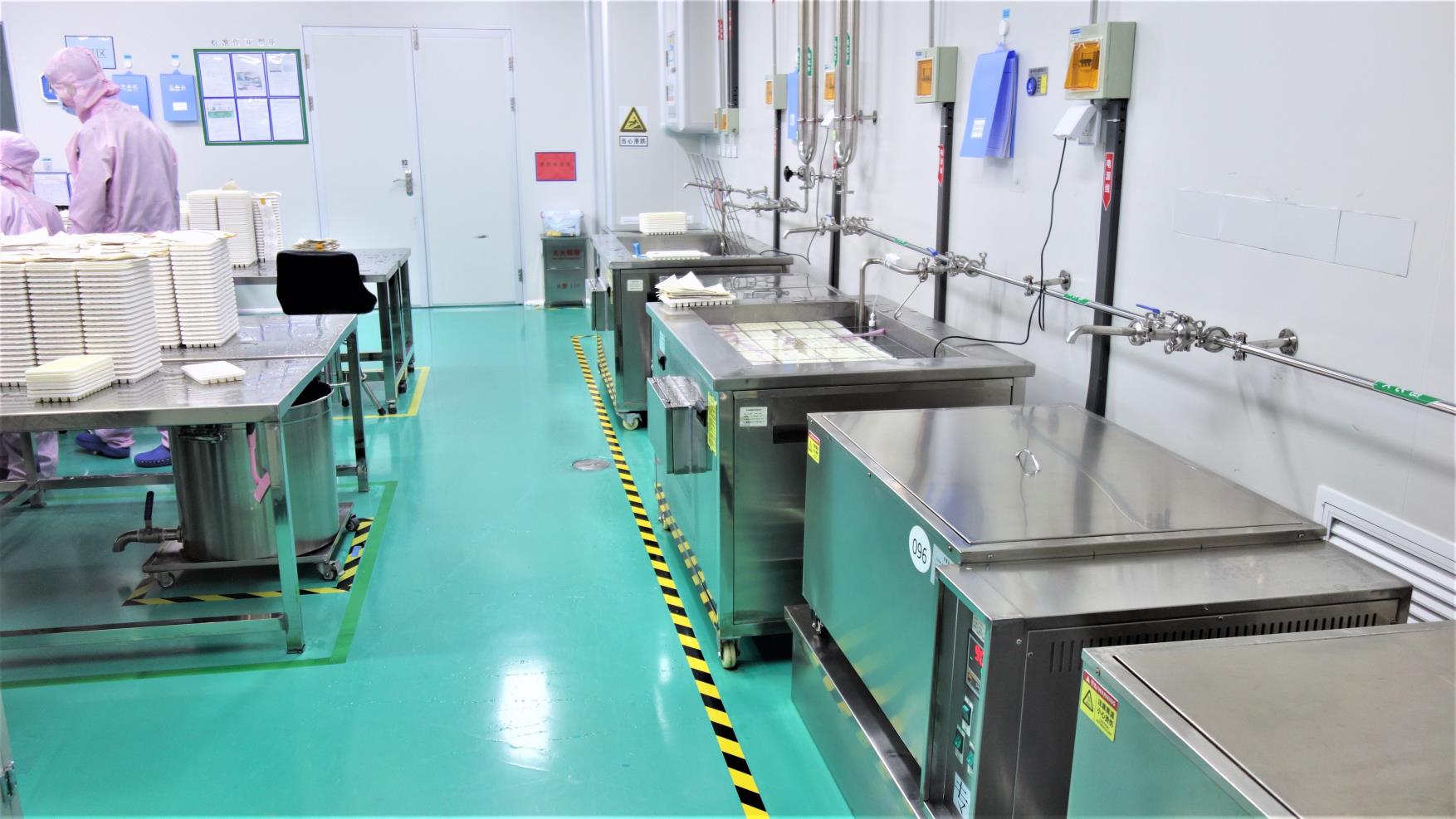
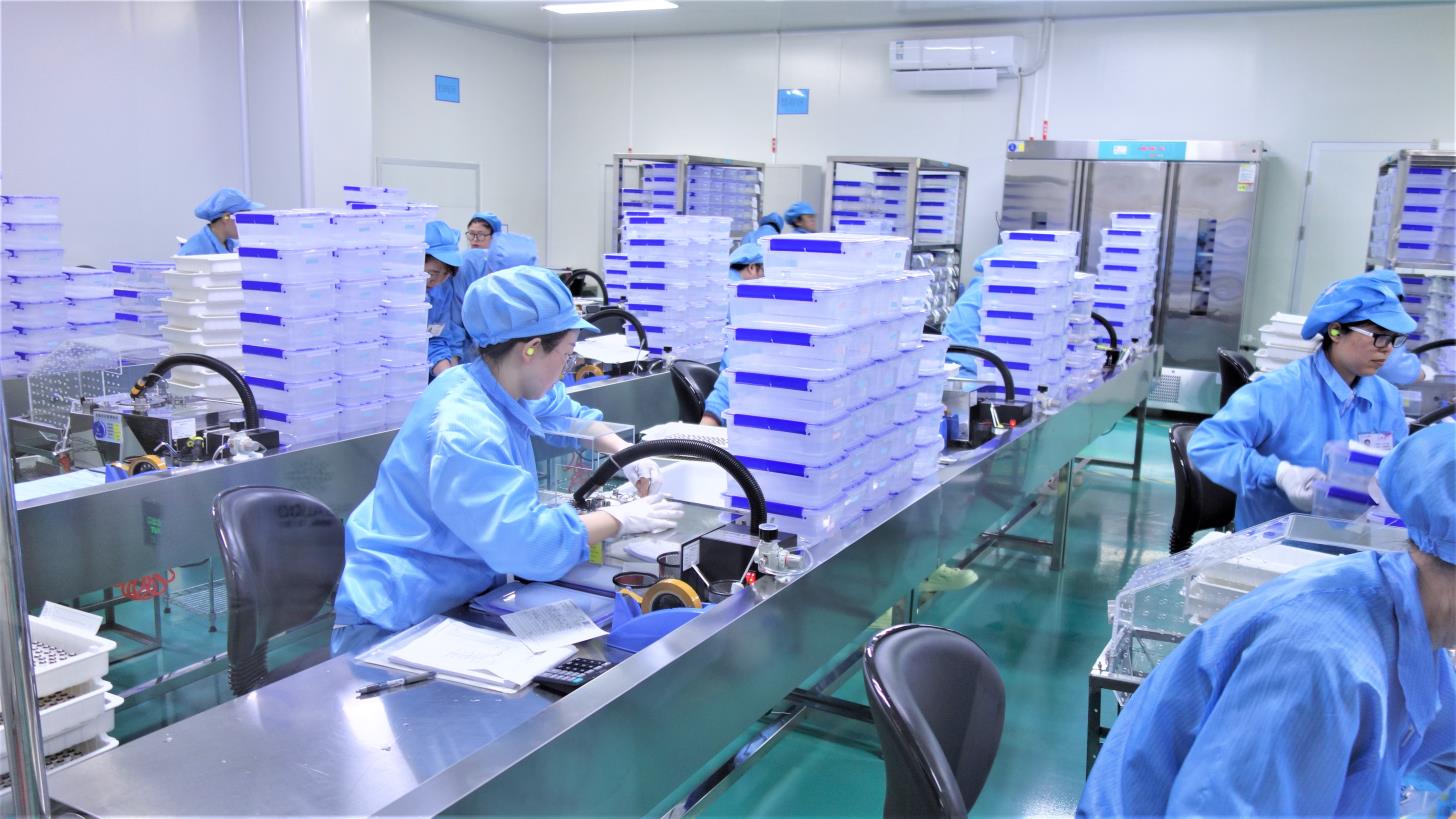
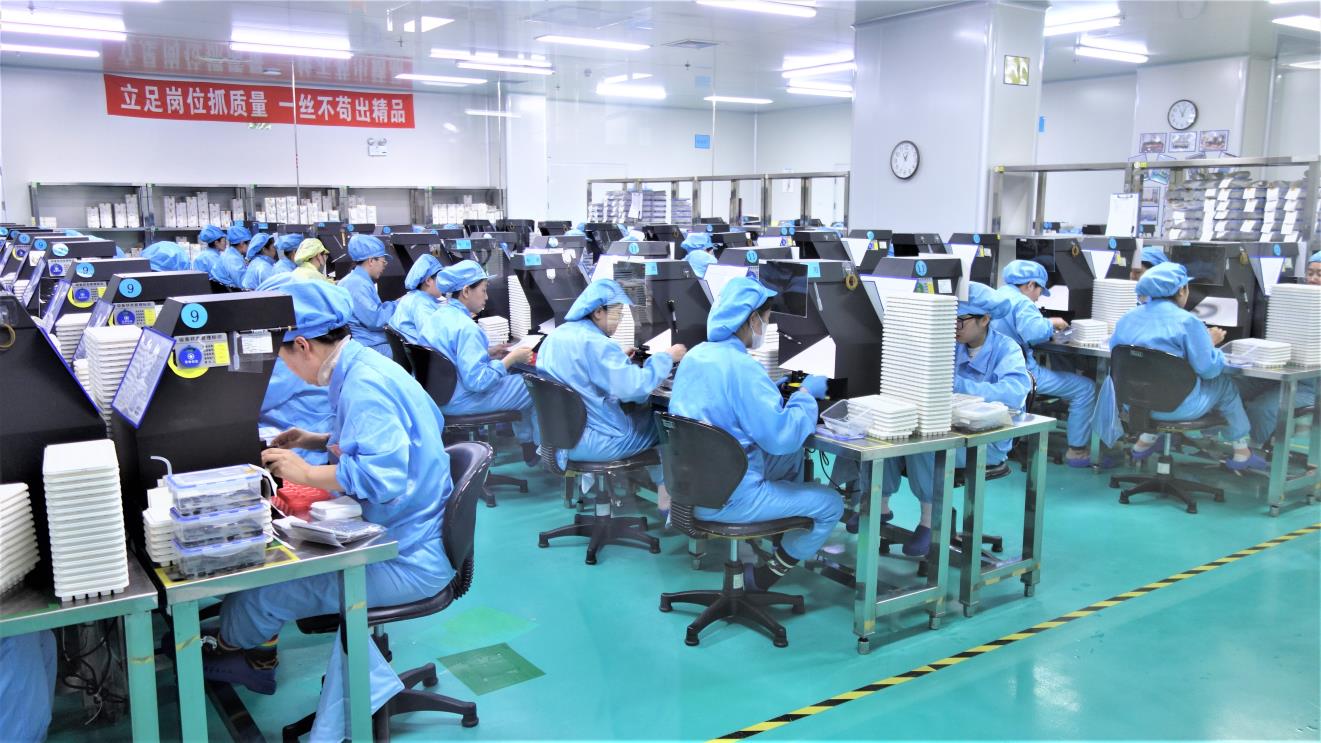
B2B buyers in the EU and NA are moving away from low-cost, high-risk suppliers toward "Quality-First" hubs in China. The demand for holographic lenses has seen a 40% YoY increase in the beauty-tech sector, specifically in markets like Brazil, South Korea, and the UAE.
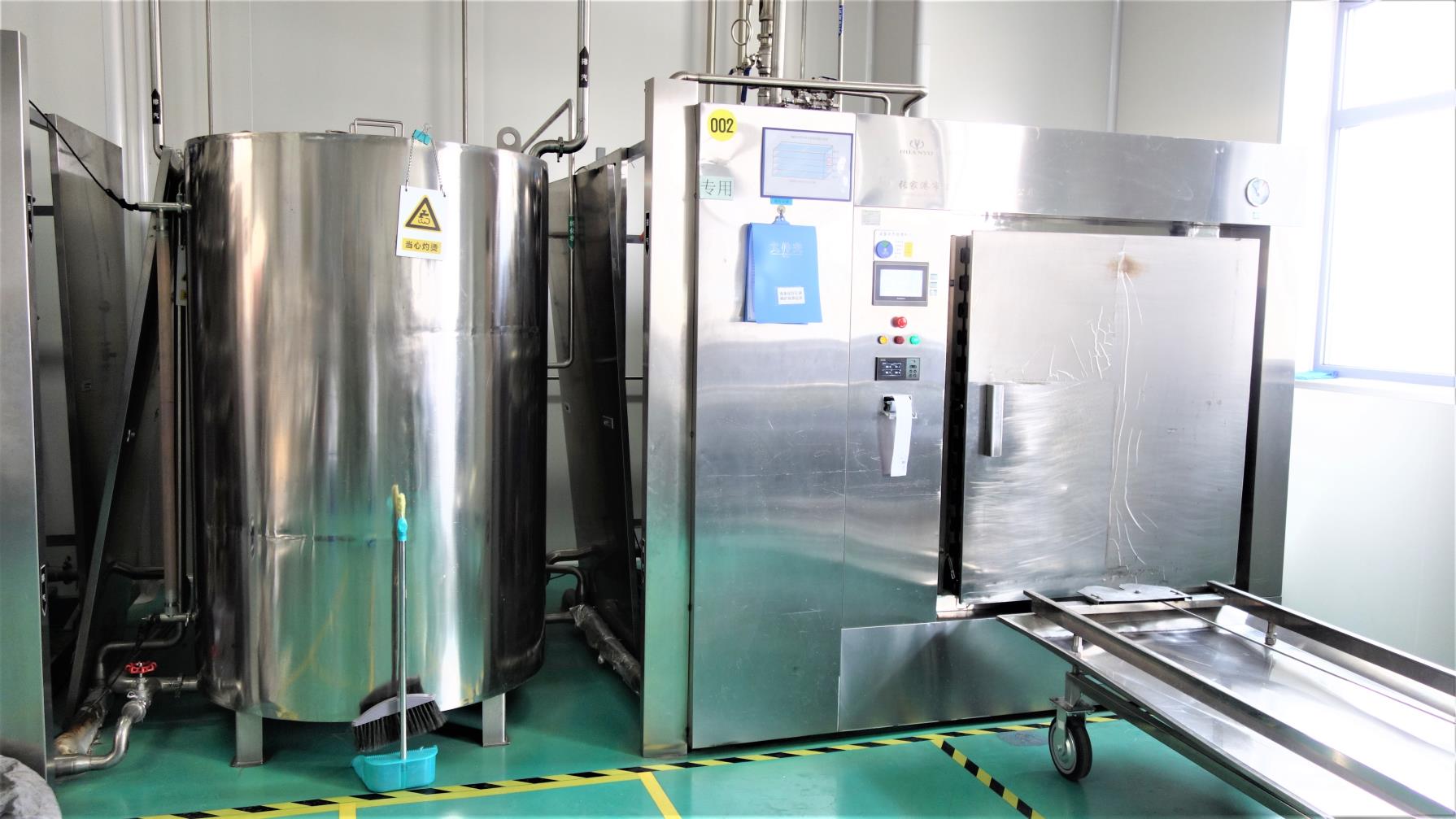
With China's Industry 4.0 initiatives, factories like Dewy Lenses offer Vertical Integration. From pigment synthesis to the final sterilization cabinet, controlling the full stack reduces lead times by 30% and mitigates international logistics risks.
The "Green Eyewear" initiative is real. Leading exporters are now audited for water usage in the "Soak and Disinfect" phase. Using energy-efficient sterilization cabinets is no longer optional—it's a competitive "Information Gain" for ESG-conscious brands.
Holographic lenses are no longer restricted to sci-fi movie sets. Today, they are utilized in:
Yes. When manufactured using the semi-molding process and CNC precision, the holographic layer is sandwiched within the lens material, preventing direct pigment contact with the cornea while maintaining high water content for comfort.
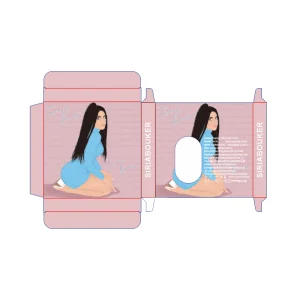
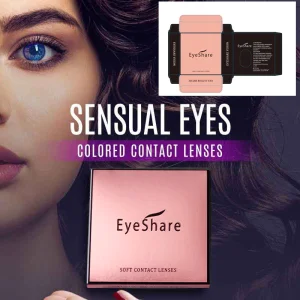
Top-tier suppliers like Dewy Lenses offer flexible OEM/ODM services. For custom Ivory Board or high-tech packaging boxes, MOQ typically starts at 500-1000 units, allowing for brand testing in niche markets.
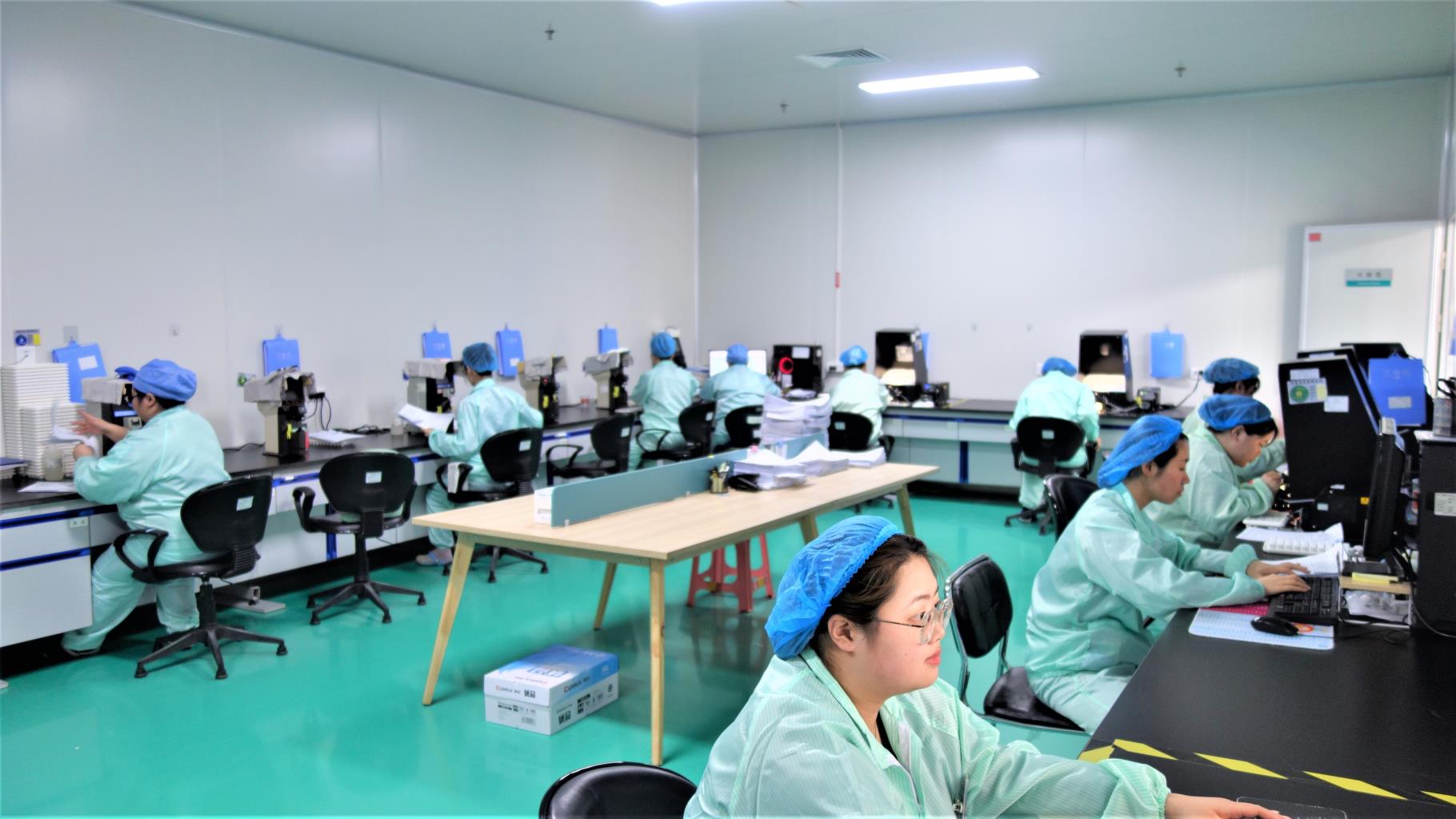
Check for a Medical Device Production License, ISO 13485 certification, and ask for "OQC" (Outgoing Quality Control) reports. A reliable supplier will have a transparent "Factory 4.0" audit trail, from demoulding to final sterilization.
Currently, "Aurora Purple," "Cyber Blue," and "Prism Silver" are dominating the market, particularly in the daily disposable segment which caters to hygiene-conscious Gen-Z consumers.
 Dewylenses