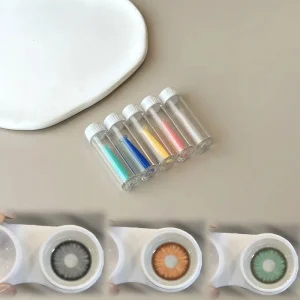
In the contemporary global optical market, Green Contact Lenses have transcended being a mere niche aesthetic choice to becoming a core pillar of the cosmetic contact lens industry. This shift is driven by a fusion of physiological fascination and the pursuit of natural-yet-striking eye transformations. Procurement data from 2023-2024 indicates a 22% increase in B2B demand for green hues, particularly in North America, the Middle East, and Southeast Asia.
Enterprises are increasingly focusing on "Natural Green," "Forest Green," and "Emerald" tones that mimic real iris textures, catering to users who want subtle enhancement rather than theatrical effects.
Global wholesalers now demand high-water content (above 40%), Silicone Hydrogel materials for breathability, and "Sandwich Molding" technology to ensure pigment does not touch the cornea.
Successful exporters must navigate complex regulatory landscapes including US FDA, EU CE (MDR), and Saudi SFDA, making China's high-tech factories a preferred hub due to their mature certification pipelines.
Established in 1996, Guangzhou Dewy Lenses Co., Ltd. stands as a testament to industrial maturity and technological foresight in the Chinese optical sector. As a high-tech national enterprise, the company integrates product design, research, and large-scale production of soft hydrophilic contact lenses and care products.
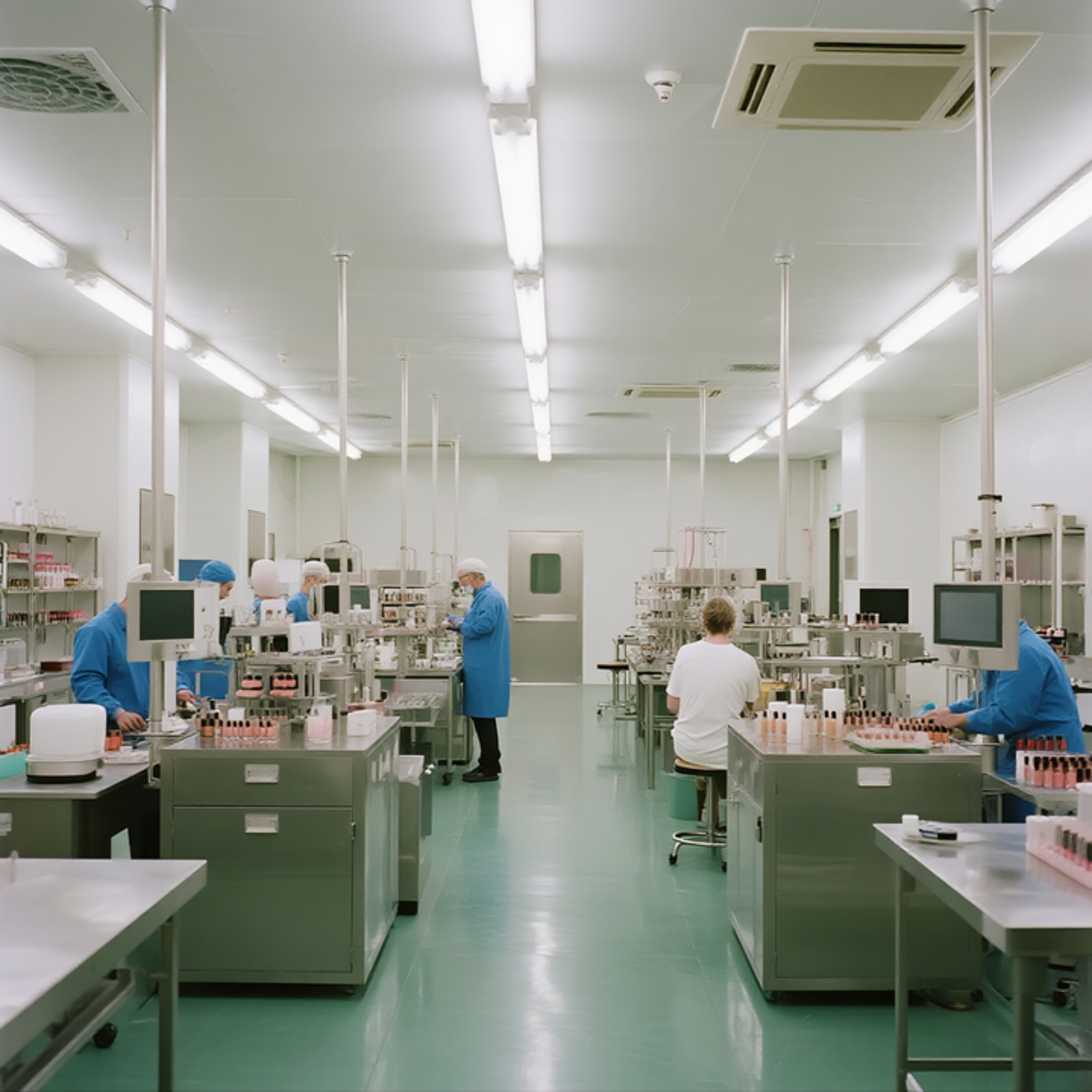
Equipped with fully automatic CNC production lines, the factory utilizes an advanced semi-molding process that organically unifies lens appearance and formability. This ensures that every green contact lens produced maintains structural integrity while offering the vibrant clarity required by global exporters.
Dewy Lenses caters to diverse market needs, offering premium yearly, half-yearly, and daily disposable lenses, ensuring that regardless of the business model—be it medical distribution or high-street fashion retail—the product exceeds expectations.
The manufacturing of premium green contact lenses is a multi-stage bio-engineering process. Below is the industrial workflow utilized by leading Chinese exporters to ensure safety and comfort.
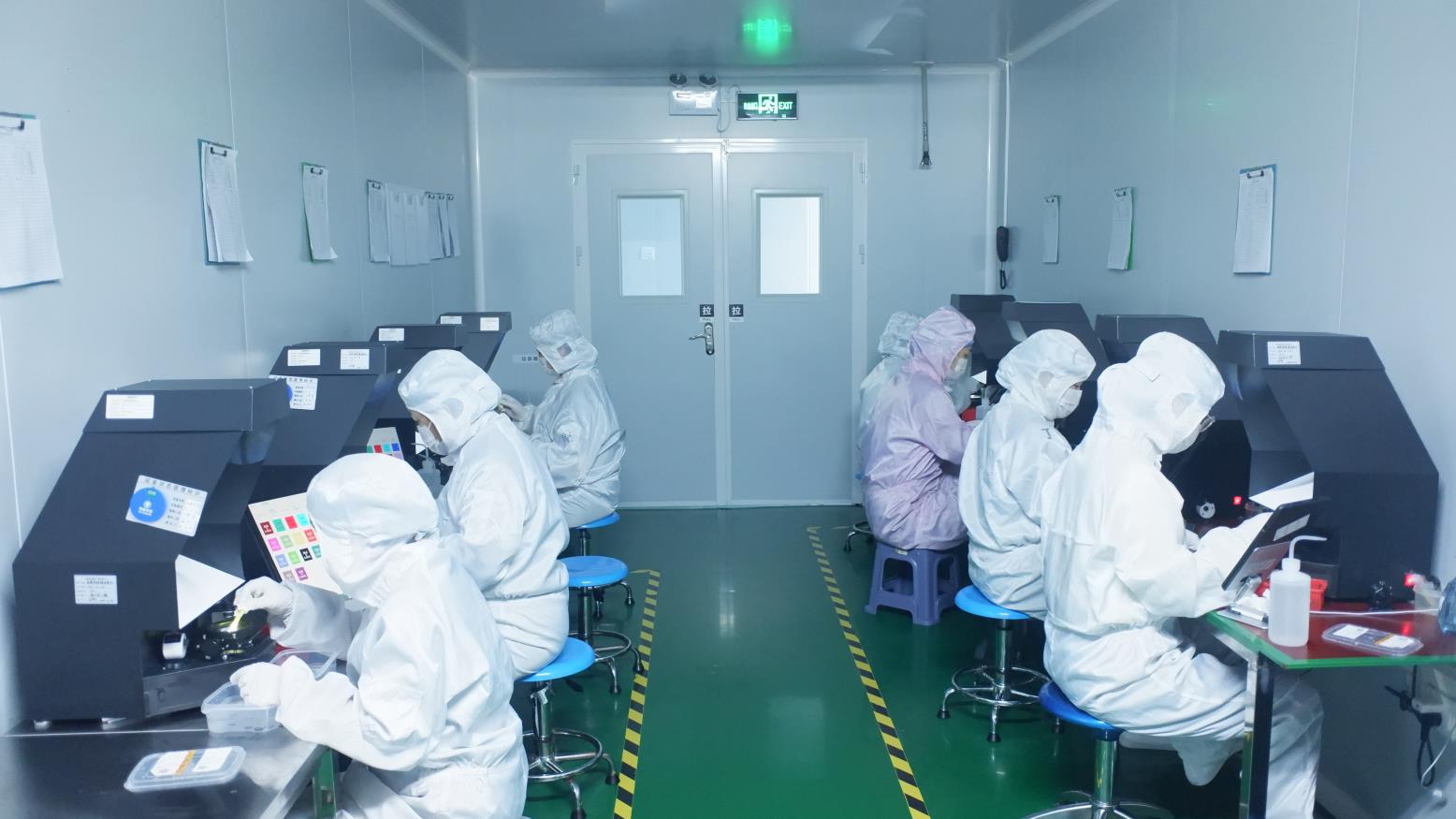
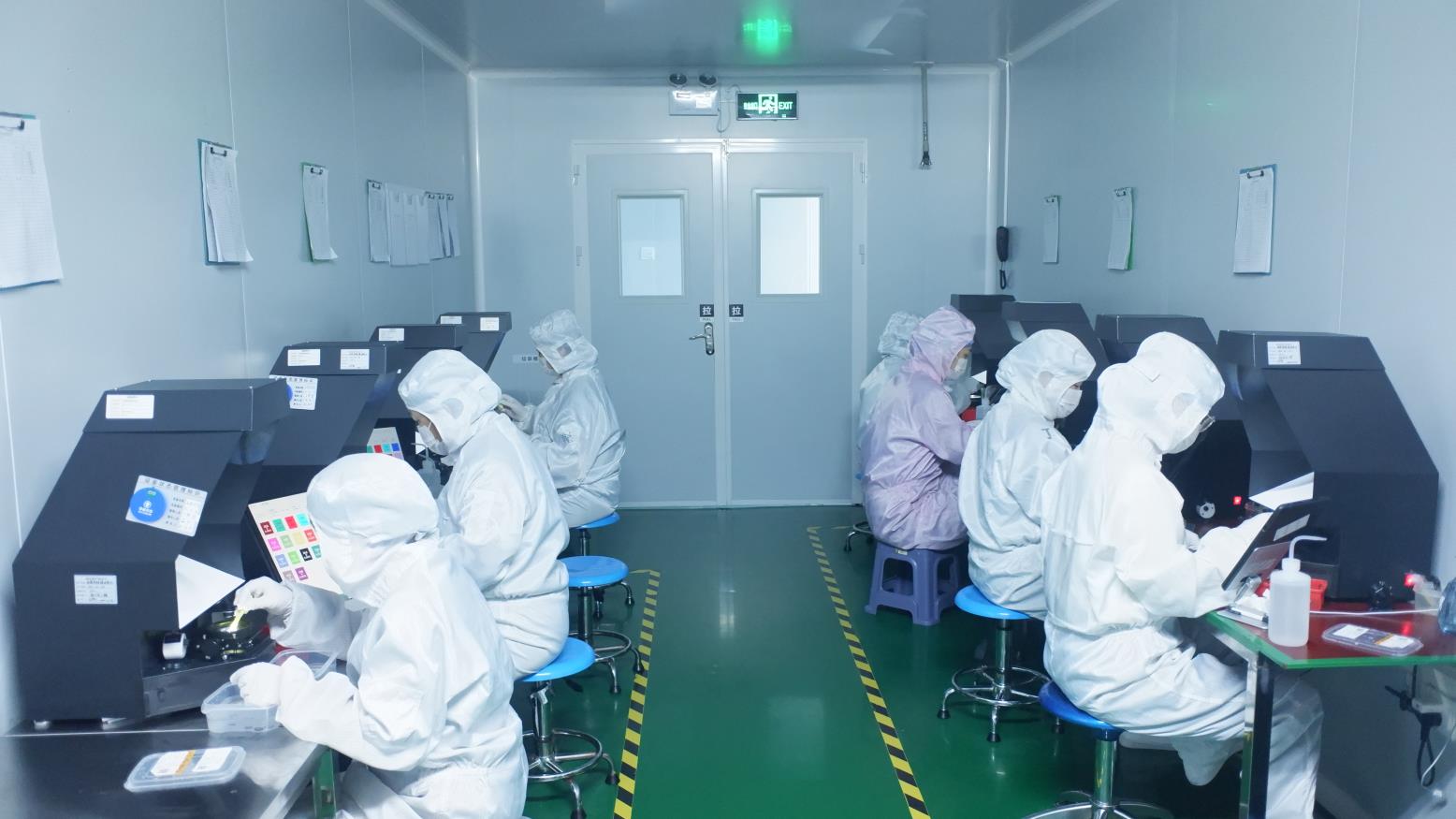
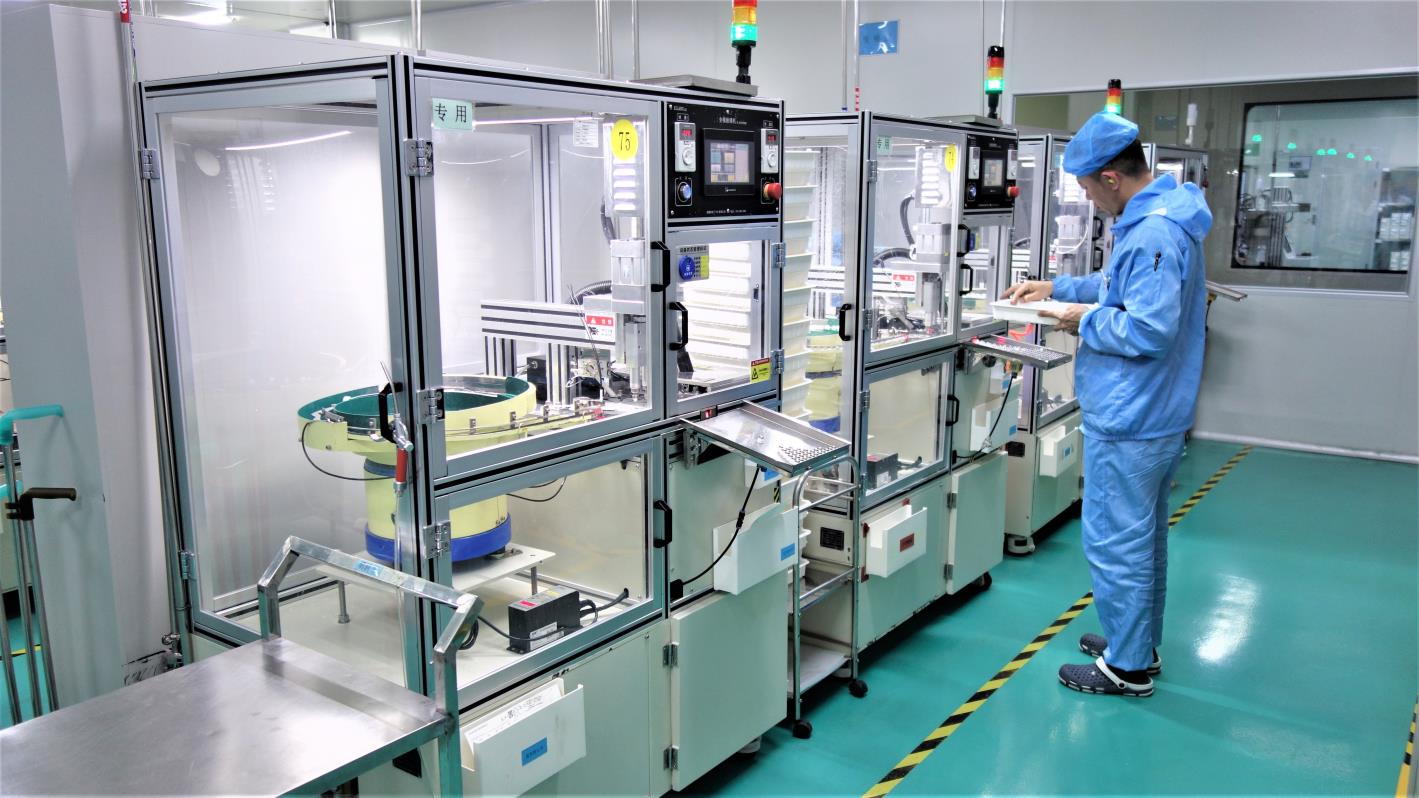
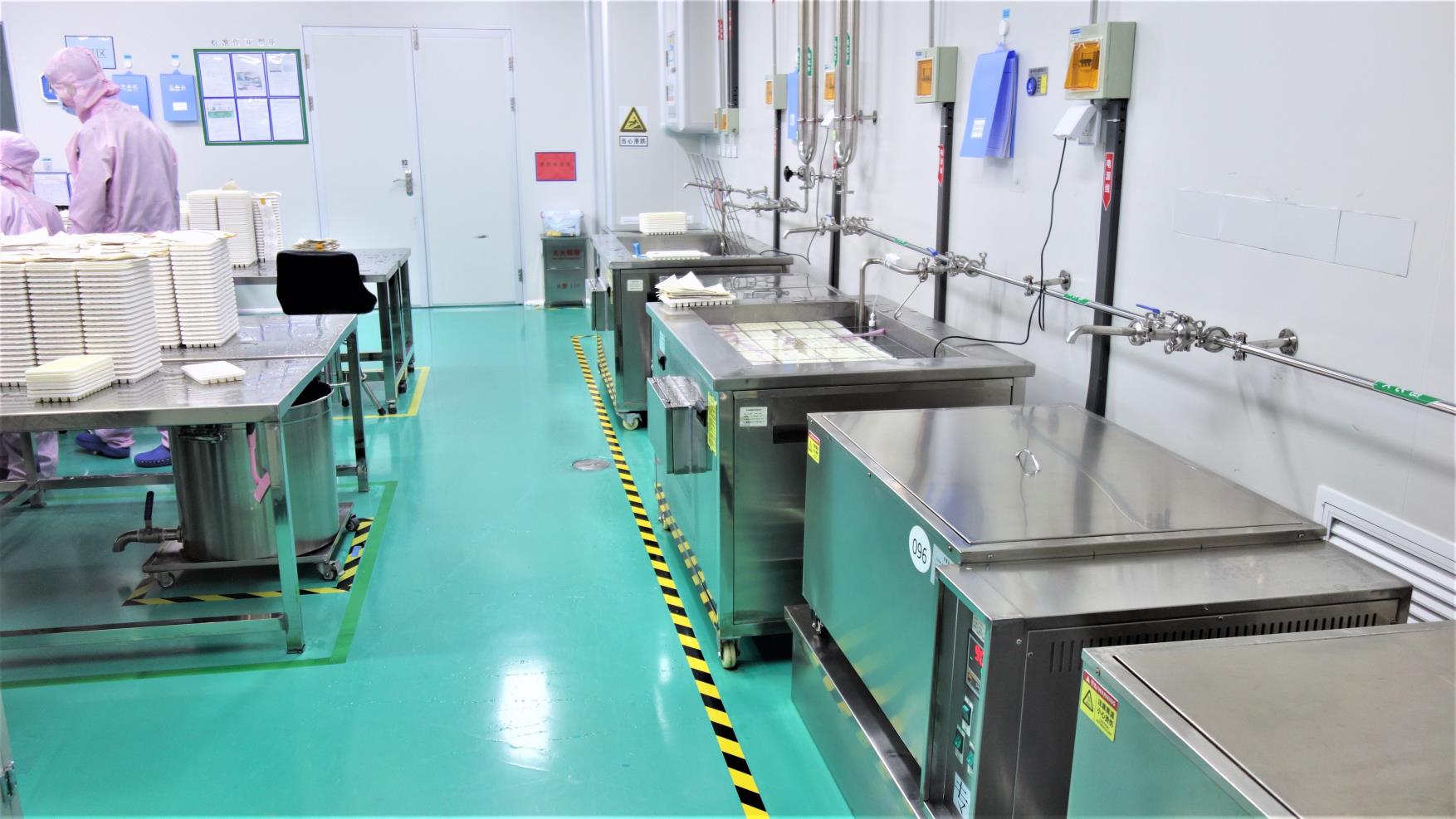
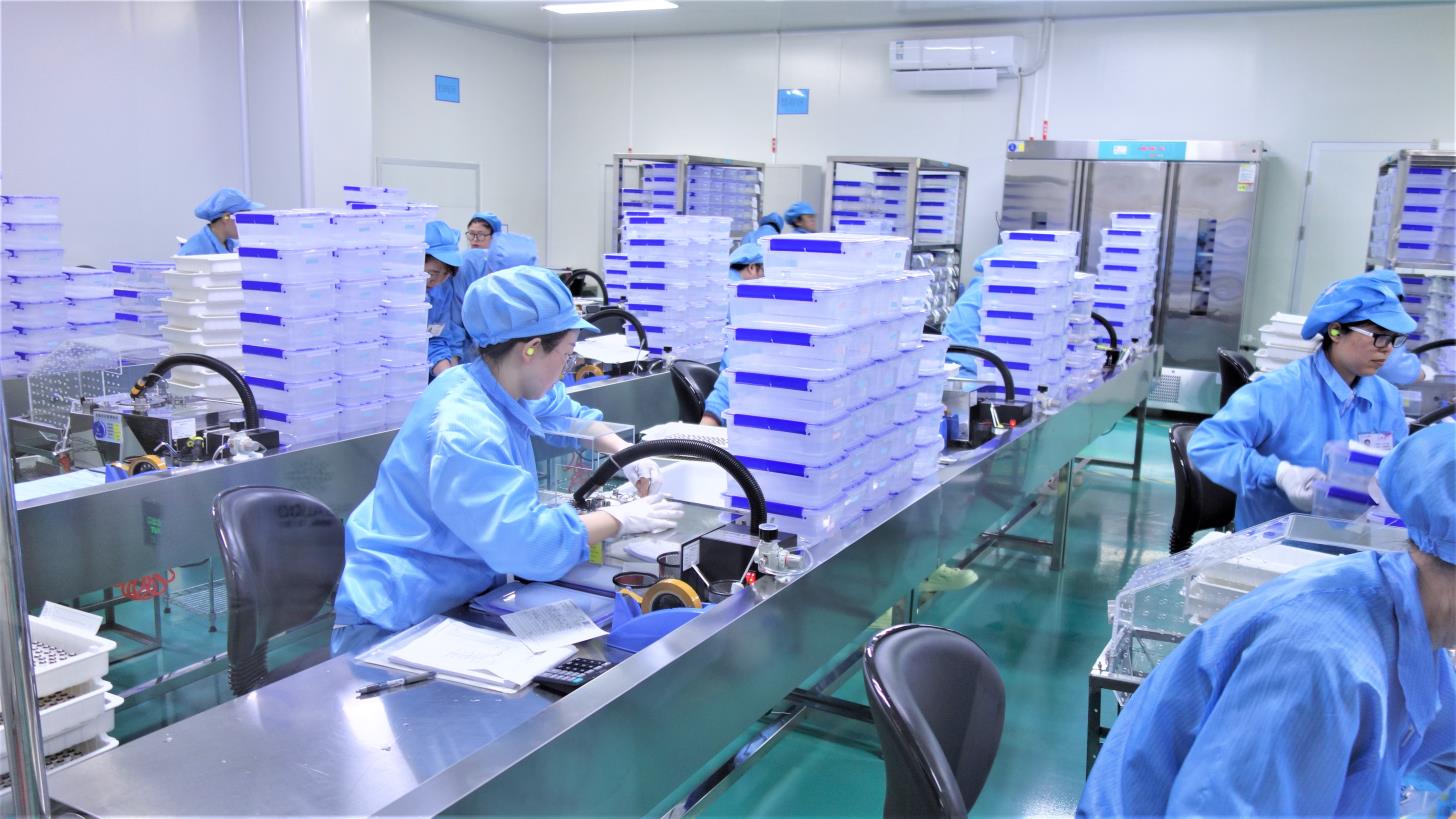
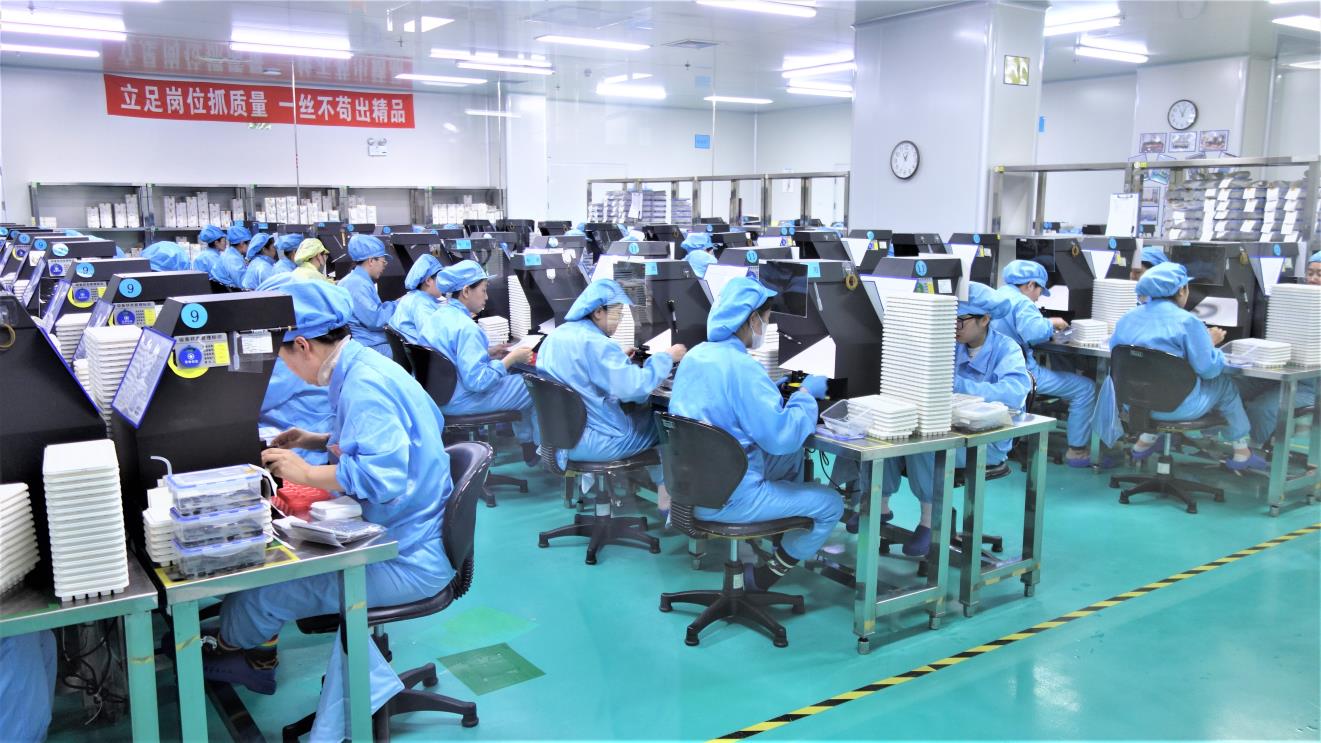
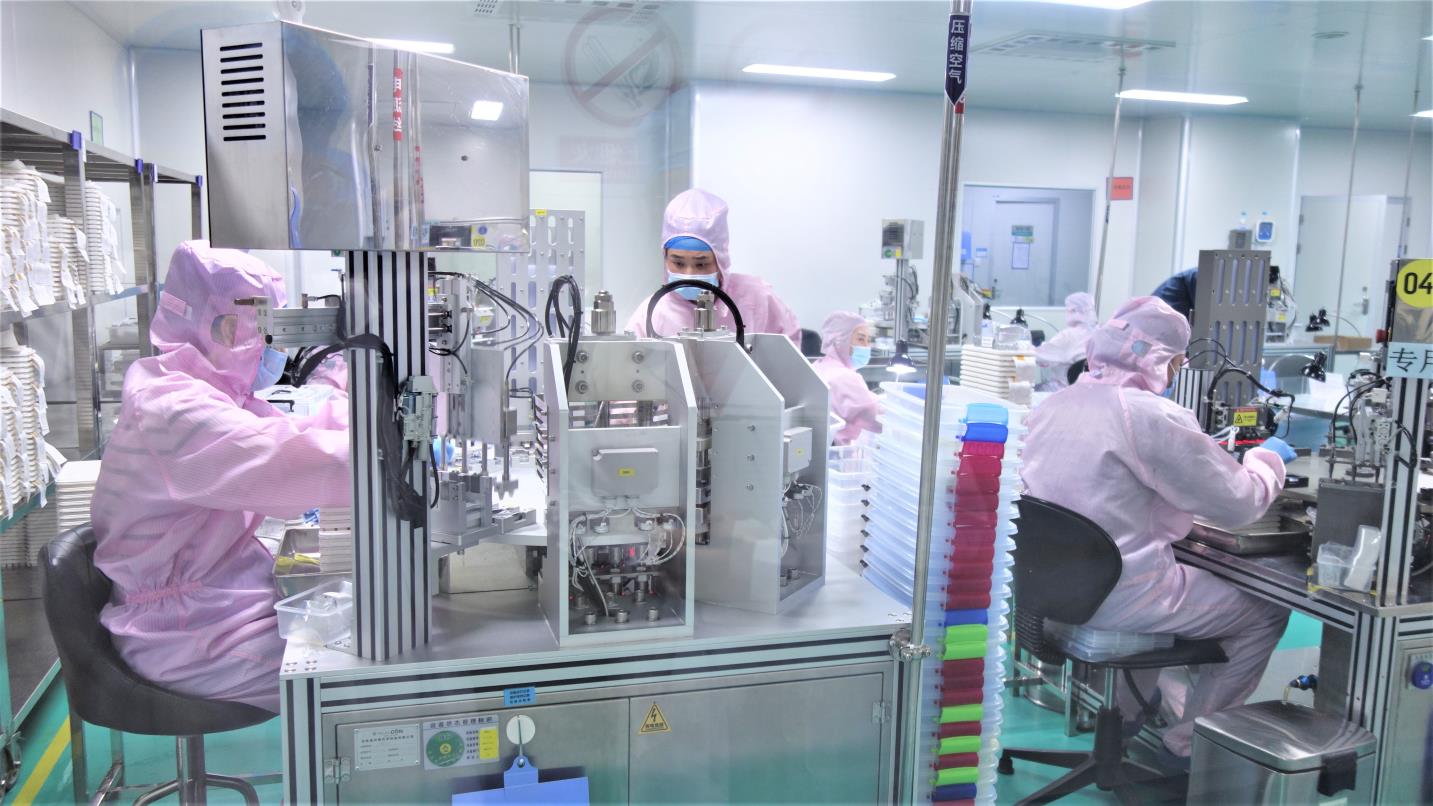
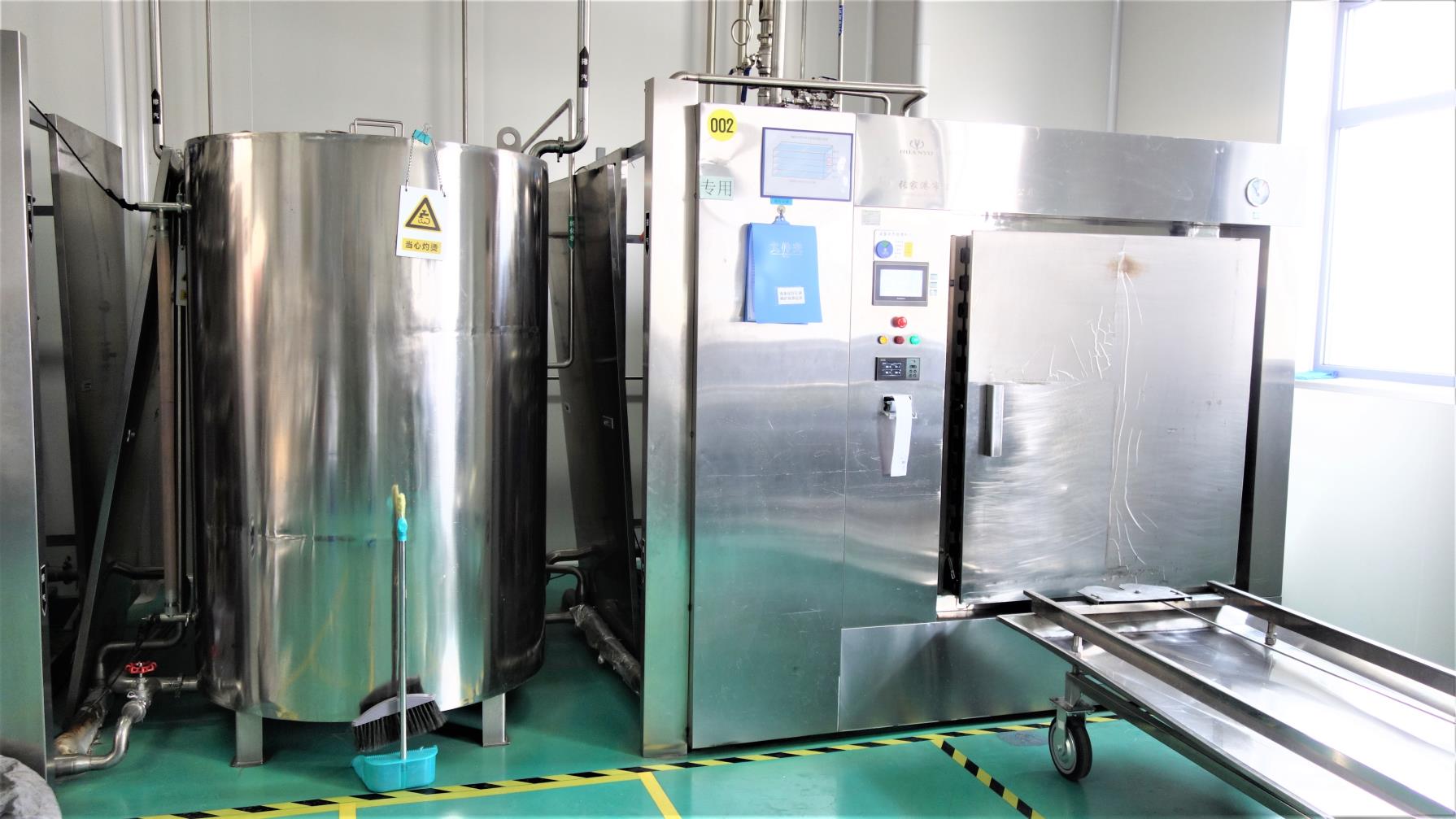
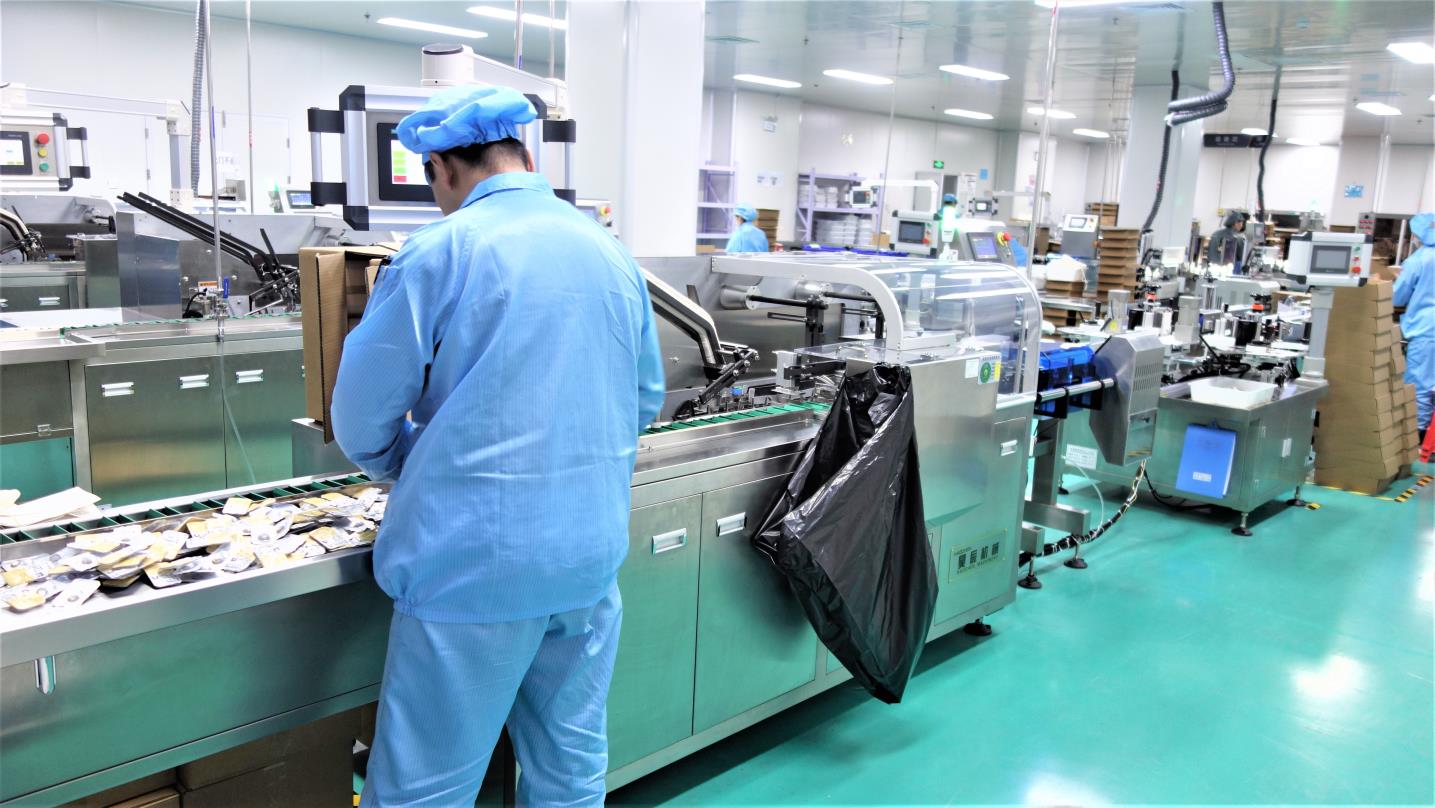
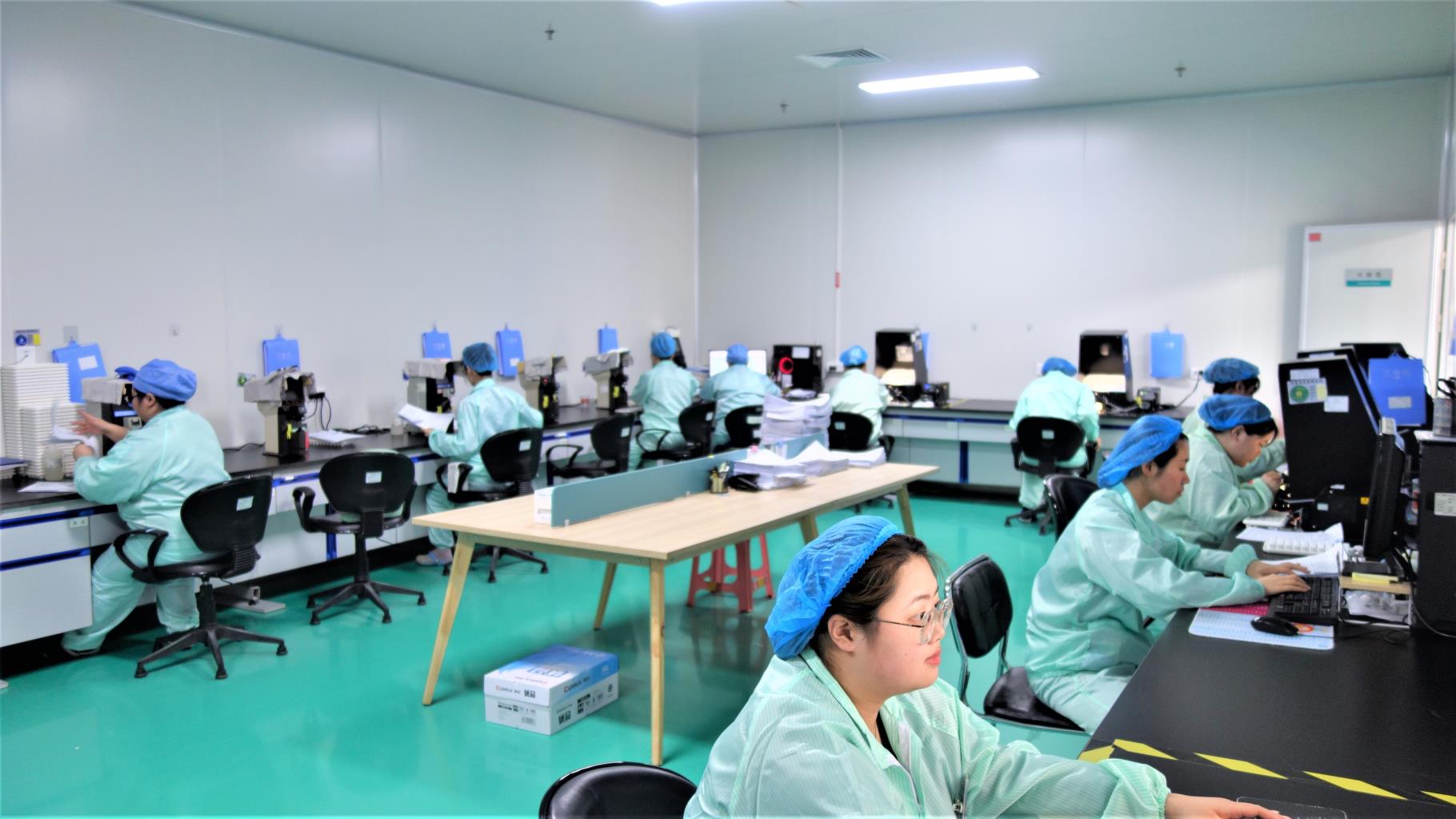
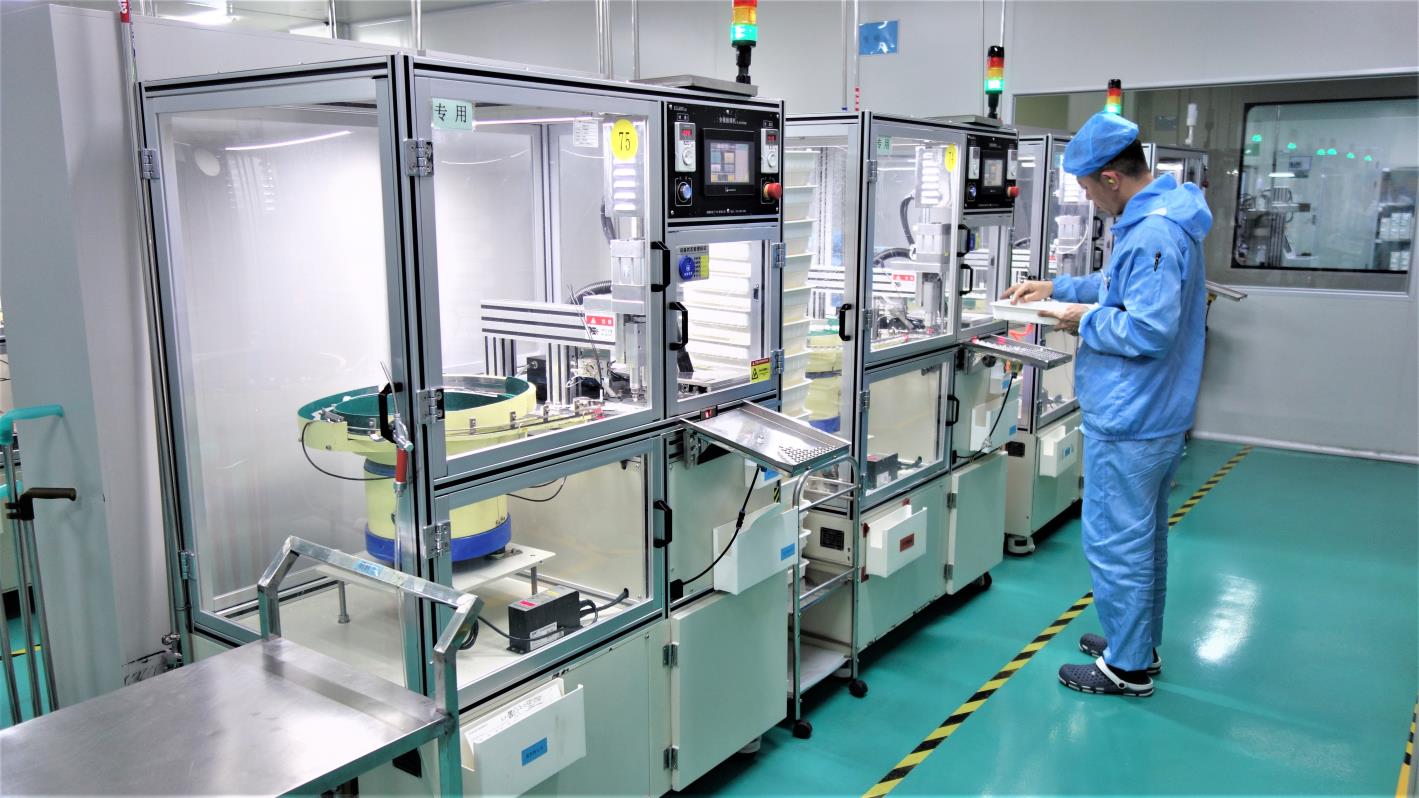
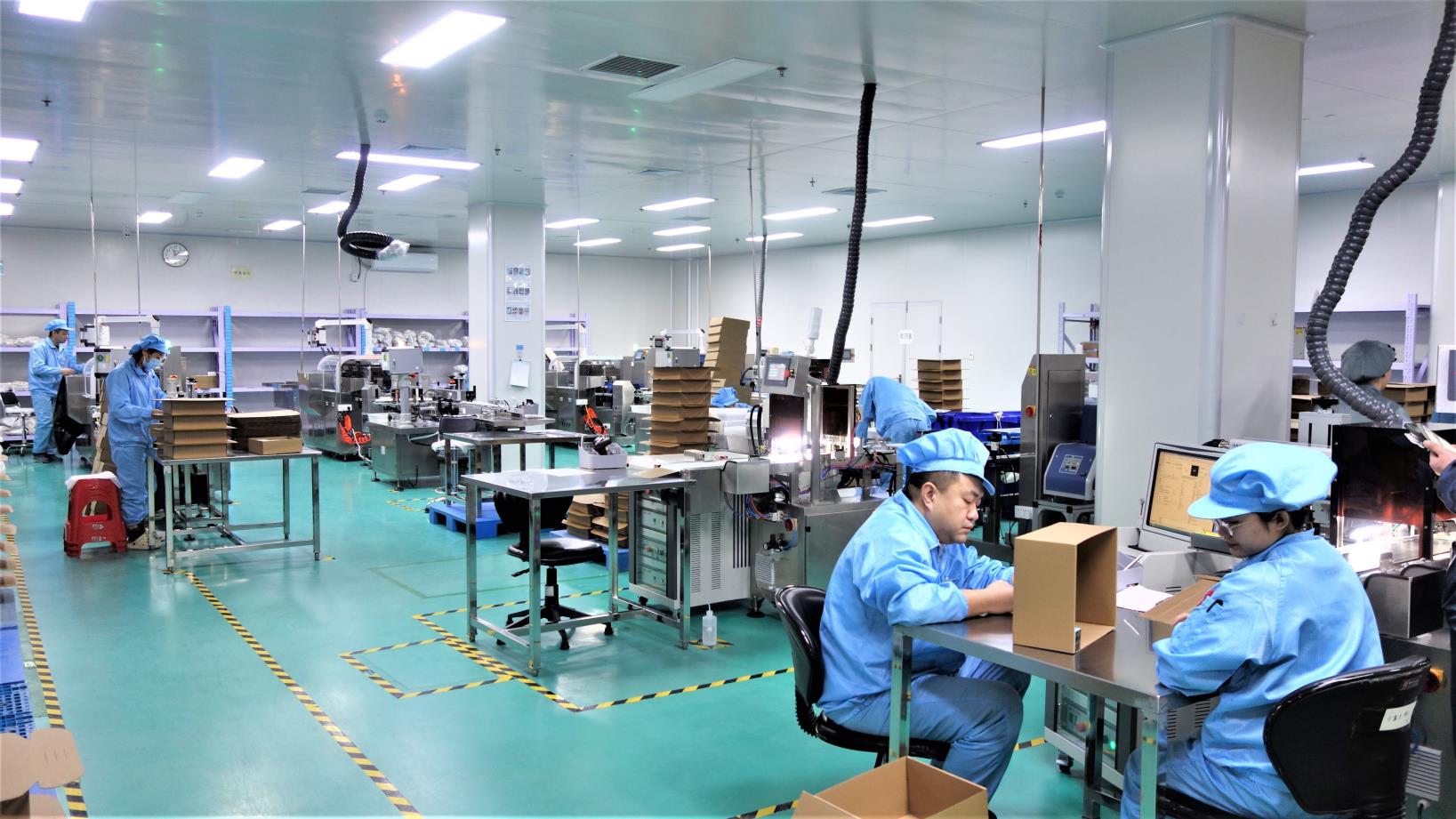
The integration of the Sterilization Cabinet and Film Suction Machine allows for a hands-free environment, minimizing contamination risks. For global exporters, this technological capability is the difference between a high-return rate product and a sustainable, market-leading brand.
Looking toward 2030, the "Green Contact Lens" category is expected to evolve through three major technological shifts:
Artificial Intelligence is now used to analyze thousands of natural iris patterns to create "fractal" green designs that are indistinguishable from real eyes, even at close range.
The industry is moving toward biodegradable packaging and reduced plastic waste in the molding process, meeting the ESG (Environmental, Social, and Governance) requirements of Western distributors.
While still in the R&D phase, the future may see green cosmetic lenses integrated with basic smart HUDs or light-filtering technology for enhanced digital eye protection.
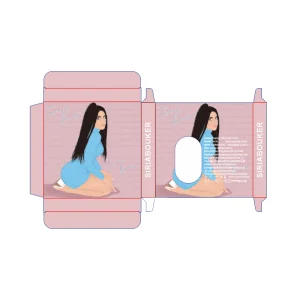
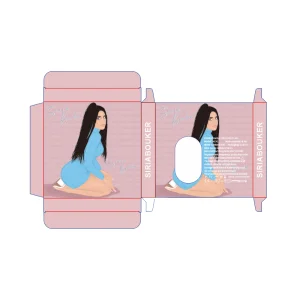
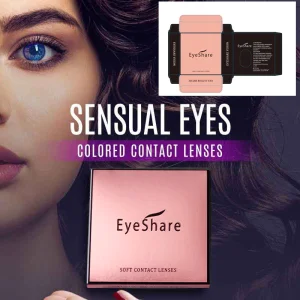
For large-scale importers, China's top factories are no longer just manufacturers; they are "Solution Providers." This includes providing Custom Logo Packaging Box solutions (as seen in our Eyeshare series) and handling end-to-end logistics with OQC (Outgoing Quality Control) protocols that align with the destination country's specific health standards.
 Dewylenses